Turkish New Year Traditions
New Year in Turkey is a fascinating blend of imported custom and local tradition, a holiday that manages to feel both familiar and distinctly Turkish.

New Year in Turkey is a fascinating blend of imported custom and local tradition, a holiday that manages to feel both familiar and distinctly Turkish.

High in the mountains above Ephesus, on a quiet ridge known as Bulbul Dagi, stands a small stone house that draws pilgrims from around the world.
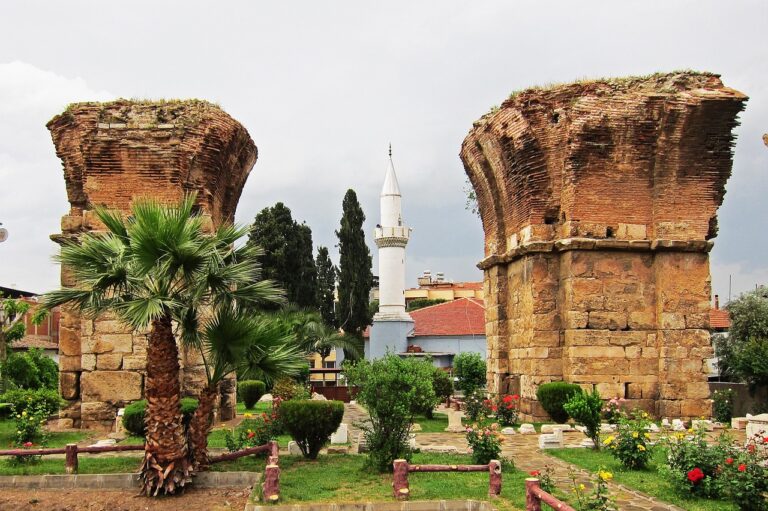
In the opening chapters of the New Testament book of Revelation, the author addresses seven letters to seven churches in the Roman province of Asia.

For Christians, Turkey is a land of foundations.

Turkey’s university system is young by European standards, but its best institutions have built serious international reputations.
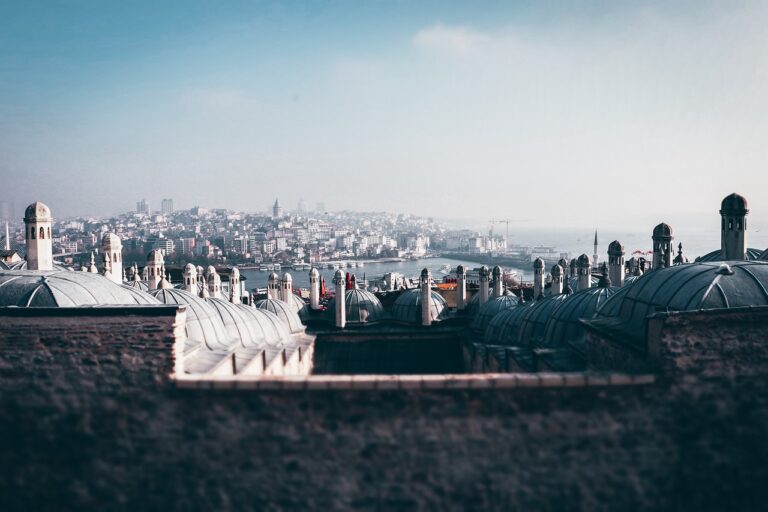
Istanbul is a city that eats on its feet. From the first simit of the morning to the late-night kokoreç, street vendors feed the city around the clock.

The Turkish bath, the hamam, is one of the great institutions of the Middle East, a tradition that stretches back two thousand years through the Roman world to the present day.

In the valleys of Cappadocia, where the soft volcanic rock was carved into houses, cities, and fairy chimneys, the most extraordinary creations are the churches.

Turkey holds more ancient cities than any country in the world, and the famous ones, Ephesus, Pergamon, Troy, are only the beginning.

Turkey is so rich in famous sights that its hidden corners are easy to miss, but the traveler who ventures off the main route is rewarded with the country at its most authentic.

Slow travel is about staying long enough to belong, and Turkey’s villages are made for it.

Turkey’s great cities draw the crowds, but its small towns hold the soul of the country.
We use cookies
Necessary cookies keep this site working. With your permission we also use cookies for analytics and advertising, which is how the site is funded. You can change your mind at any time. Cookie policy · Privacy policy