Patara is the kind of place that first-time visitors to Turkey rarely plan, yet it stays with them. Tucked into the Mediterranean coast between Kas and Kalkan, it pairs the vast ruins of one of the most important cities of the ancient Lycian League with a sandy beach among the finest in the country. Add Saint Nicholas, who was born here, and the loggerhead turtles that nest on the shore, and you have a destination that rewards every traveler. This guide shows you how to build a first visit you will not forget.
Why Patara Belongs on Your First Visit
Patara is not a typical Mediterranean beach town, and that is exactly its appeal. Instead of hotels stacked along the sand, you find an archaeological site spread beside the sea, with ruins running down to the water’s edge. The beach is one of the longest in Turkey, a wide ribbon of pale sand backed by tall dunes, protected as a nesting ground for loggerhead sea turtles.
For a first-time visitor, the mix is the magic. In a single day you can walk through a Roman-era gate, stand inside a theatre that once held thousands, and swim a short distance away. The site is big but walkable, the atmosphere relaxed rather than touristic, and crowds are rarely a problem here.
Patara was a leading city of the Lycian League, whose assembly met here, and it is traditionally identified as the birthplace of Saint Nicholas. Knowing that makes the ruins feel personal rather than simply old.
Getting to Patara
Patara sits on the southern coast of Turkey, in the province of Antalya, between the towns of Kas to the west and Kalkan to the east. The nearest settlement is the village of Gelemis, just inland from the ruins and the beach, and most visitors base themselves there or in a neighboring coastal town.
The closest airports are at Dalaman and Antalya, both roughly two to three hours away by road. The practical options are a hire car, a private transfer, or public buses connecting the coastal towns. A car gives you the most freedom.
If you are traveling along the coast by bus, you can reach Kas or Kalkan and then take a local dolmus, the shared minibus that runs between the villages. The road to Gelemis winds inland, and the journey is short. Allow at least half a day for the site, and start early.

The Ancient City: Where to Begin
The ruins of Patara spread over a wide, flat area between the village and the sea. Most visitors enter at the modern ticket gate and follow the ancient main street toward the coast. The ground is sandy and open, so comfortable shoes and plenty of water are essential.
The ancient city was one of the great ports of Lycia. Its harbor, now silted into marshes and dunes, made it a gateway for trade. The New Testament records that the Apostle Paul changed ships here.
The main path takes you past the monumental gate, the baths, the parliament building, and the theatre, with the necropolis off to one side among the dunes. The beach is at the far end, so many visitors tour the ruins first and finish with a swim.
The Monumental Gate and the Main Street
The triumphal gate is the first great monument you meet, and it is the proper introduction to Patara’s ambition. Built in the first century AD and dedicated to the emperor Trajan, it once marked the boundary between the port and the civic center. Three arches survive, and the carving is still remarkably crisp.
Beyond the gate, the ancient main street stretches inland, lined with the foundations of shops, colonnades, and public buildings. This was the city’s commercial spine, where merchants sold goods unloaded from ships. Today you walk it as a gravel path, and with a little imagination you can picture the traders who once crowded it.
Nearby stand the remains of the baths, a granary built in the reign of the emperor Hadrian, and the foundations of several temples.
The Theatre of Patara
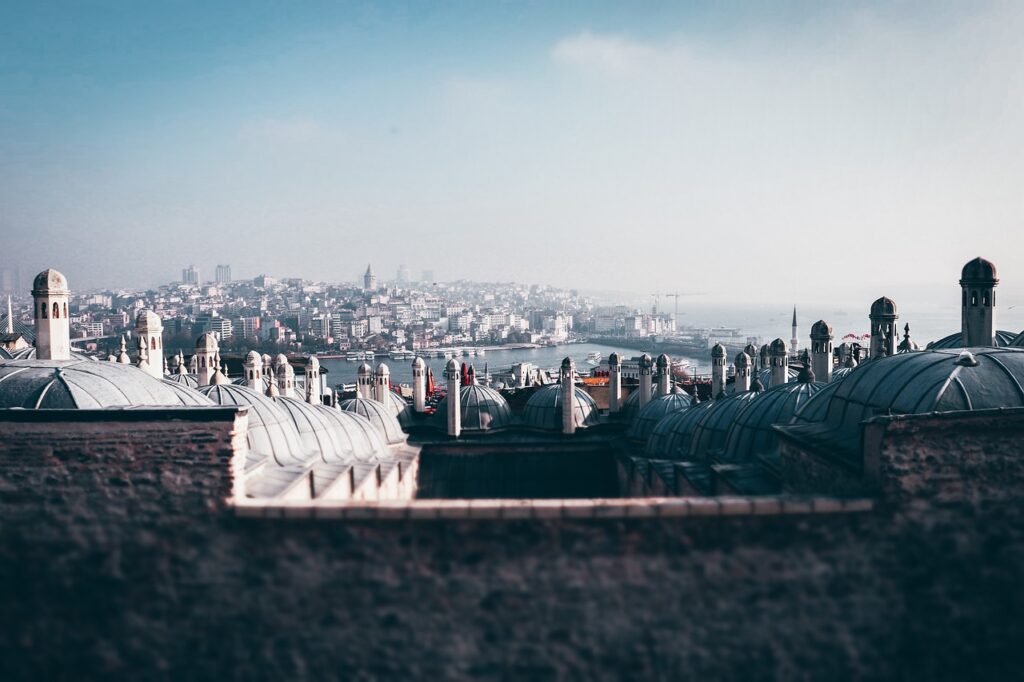
The theatre is the most complete building at Patara and one of the best preserved ancient theatres in the region. Built into a gentle slope on the edge of the city, it faces the sea, so the upper rows enjoy a view no other ancient theatre can match.
The theatre was built in the Roman period and could hold several thousand spectators, hosting plays and public gatherings. The stage building, partly restored, still shows the niches and columns that once supported painted scenery.
In recent years the theatre has been brought back to life for special performances, and sitting in the ancient seats as the sun goes down is one of Patara’s most memorable experiences. Stand at the center of the stage and speak, and the acoustics carry your voice into the highest rows.
The Parliament Building of the Lycian League
Perhaps the most remarkable building at Patara is the parliament building, where the assembly of the Lycian League met. Patara was one of the league’s most powerful members, sometimes hosting the meetings where delegates from across Lycia gathered to vote on common affairs. It is one of the oldest surviving structures of its kind in the world.
The interior is a semicircular hall with stepped rows of seats arranged around a raised platform, much like a modern parliament. Delegates from the cities of Lycia sat here in tiers, and the design allowed every voice to be heard.
Historians argue that the Lycian League’s system of representation influenced the framers of modern constitutions. Standing in the hall, you are in one of the cradles of democratic assembly.

The Necropolis and the Tombs
Beyond the main monuments, the ground rises into a landscape of sand and low scrub where Patara’s dead were laid to rest. The necropolis is scattered with tombs of several kinds: house-shaped sarcophagi, rock-cut chambers, and column monuments decorated with inscriptions and reliefs.
The Lycians were famous for their elaborate funerary art, and the tombs at Patara show the full range of their craft. Many sarcophagi have carved lids shaped like rounded roofs, and the inscriptions, mostly in Greek, record names, professions, and sometimes touching farewells.
The necropolis is quieter than the main route, and the tombs are easy to miss if you hurry. Walking among them is oddly peaceful. The sand has drifted around the stone, and the only sounds are the wind and the distant sea.
The Beach and the Sand Dunes
If the ruins are the reason to come, the beach is the reason to stay. Patara’s beach runs for many kilometers in a gentle curve and is consistently ranked among the most beautiful beaches in Turkey. The sand is pale and fine, the water clear and shallow, and the backdrop of dunes and pine woods keeps the shore feeling wild.
Because the beach is a protected nesting ground for loggerhead sea turtles, development is strictly limited. There are no rows of beach clubs, and the atmosphere is natural and quiet. During the nesting season the beach closes at night so the turtles can come ashore.
Behind the beach, the sand rises into dramatic dunes several stories high. They are at their best in the late afternoon, when the light turns them golden. Many visitors come simply to watch the sunset from the highest dune.
The Loggerhead Turtles
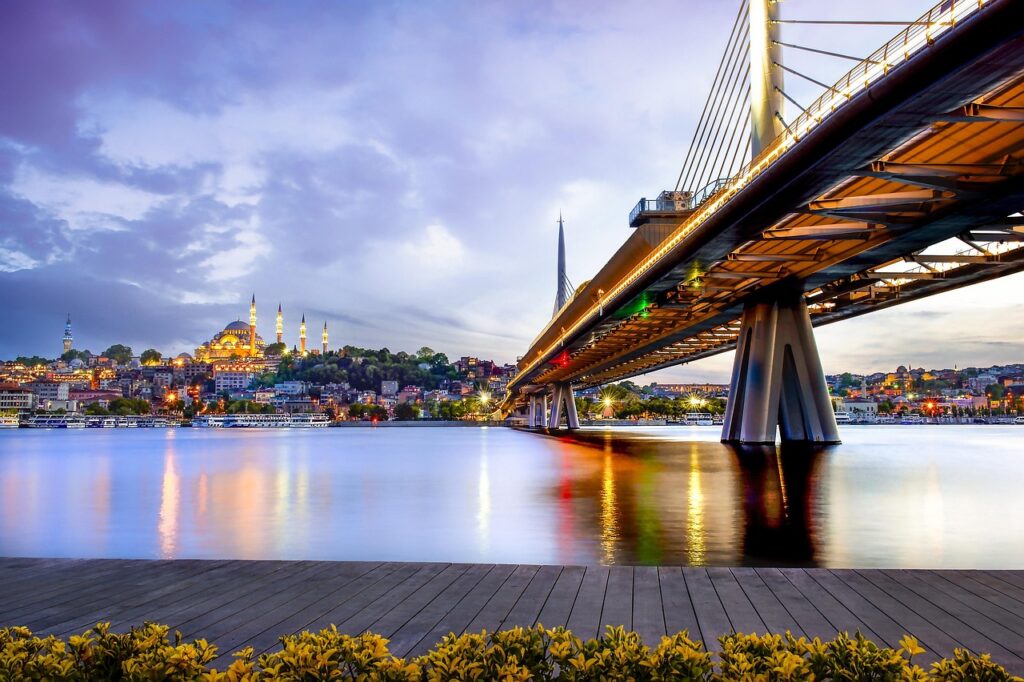
Patara’s beach is one of the most important nesting sites in the Mediterranean for the loggerhead sea turtle, known locally as caretta caretta. Every year, between late spring and early autumn, female turtles haul themselves up the sand at night to dig nests and lay their eggs. The hatchlings emerge about two months later and make their dash to the sea.
Because the turtles are protected by law, the beach is managed carefully. The entrance closes at night during the nesting season, and the nests are marked and monitored by conservation workers. Visitors are asked to keep off the dunes at night and remove their rubbish.
At the southern end of the shore, the stream that drains the Patara valley meets the sea in a lagoon where herons and other water birds gather, the remnant of the ancient harbor. Even if you do not see the turtles themselves, knowing they nest here changes the way you experience the beach. This is a nursery for a species that has swum these waters for millions of years.
The Birthplace of Saint Nicholas
Patara holds a special place in the Christian world as the traditional birthplace of Saint Nicholas, the fourth-century bishop of Myra who became the inspiration for Santa Claus. A basilica dedicated to him was built over his family home, and its foundations can still be seen among the ruins.
The basilica is a short walk from the main route, and it is one of the most evocative spots at Patara. Built in the Byzantine period, it preserves a mosaic floor and column bases. For many visitors, the link between this quiet corner and the global figure of Santa Claus is the most moving part of the day.
Nicholas went on to become bishop of Myra, and his legend grew after his death: gifts to the poor, kindness to children, and eventually the Christmas saint. The story began here, on this sandy coast.
Frequently asked questions
How long do I need to see Patara?
A full day is ideal. Half a day is enough to see the main ruins and reach the beach, but the site is large and you will want time for the theatre, the parliament building, the necropolis, and a swim. Arriving early lets you cover everything without rushing.
When is the best time to visit Patara?
Spring and autumn are the most comfortable seasons, with warm weather and smaller crowds. Summer is hot but fine for the beach, though the sun is intense and the sand burns by midday. Winter is quiet and mild, and the ruins take on a special atmosphere with fewer people.
Can you swim at Patara Beach?
Yes, and it is one of the great pleasures of the visit. The water is clear and shallow near the shore, and the beach is long and uncrowded. Swimming is not allowed after sunset during the turtle nesting season, when the beach closes to protect the loggerhead turtles that lay their eggs here.

All Over Information
The All Over Information editorial team researches and writes practical English-language guides to Turkey. Facts are checked against official and local sources before publication, prices are published as dated ranges rather than quotes, and guides are revised when things change. We accept no sponsored posts, paid placements or paid links.
More guides like this
48 Hours in Patara: The Perfect Itinerary
Two days is exactly the right amount of time for Patara, and here is the good news: you will not be rushed.

Patara on a Budget: Money-Saving Travel Tips
Patara is one of the easiest places in Turkey to visit on a budget, because its greatest attractions are exactly the ones…

Best Local Restaurants in Patara
Patara does not have a famous restaurant district, and that is part of its charm.

Hidden Gems of Patara Most Tourists Miss
Patara is famous for its beach and its ruins, but the visitors who only follow the main path miss half the site.

Patara in Winter: What to Expect
Patara is a summer destination in most people's minds, but the winter months reveal a completely different place, and many travelers find…

Where to Stay in Patara: Neighborhood Guide
Choosing where to stay in Patara is really a choice about style.