Antalya is the capital of the Turkish Riviera, and its transport is the transport of a tourist capital — the airport, the tram, the buses, and the minibuses all work together to carry the coast’s millions of visitors. For the traveler, the transport is the key to the coast: the journey from the airport, the AntalyaKart for the city, and the connections to the region. This guide covers the airport, the transfers, and the transport options, with the practical numbers you need to move through the capital without drama.
The Airport: The Gateway
The capital’s gateway is Antalya Airport (AYT), about 15 kilometers from the center. The airport is one of the busiest in Turkey, with flights from Istanbul and the major cities, and a huge international service — in the summer, it is the gateway of the Riviera’s millions.
The alternative — flying into the other airports and traveling on — is rarely worth it for the capital; Antalya Airport is the direct route, and the flight to it is the way most visitors arrive.
From the Airport Into the City
The journey from the airport into the city is straightforward:
The tram. The tram line from the airport connects to the city’s network — the journey into the center takes about 20 to 30 minutes, and it is the cheapest and often the fastest way.
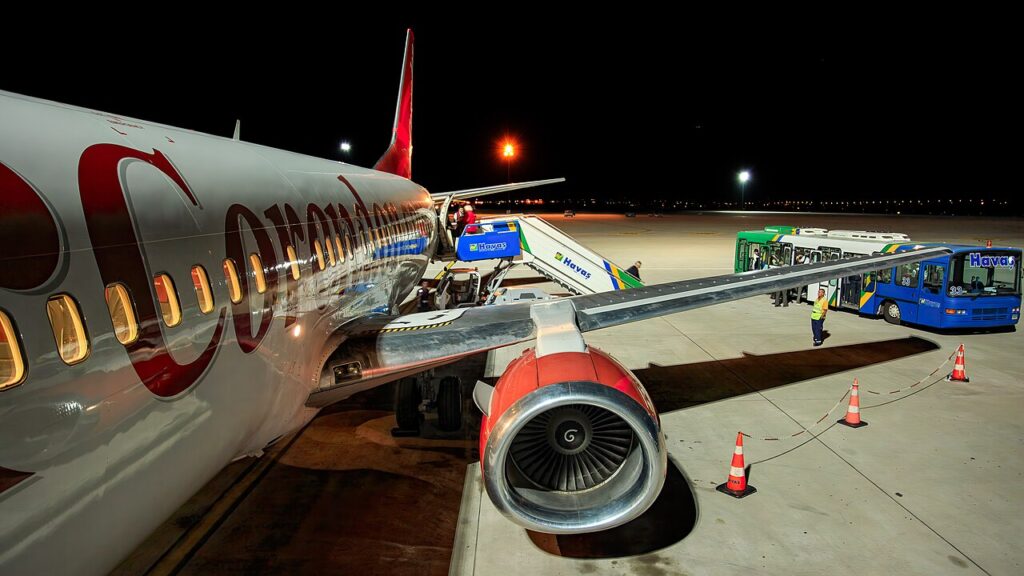
The Havaş shuttles. The airport shuttles run to the main districts and the resorts at reasonable prices.
The buses. The municipal buses connect the airport to the city.
The taxis. The taxis are the door-to-door option, with the distance and the traffic making them the expensive choice.
The practical tip: the tram is the smart choice — cheap, fast, and reliable, and the ticket is bought at the station.
Getting Around the City
The capital’s transport is the key to it:
- The AntalyaKart. The transit card for the tram and the buses — the first purchase, and the cheapest way to move.
- The tram. The tram lines connect the airport, the center, the old city, and the beaches.
- The buses and the minibuses. The bus network and the minibuses cover the city and the region.
- The taxis. The taxis are the door-to-door option, but the public transport is usually faster and cheaper.
Getting to the Region
The capital is the gateway to the region, and the transport from it extends across the coast:
- The buses and the minibuses. The local buses connect the capital to the region — the ancient cities and the coast.
- The car. A car unlocks the region — Perge, Aspendos, Side, and the Turquoise Coast.
- The tours. The organized tours from the capital cover the main sites.

The Practical Numbers
- Antalya Airport to the center: about 15 km, 20–30 minutes by tram.
- The tram across the city: the lines connect the airport, the old city, and the beaches.
- Antalya to Perge: about 30 minutes by car.
- The AntalyaKart: the first purchase, and the key to the capital.
Transport Planning That Saves Time and Money
- Take the tram. The tram from the airport is the smart choice — cheap, fast, and reliable.
- Buy an AntalyaKart early. The transit card is the key to the capital’s transport, and the first purchase of the trip.
- Use the public transport. The tram and the buses are cheap and cover the city — the walking between the sights is the way to see it.
- Mind the season. The summer is the peak — the airport and the transport are at their busiest, and the planning ahead matters.
- Plan the region. The buses and the car extend the journey from the capital across the coast.
The Journey Into the City
The journey from the airport into the capital deserves its own note, because it is the introduction to Antalya. The tram from the airport carries the traveler through the city’s eastern districts before emerging into the center — the coast, the old city, and the life of the capital. The first view of the city from the transport — the Mediterranean opening out, and the capital along the sea — is the beginning of the experience, and the journey is part of it. Arrive informed, take the tram, and let the transport introduce you to the coast — the journey into Antalya is the first of its sights.
The Seasonality of the Transport
The transport of the capital changes with the season, and planning accordingly saves trouble. In the summer — the peak of the coast — the airport and the transport are at their busiest, with the millions of visitors of the Riviera, and the planning ahead matters more than anywhere. In the spring and the autumn, the coast is at its most comfortable, and the transport is easier. And in the winter, the capital is mild and quiet — the connections are easy, and the traveler who accepts the rain finds the value. Whenever you come, the transport is the constant: the tram, the AntalyaKart, and the buses are the way through the coast, in every season.

The Tram in Detail
The tram deserves its own note, because it is the transport of the capital. The tram lines connect the airport, the center, the old city, and the beaches — the visitor’s lines of the coast, with the stops at the city’s heart and the views of the sea. For the visitor, the tram is the practical way to move: the airport to the center, the center to the old city and the beaches, and the connections across the capital. The transport of the capital is the working city’s own, and the visitor who uses it moves as the city moves — the tram is the easiest way to see the coast’s capital.
The Minibuses and the Region
The minibuses deserve their own note, because they are the transport of the region. The dolmuş and the minibuses connect the capital to the coast — the ancient cities, the resorts, and the Turquoise Coast — at the honest prices of the region. For the visitor, the minibuses are the budget way to the region: Perge, Aspendos, and the coast, reachable by the local transport. The minibuses are the way the coast moves, and the visitor who rides them travels as the region travels — the local transport of the Riviera, and the way to the ancient world.
Walking the Capital
The final note on the transport is the walking. The capital’s heart — the old city, the harbor, and the beaches — is walkable, and the walking between the sights is the way to see the city: the lanes of Kaleiçi, the harbor’s edge, and the promenades along the sea are best on foot, at the pace of the traveler. The tram and the buses cover the spread, and the walking gives the city. For the visitor, the balance is the key: the transport for the distances, and the feet for the city — the walking is the way to feel the coast, and the transport is the way to reach it.
The Transport and the Coast
The final layer of the transport is the coast. The capital is the gateway to the Turquoise Coast, and the transport from it extends across the region — the minibuses and the car to the ancient cities and the beaches, and the roads along the sea. The traveler who uses the transport of the capital reaches the wonders at its doorstep: the ancient world of the region, and the beauty of the Mediterranean. The transport of the capital is the gateway to the coast, and the journeys from it are part of the Riviera’s wonders.
The Takeaway
The transport of the capital is the key to it: the tram from the airport, the AntalyaKart for the city, and the connections to the region. Take the tram, buy the card, and let the transport carry you through the capital of the coast. The transport is not the obstacle but the introduction — and the journeys through the city, on the tram and the minibuses, are part of its life.
Frequently asked questions
How do I get from the airport into the city?
By tram (about 20–30 minutes), by the Havaş shuttles, by bus, or by taxi. The tram is the smart choice.
Is the AntalyaKart worth it?
Yes — it is the transit card for the tram and the buses, and the cheapest way to move around.
How far is the airport from the center?
About 15 kilometers, 20–30 minutes by tram.
What is the best way to get to the region?
The buses, the car, and the tours connect the capital to the region — the ancient cities and the coast.
Are the taxis expensive from the airport?
The distance and the traffic make them the expensive option — the tram is the smart choice.
Is the capital walkable?
The old city and the beaches are walkable, and the tram covers the spread.

All Over Information
The All Over Information editorial team researches and writes practical English-language guides to Turkey. Facts are checked against official and local sources before publication, prices are published as dated ranges rather than quotes, and guides are revised when things change. We accept no sponsored posts, paid placements or paid links.
More guides like this

Photography Spots in Antalya You Can’t Miss
Antalya is the capital of the Turkish Riviera, and it is a city of beautiful photographs — the old city and the…

A First-Timer’s Guide to Antalya
Antalya is the capital of the Turkish Riviera — the great city of the Mediterranean coast, where the beaches and the resorts…

Best Time of Year to Visit Antalya
Antalya is the capital of the Turkish Riviera, and the season you choose changes the character of the visit — and even…

History and Culture of Antalya
Antalya is the capital of the Turkish Riviera, and its history reaches deep into the ancient world — the city was founded…
How to Get to Antalya from Istanbul
Getting from Istanbul to Antalya is one of the easiest journeys in Turkey — the capital of the coast is one of…

Top 10 Things to Do in Antalya
Antalya is the capital of the Turkish Riviera, and its list of things to do is built around the old city, the…