Kilis is a border city with a long memory. Standing where Anatolia meets the Arab world, it has been a crossing point for traders, armies, and ideas for thousands of years, and every layer of that history is still visible in its stones, its streets, and its table. The archaeological mounds of the surrounding plain reach back to the earliest settled life, the old town preserves the architecture of the Ottoman frontier, and the living culture carries the accents and flavors of both sides of the border. This guide explores the history and culture of Kilis, from the ancient tells to the rituals of daily life today.
The Ancient Landscape of the Plain
The history of Kilis begins long before the city had a name. The plain around the modern town is dotted with mounds, the accumulated ruins of settlements that rose, fell, and were rebuilt over millennia, and the largest of them, Oylum Hoyuk, was inhabited for thousands of years.
Excavations at Oylum have uncovered layers from the early Bronze Age onward, with evidence of trade and contact reaching far beyond the region. The mound was a center of a rich agricultural frontier, watered by the rivers that cross the plain toward the Euphrates.
For the visitor, these mounds are quiet, grassy hills in the farmland, but they mark one of the oldest inhabited landscapes in Turkey. Standing on them, you are looking at a history that began before the pyramids, and that gives the whole region its deep sense of time.
The Frontier Between Worlds
Kilis’s defining role has always been its position on the frontier. The city sits where the Anatolian plateau meets the Syrian plain, and for most of its history it has been a borderland between empires, religions, and languages.
This position made Kilis a trading town, a garrison town, and a meeting point. The cultures of Anatolia and the Arab world mixed in its markets, its kitchens, and its music, and the city learned early that survival meant exchange rather than isolation.
That frontier identity is still the key to the city. The border runs a few kilometers away, the accents of Arabic and Kurdish mix with Turkish in the streets, and the food carries the tastes of both worlds, all of it the living legacy of a city built on a line between two regions.

Kilis Under the Ottomans
Under Ottoman rule, Kilis grew into a prosperous provincial town. The centuries of the empire saw the construction of the mosques, hans, and public buildings that still shape the city center, and the development of the olive economy that remains its foundation.
The old quarter dates largely from this period. The stone houses with their inner courtyards, the bazaar streets, and the great mosque all belong to the Ottoman town, and walking them today is walking through the architecture of an imperial frontier.
The Ottoman period also confirmed Kilis’s role as a gateway. Caravans passed through on their way between Anatolia and Aleppo, and the city profited from the trade in olive oil, soap, and the goods of the plain, a commercial tradition that still runs in its veins.
The War of Independence and Liberation
The collapse of the Ottoman Empire brought hard years to Kilis. After the First World War, the region came under French occupation, and the city became a center of resistance in the Turkish War of Independence.
The people of Kilis fought a stubborn local campaign, and the city was liberated in 1921, an event still marked with pride. The struggle is remembered in the city’s monuments and in the stories that families still tell of the occupation and the resistance.
For Turkish visitors, this chapter is a source of national pride, and it explains the strong sense of identity that marks the city. For foreign visitors, it is a reminder that Kilis’s quiet streets were once a front line in the making of the modern republic.
The Traditional Stone Houses
The architecture of Kilis is the city’s most tangible cultural treasure. The traditional houses are built of the local stone, with high walls, inner courtyards, and wooden balconies, designed to keep the fierce summer heat at bay.
The courtyards are shaded by lemon trees and vines, and the carved stonework around the doors and windows shows a craft tradition that flourished in the Ottoman centuries. Many of these houses survive in the old quarter, and some have been restored and opened to guests.
The houses tell a social history too: the layout of the courtyard, with its separate spaces for family life and for receiving guests, reflects the values and rhythms of the traditional frontier household. Living in one, even for a night, is a lesson in the city’s culture.
The Bazaar and the Craft Traditions
The bazaar of Kilis is where the city’s commercial culture is most alive. The covered lanes hold the spice sellers, the fabric merchants, and the workshops of the craftspeople who keep the old trades going.
Olive oil soap is the classic product of the region, made and sold here for centuries, and the pistachios, spices, and textiles of the border trade fill the stalls. The copper workshops and the makers of the traditional footwear show craft skills passed down through generations.
Buying in the Kilis bazaar is a social ritual as much as a transaction. The tea is offered, the conversation follows, and the price is settled with smiles, a style of commerce that the modern world has not yet erased.

Food as Cultural Identity
In Kilis, the table is the museum. The katmer pastry, the tomato-rich kebab, the slow-baked tava, and the olive oil that runs through everything are not just dishes but statements of identity, the accumulated taste of a frontier culture.
The food carries the region’s history in every bite: the olive oil of the groves that have been worked for centuries, the pistachio of the southern tradition, the bread baked in the style of the Arab lands across the border. To eat in Kilis is to taste the meeting of worlds.
The table is also the center of social life. Meals are long, the tea is endless, and the conversation is the point. This is a culture that feeds its friendships, and the visitor who sits down at the table is invited into the heart of it.
Religion and the Rhythm of the Week
Kilis is a deeply religious city, and the rhythm of the week is set by the calls to prayer from the minarets of its mosques. The great mosque of the center anchors the old town, and the smaller neighborhood mosques mark the quarters of the city.
The Friday prayer fills the mosques, and the religious calendar shapes the year, from the fasting month of Ramadan, when the streets come alive at dusk, to the feast days that follow it. The tea gardens empty and fill with the seasons of the faith.
Visitors are welcome in this rhythm, and a little respect goes a long way. The hospitality of the city is inseparable from its faith, and the two together create the warmth that travelers remember long after they leave.

The Living Culture Today
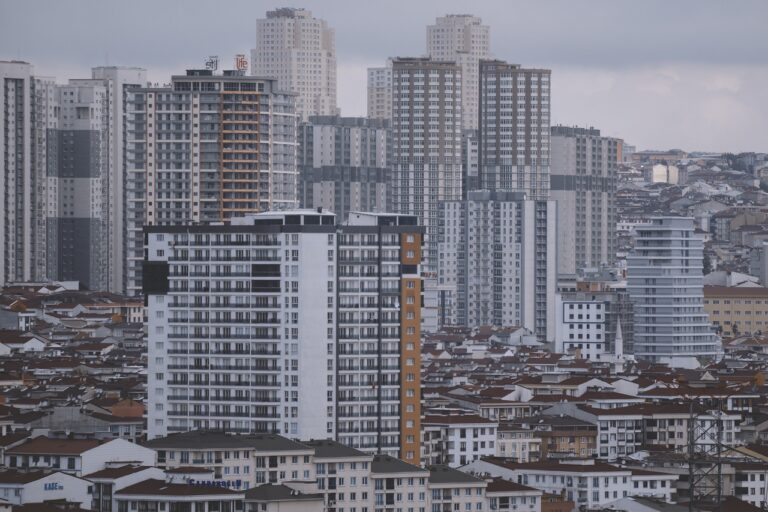
Modern Kilis is a university city and a provincial capital, and its culture is changing along with the country around it. The young people, the cafes, and the internet generation sit alongside the bazaar and the old quarter, and the city negotiates the two with ease.
The war across the border brought refugees to Kilis, and the city responded with a generosity that has reshaped its society. The population has grown, the streets have changed, and the borderland has become more complex, but the welcome has not faded.
The culture of Kilis today is still the culture of the frontier: open, pragmatic, and shaped by the people who pass through it. The city’s story continues, and visitors who come now are part of the next chapter of a very long book.
The Olive Economy and Rural Life
The olive is the oldest economy of the Kilis region, and it still shapes the culture of the countryside. The groves that cover the low hills have been worked for generations, and the harvest in autumn remains a family ritual that brings the whole community into the fields.
The oil of Kilis, pressed from the local variety of olive, is prized across Turkey, and the pressing houses that serve the groves are the industrial heart of the rural economy. Around the olive turns a whole way of life: the winter pruning, the summer dust, the autumn festival of the pressing.
This rural culture is visible in the villages, where the tea gardens, the stone houses, and the pace of work follow the seasons of the tree. To understand Kilis, spend time in the groves, because the city is, at its root, a town of the olive.
Music, Language, and Daily Manners
The sound of Kilis is the sound of a borderland. Turkish is the common tongue, but Arabic and Kurdish are heard in the streets, and the songs of the region carry the makam traditions of both Anatolia and the Arab world.
The daily manners of the city are warm and formal in the same breath. Greetings are exchanged with care, tea is offered before business, and guests are treated as honors, all customs that belong to the wider culture of the frontier.
Respect the customs and you will find them doubled back on you. In Kilis, the small courtesies are the culture, and the visitor who learns them quickly becomes a friend, which is the best introduction to the city that exists.
Frequently asked questions
What is the history of Kilis?
Kilis has been inhabited for thousands of years, as the mounds of the surrounding plain testify, and it grew into a trading town on the Ottoman frontier between Anatolia and the Arab world. After the First World War, it endured French occupation and was liberated in 1921 during the Turkish War of Independence.
What makes Kilis culturally distinctive?
Kilis’s frontier position has created a culture that mixes Turkish, Kurdish, and Arab traditions in its food, music, and daily life. Its stone houses, its bazaar crafts, and its famous cuisine, built around olive oil, katmer, and tomato-rich dishes, are the most visible expressions of that identity.
How has the Syrian war affected Kilis?
The conflict brought refugees across the border, and Kilis responded with a generosity that reshaped the city’s society and economy. The population grew significantly, the streets changed, and the borderland became more complex, but the city’s welcoming culture has endured.

All Over Information
The All Over Information editorial team researches and writes practical English-language guides to Turkey. Facts are checked against official and local sources before publication, prices are published as dated ranges rather than quotes, and guides are revised when things change. We accept no sponsored posts, paid placements or paid links.
More guides like this

Day Trip Ideas from Kilis
Kilis makes a surprising base for exploring southeastern Turkey.

Top Things to Do in Kilis
Kilis is a small city with an outsized character, and its best experiences are rarely on any list until you are standing…
A First-Timer’s Guide to Kilis
Kilis is the kind of place travelers rarely plan and often remember.

Where to Stay in Kilis
Kilis is not a city of luxury hotels, and that is rather the point.