Using Turkish public transportation is a skill you build in stages, from buying your first card to navigating the network by instinct. The system rewards a methodical approach: learn the payment method, understand the modes, master the planning tools, and build your routines. Each step builds confidence for the next.
This ten-step guide takes you from your first ride to full fluency on Turkish public transport.
Step 1: Get Your Transport Card
Your first task in any Turkish city is acquiring the reloadable transport card. Find the kiosks or vending machines at the main stations, buy the card, and reload it with enough balance for your first days. The card is your ticket on every mode: metro, tram, bus, and ferry.
The card costs a small deposit plus your chosen balance, and the machines accept cash and cards. Reloading is instant, and the balance is shown at the validator when you tap. The card works across the entire city network, with transfer discounts built in.
Keep the card safe and register it if the system allows, because registration protects your balance if the card is lost. The card is your first piece of Turkish urban identity, and it will live in your wallet for your whole stay.
Step 2: Learn the Fare System
Understanding the fares prevents surprises. Each ride deducts a base fare from your card, and transfers within the time window are discounted, making multi-leg journeys economical. The exact amounts are set by the city and displayed at the stations and in the apps.
The fare system rewards planning: one card, one tap per ride, and the discounts follow automatically. There is no need to calculate anything yourself, because the system tracks your journeys and applies the transfer discount without input.
Tourist tickets exist but cost more per ride. The reloadable card is the rational choice from the first day, and the transfer discounts make it even cheaper the more you use it.

Step 3: Download the Planning Apps
The journey planning apps are your navigators. Download the city’s official transport app and the general maps app, and learn to use both. The transport apps show live departures, routes, and disruptions, while the maps apps combine walking, transit, and timing.
Learn the search pattern: enter a destination, review the suggested routes, and check the departure times. The apps show the fare for each option and the walking distance to each stop, letting you choose between speed and convenience.
Set your home and workplace addresses as favorites, because the apps then show your commute at a glance. The planning tools turn the complex network into simple, daily decisions.
Step 4: Ride the Metro First
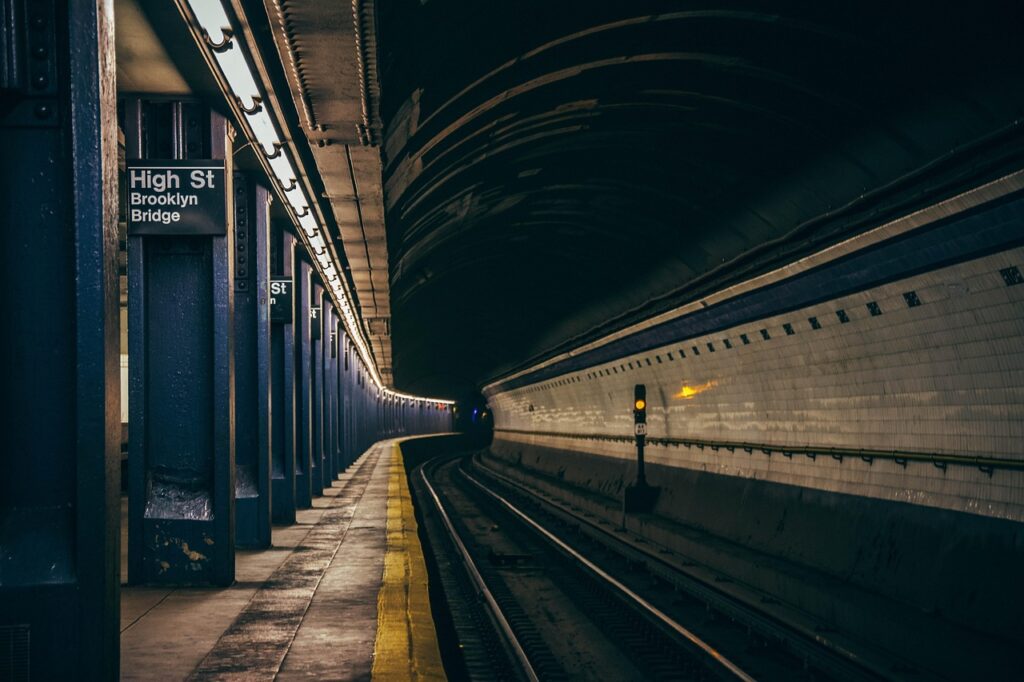
The metro is the gentlest introduction to Turkish public transport. Find your nearest station, follow the signs to the turnstiles, tap your card, and board. The stations are modern, signed in Turkish and English in the big cities, and the trains run frequently.
Learn the line colors and the direction of travel, and check the route map above the doors as the train moves. Exiting is as simple as entering: tap out where the system requires, or simply walk out where it does not.
The metro builds your confidence through simplicity. After a few metro journeys, the rhythm of the system, tap, board, ride, exit, becomes automatic, and the rest of the network opens up.
Step 5: Master the Tram and Bus
The tram is the next step, running on surface lines through the historic and central districts. The stops are frequent, the boarding is easy, and the same card works. Trams are the pleasant, scenic way to cross the old cities.
Buses require slightly more attention: check the route number and destination before boarding, tap your card at the onboard validator, and signal the driver before your stop. The planning apps show which bus serves your destination and where it stops.
Combining modes becomes natural: metro to the hub, tram to the district, bus to the door. The transfer discounts reward exactly this pattern, and the system encourages it.
Step 6: Try the Ferries
In coastal cities, the ferry is a rite of passage. Find the terminal, tap your card at the turnstile, and board with the commuters. The crossing is reliable, scenic, and often the fastest way across the water.
Learn the terminal layouts and the connections: the ferry terminals link directly to the rail and bus networks, making cross-city journeys elegant. The Bosphorus crossing in Istanbul, between the continents, is transport you will never forget.
The ferries teach you the city’s geography like nothing else. After a few crossings, the water routes become part of your mental map, and the city shrinks.

Step 7: Use the Minibuses
The minibus network fills the gaps the big buses leave. Learn the minibus line serving your neighborhood, find the stop, and signal the driver when you want to alight. The service is frequent, flexible, and essential for many routes.
The minibus etiquette is simple: pay when you board, and pass the fare forward when the driver asks. The passengers are friendly, and the regulars know the route’s rhythm.
The minibus is where you stop being a visitor. Riding the local line, greeting the driver, and knowing the stops makes you part of the neighborhood’s daily flow.
Step 8: Plan Multi-Mode Journeys
With all modes learned, plan your journeys as systems. The planning apps suggest the best combination of metro, tram, bus, and ferry for each trip, and the transfer discounts make the combinations economical.
Learn the strategic transfer points: the stations where lines meet, the terminals where ferries connect, the hubs where buses converge. These nodes are the keys to the network, and knowing them lets you travel anywhere without anxiety.
Practice the door-to-door routine: walk to the stop, ride the line, transfer at the hub, arrive refreshed. The multi-mode journey, once intimidating, becomes your everyday pattern.
The financial side of public transport deserves attention early. Fares are set by the city and adjusted periodically, and the apps and stations publish the current rates clearly. Frequent riders should compare the cost of daily travel against the monthly options the city offers, because the subscription products can save a meaningful amount for regular commuters. Keep track of your spending through the card history in the apps, which show every journey and its fare. Knowing what transport actually costs you, and how the discount systems reduce it, turns an opaque expense into a controlled part of your budget.
Step 9: Build Your Daily Routines
Routines turn transport into infrastructure. Fix your daily routes: the morning commute, the shopping trip, the weekend outings. The apps remember your favorites, and the departures you need are one glance away.
Plan around the peaks. The rush hours are crowded, and the hours just outside them are comfortable. Adjust your schedule where you can, and accept the crowds where you cannot.
Add the quality-of-life details: the coffee kiosk at your transfer station, the ferry seat with the best view, the bus stop with the morning sun. The routines become rituals, and the city becomes yours.
The final step of fluency is helping others. Newcomers who have learned the system find themselves guiding fresh arrivals, and the knowledge consolidates through the telling. The stations have information desks, the staff are patient, and the traveler who can answer a fellow passenger’s question has truly arrived. The networks are shared space, and the courtesy that fills them, giving seats, guiding directions, explaining the card, is part of what makes Turkish cities feel welcoming. Being a fluent rider means being part of that courtesy.
Step 10: Travel Beyond the City
The skills transfer beyond the city limits. The intercity bus network connects every corner of Turkey, with modern coaches and reliable schedules, and the intercity terminals link to the urban systems.
The high-speed rail network connects the major cities, and the regional trains reach towns the buses miss. Booking is easy through the official channels, and the standards are high.
Finally, use the city skills in every Turkish city you visit: each city has its own card, its own apps, and the same logic. The fluency you build at home travels with you, and Turkey’s cities all open up the same way.
One habit worth building early is the transfer check: before every journey, glance at the time windows and the connections in the planning app. The transfer discounts and the network’s integration reward journeys that flow naturally from one mode to the next, and the apps make these connections visible at a glance. Travelers who plan their transfers save money through the fare logic and time through the network’s design. After a few weeks, the habit becomes instinct, and the city’s transport stops being a system you learn and becomes a system you simply use.
Above all, enjoy the journey itself. Turkish public transport runs through some of the most dramatic urban scenery in the world: ferries beneath the Bosphorus bridges, trams past ancient walls, metros tunneling beneath the old city. The daily commute is also a daily view, and residents who keep their eyes up never stop discovering the city. The system carries you to work, to market, to the seaside, and the riding itself becomes part of the pleasure of living here.
Frequently asked questions
How do I pay for my first ride?
Buy the reloadable transport card at the kiosks or machines in the main stations, reload it with balance, and tap it at the turnstiles and onboard validators. The card works on every mode, and the balance is shown each time you tap.
Which app should I use for planning?
Use the city’s official transport app for live departures and disruptions, and the general maps app for door-to-door routing. Both are available in English in the major cities, and together they cover every journey.
Are the systems easy for first-time users?
Yes. The rail stations are modern and well signed, the planning apps handle the complexity, and the card system is identical across all modes. After a few rides, the network becomes intuitive, and the transfer discounts reward you for learning it.

All Over Information
The All Over Information editorial team researches and writes practical English-language guides to Turkey. Facts are checked against official and local sources before publication, prices are published as dated ranges rather than quotes, and guides are revised when things change. We accept no sponsored posts, paid placements or paid links.
More guides like this

A Foreigner’s Guide to Learning Basic Turkish Phrases
Learning basic Turkish is the highest-return investment an expat makes, because every phrase opens a door.

Step-by-Step: Navigating Turkish E-Government Services (e-Devlet) in Turkey
If you are new to Turkey, the e-Devlet portal can look intimidating, but it follows a predictable path once you understand the…

A Foreigner’s Guide to Avoiding Common Tourist Scams
Turkey is a wonderful and welcoming country, and the vast majority of encounters travelers have are honest and kind.

Step-by-Step: Getting a Turkish Residence Permit in Turkey
Getting a Turkish residence permit is a process with a clear structure: confirm eligibility, gather documents, apply online, attend an appointment, and…

A Foreigner’s Guide to Obtaining a Turkish Work Permit
Working in Turkey as a foreign national requires a valid work permit, and understanding how the system works before you apply can…

Everything You Need to Know About Getting a Turkish Residence Permit
A Turkish residence permit is the document that turns a temporary visitor into a legal long-term resident.