Sumela is a monastery and its valley — a place where the list of things to do is short, rich, and centered on one extraordinary object and its world. The monastery on its cliff, the forested valley below, the highlands above, and the city of Trabzon beyond make up the essential experience, and nearly everything on the list is about giving the wonder the time it deserves. This guide ranks the ten best things to do in and around Sumela, from the essential to the underrated, with practical notes on timing, effort, and cost so you can build the right trip.
1. See the Monastery on the Cliff
The essential experience, and the one that defines Sumela: the thousand-year monastery built into the sheer cliff, seen from the valley and from within. The first view of the complex on the rock face is the image that stays with everyone, and the site itself — the rock-cut chapel, the frescoes, the maze of levels and stairways — is the heart of the visit.
Go early for the morning light on the cliff and the calmest visit, and allow the time to see it properly.
Effort: the approach involves a walk up the valley. Time: two to three hours. Cost: the entrance fee.
2. Walk the Rock-Cut Chapel With Its Frescoes
The chapel carved directly into the cliff is the heart of the monastery, and its frescoes — some over 800 years old — are among the treasures of the region. The painted walls, dimly lit and layered with centuries, are the most moving part of the site.
Effort: inside the monastery. Time: as long as you give it. Cost: included in the entrance.
3. Walk the Altındere Valley
The forested valley below the monastery is the setting that makes Sumela extraordinary, and a walk beside the river — with the monastery visible on the cliff above — completes the picture. The national park around the site is beautiful in its own right, and the approach walk up the valley is part of the experience.
Effort: easy walking. Time: one to two hours. Cost: free.

4. Photograph the Monastery in the Changing Light
The monastery photographs best at the edges of the day — the morning light on the cliff, the mist over the valley, and the golden hour that turns the scene to gold. The viewpoint on the approach and the terraces of the monastery itself give the frames that make people ask where you were.
Effort: easy. Time: one hour. Cost: free (outside the site).
5. Drive the High Country
The yayla meadows and the highlands above the region are the great landscape of the eastern Black Sea — the green pastures, the herders’ life, and the views over the mountains. A drive into the high country gives the second great sight of the region, and the contrast with the monastery’s forested valley is part of the richness.
Effort: easy driving. Time: half to full day. Cost: fuel and food.
6. Visit Trabzon’s Old Town
The city below the mountains has its own treasures — the old town, the Hagia Sophia church with its frescoes, and the lively waterfront. A visit to Trabzon frames the monastery with the region’s history and its modern life.
Effort: easy. Time: half a day. Cost: entrance fees and food.
7. Eat the Trabzon Bread
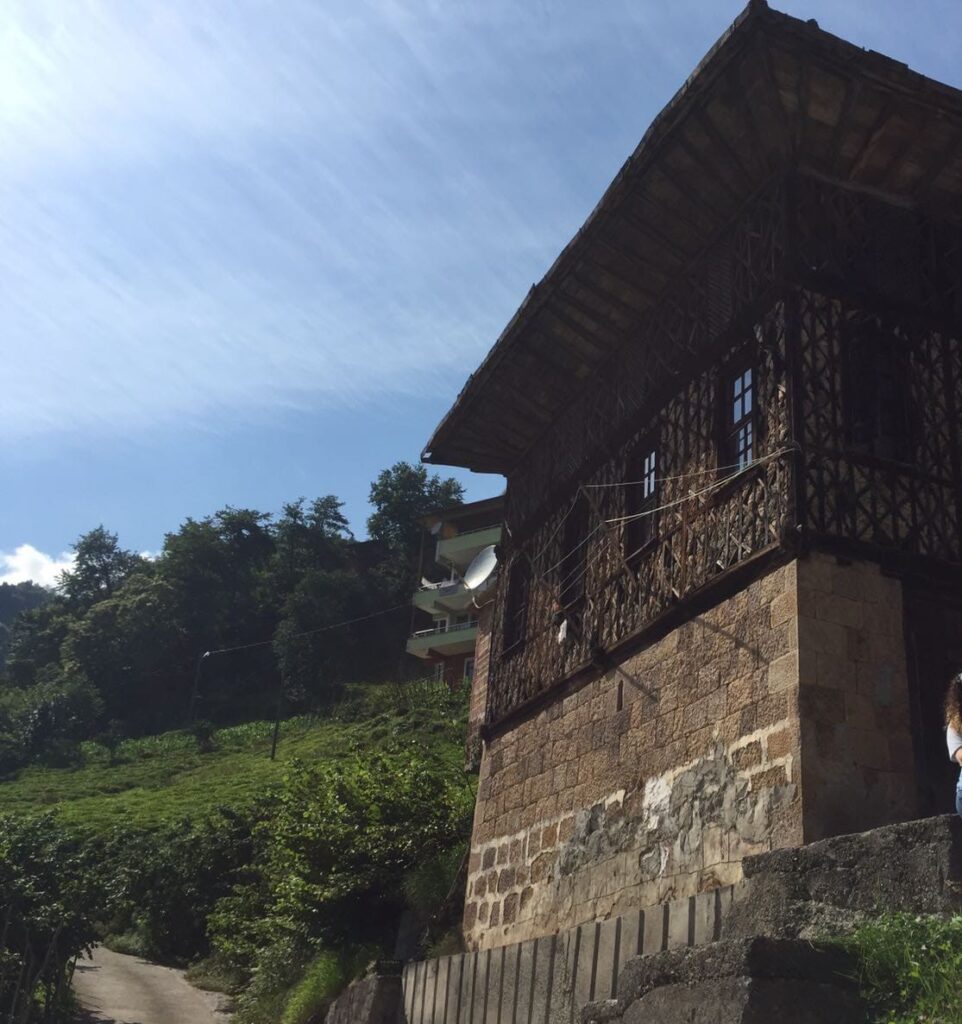
The city’s great culinary claim is its bread — the vakfıkebir, the huge, crusty loaf of the region, baked in wood-fired ovens and famous across Turkey. Eating it fresh, with the local food, is the taste of the region.
Effort: none. Time: a meal. Cost: modest.
8. Try the Black Sea Table
Beyond the bread, the region’s food is the distinctive table of the eastern Black Sea: the fish of the coast, the hamsi (anchovies) in season, the muhlama (melted cornmeal, butter, and cheese), the corn breads, and the regional meze. It is a cuisine that almost nothing else in Turkey resembles.
Effort: none. Time: a meal. Cost: moderate.
9. Walk the Tea Country
The coastal hills around the region are carpeted with the tea gardens that define the eastern Black Sea, and a drive through them, with a stop at the tea’s source, gives the region’s other dimension. The green terraces of the tea country are a different landscape from the mountains.
Effort: easy. Time: half a day. Cost: fuel and food.

10. Sit With the Valley
The final item is the simplest: a seat by the river in the Altındere Valley, with the monastery on its cliff above and the forest all around. The peace of the setting — the water, the trees, and the thousand-year presence on the rock — is the underrated pleasure of Sumela, and it costs nothing.
Effort: minimal. Time: as long as you like. Cost: free.
How to Fit the Top 10 Into a Short Visit
If you have only two days: day one is the monastery in the morning and the valley; day two is the high country or the city, with the bread and the fish. That is the core Sumela, and it is excellent. With three days or more, add the tea country, the deeper walks, and the properly relaxed time in the valley.
The Seasons of the Valley
The valley’s list changes with the season, and each season gives Sumela a different face. In the spring, the forest is at its freshest green and the river runs full — the valley at its most alive. In the summer, the site is at its fullest — the crowds at their peak, the forest at its greenest, and the long daylight hours giving the region time. In the autumn, the forested slopes turn gold and the mist returns, and the monastery photographs at its most atmospheric — the color, the light, and the cliff. And in the winter, the snow falls on the mountains and the valley, and the monastery — occasionally closed by the weather — sits above a white world, the most dramatic version of the sight. Whatever the season, the same list holds: the monastery, the valley, the highlands, and the city — each given new life by the time of year.

The Practical Notes
A few realities make the list easier to work through. The monastery’s access can close for restoration and maintenance work, so check the current status before you go. The approach involves a real walk up the valley — comfortable shoes, water, and an early start matter, and the shuttle covers part of the route. The site is a maze of levels and stairways, so allow two hours or more and take it slowly. And because Sumela is one of Turkey’s most famous sights, the peak seasons bring the tour buses — the early morning is the calmest hour, and the shoulder seasons give the best balance. With those basics handled, every item on the list delivers the version of Sumela that the photographs promise.
Beyond the Ten
The ten items are the core, but the region holds more for the traveler who lingers. The other monasteries and the historic sites of the Black Sea — the churches, the castles, and the ruins of the coast — reward the explorer. The deeper valleys and the higher lakes of the high country, for the walker, open the wildest scenery of the region. And the coast itself, with its harbors, its beaches, and its tea, gives the eastern Black Sea its other dimension. Two or three days covers the list above; a week lets you reach beyond it, into the deeper valleys and the wilder highlands that make this corner of Turkey one of its most beautiful and least known.
The Takeaway
The top ten things to do in Sumela are the ways of experiencing one extraordinary object and its world: the monastery on its cliff, the valley below, the highlands above, and the city with its food beyond. The list is simple, the effort is moderate, and the wonder is disproportionate — which is exactly the character of the place. Work through it at the valley’s own pace, and you will leave having had the complete Sumela.
Frequently asked questions
What is the one thing I must not miss in Sumela?
The monastery on its cliff — the first view of the complex on the rock face, and the rock-cut chapel with its frescoes inside.
Is Sumela good for walking?
Yes — the approach up the valley and the site itself are real walking, and the Altındere Valley is beautiful in its own right.
What is the best day trip from Sumela?
The high country — the yayla meadows above the region — and the city of Trabzon with its old town and its food.
Is Sumela crowded?
In the peak seasons, yes — it is one of Turkey’s most famous sights. The early morning is the calmest.
How long should I stay in Sumela?
Two nights covers the essentials; three to five days gives you the region, the walks, and the properly relaxed version.
Is Sumela good for families?
Yes — the monastery and the valley suit older children, and the region’s drives and the highlands are family-friendly.

All Over Information
The All Over Information editorial team researches and writes practical English-language guides to Turkey. Facts are checked against official and local sources before publication, prices are published as dated ranges rather than quotes, and guides are revised when things change. We accept no sponsored posts, paid placements or paid links.
More guides like this
How to Get to Sumela from Istanbul
Getting from Istanbul to Sumela is a proper journey — over a thousand kilometers by road, across the width of northern Turkey…

Sumela on a Budget: Money-Saving Travel Tips
Sumela is one of Turkey's great sights, and a visit to it does not have to be expensive — the monastery itself…
48 Hours in Sumela: The Perfect Itinerary
Two days around Sumela is enough to see the monastery properly — in the changing light of the valley, with the time…
Photography Spots in Sumela You Can’t Miss
Sumela is one of the most photographed monuments in Turkey, and the reason is visible from the first moment you see it:…

The Best Day Trips from Sumela
Sumela is a destination you could build a whole trip around — the monastery on its cliff, the valley below, and the…
Sumela in Summer: A Complete Travel Guide
Summer is Sumela at its fullest — the monastery at its most accessible, the valley at its greenest, and the region drawing…