Ask a Turkish professional about work-life balance and you will get an answer that surprises many Western visitors. On paper, Turkish working hours are long, and the rhythm of the working week is intense. In practice, though, life in Turkey has a social warmth that many Western workers feel they have lost. Family, friends, and hospitality are woven into daily life in a way that often puts formal balance to shame. This guide compares the two approaches honestly, looking at hours, holidays, family life, and the real meaning of downtime in Turkish culture.
The Working Week on Paper
The official Turkish working week is set at forty-five hours, longer than the standard in most of Western Europe, with a Saturday half-day common in many sectors. The working day typically runs from early morning until early evening, with a lunch break built around the noon hours.
In practice, hours can stretch further. Istanbul, in particular, is a city of long commutes, and many professionals leave home early and return late, with the journey itself eating into personal time. The pace of urban life is relentless, and the working day often follows.
Yet the comparison is not as simple as it looks. The same culture that accepts long hours also protects the sanctity of the evening, the weekend, and the family table in ways that formal statistics miss. The paper hours tell only half the story.
Commuting and the Urban Grind
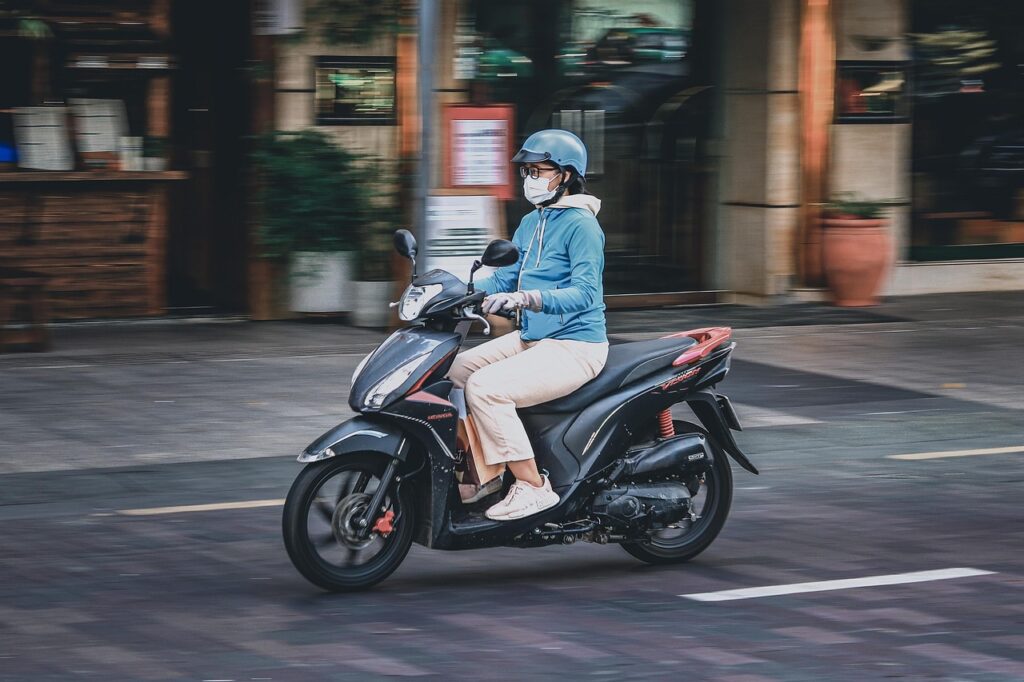
The commute is the hidden cost of Turkish city life. Istanbul’s traffic is legendary, and crossing the Bosphorus, or even moving across one side of the city, can consume two hours or more each way. Many workers wake before dawn and return after dark.
This reality shapes the comparison with the West. A Western worker with shorter hours may still spend as much total time away from home once commuting is counted. In Turkey, the problem is not always the hours of work; it is the hours of transit around the work.
The response is adaptation. Many companies allow flexible starts, and the rise of remote work has changed the calculus for those who can escape the daily crossing. For those who cannot, the commute is simply accepted as part of the price of life in the big city.

Holidays and Vacation Time
Turkish workers receive paid annual leave that is generous by some standards and modest by others. The entitlement grows with years of service, and public holidays, including the two religious festivals that move each year, add to the days off through the calendar.
The rhythm of holidays is distinctive. The religious festivals bring family gatherings, travel, and a near-total pause in business life, while national holidays celebrate the founding of the Republic and other historic milestones. The year is marked by these shared pauses.
Compared with Western Europe, where five or six weeks of leave is common, the Turkish allowance is shorter in total days. Compared with the United States, however, it looks healthy. The cultural weight of the holidays, and the expectation that they will be spent with family, gives the days a meaning that a simple count misses.
Family at the Center
The family is the beating heart of Turkish life, and it organizes everything around it. Weekly visits to parents, long Sunday lunches, and the expectation that no one eats alone structure the social calendar in ways that many Western workers envy.
This family orientation reshapes the meaning of balance. Where Western models often balance work against individual leisure, the Turkish model balances work against family duty and family joy. The measure of a life well lived is not just rest but connection.
For expats, the family orientation can be a revelation or a challenge. The constant invitations, the obligation to visit, and the closeness of family life are warm but demanding. Understanding this priority is the key to understanding Turkish work-life balance itself.
The Daily Pause
Even on the busiest days, Turkish life protects moments of pause. The tea break, the shared meal, the afternoon conversation with colleagues: these small rituals interrupt the working day and keep it human. The office kettle is a social institution.
This stands in contrast to Western work cultures where lunch is eaten at the desk and the day runs in a continuous flow. In Turkey, the meal is a protected time, and colleagues who eat together work together more easily. The pause is not lost time; it is relationship time.
The rhythm extends beyond the office. Shops close for meals, cafes fill in the afternoon, and the evening belongs to the streets. The visitor quickly notices that the whole society is organized around these daily pauses, and that the pace of life protects them.
Evenings and Social Life
The Turkish evening starts late and ends late. Dinner is typically eaten well after dark, often after nine in the summer months, and the evening continues with tea, conversation, and walks along the waterfront. The night belongs to friends and family.
Compared with the West, where evenings are often shorter and more homebound, the Turkish evening is a social event in itself. Cafes and parks fill with families, couples, and groups of friends, and the street becomes a living room shared by the whole neighborhood.
The social evening is the real work-life balance of Turkish culture. After a long working day, the evening restores the person through company rather than solitude. For many visitors, this is the most attractive quality of life in Turkey: the city that comes alive when the work stops.

The Weekend Rhythm
Weekends in Turkey follow their own pattern. Saturday is often a working morning in many sectors, but from Saturday afternoon through Sunday evening, the rhythm belongs to family and leisure. Sunday lunch is sacred, and the meal is long, generous, and unhurried.
Coastal cities empty toward the sea, while Istanbul’s weekend sees families packing the parks, the bazaars, and the ferry lines. The weekend is a collective exhale, and the city organizes itself around pleasure rather than productivity.
The contrast with the West is instructive. Western weekends are often filled with chores, schedules, and the logistics of family life. The Turkish weekend, while it has its chores, protects more time for the table, the conversation, and the simple joy of being together.
Retirement and Later Life
Retirement in Turkey carries a strong cultural meaning. The traditional model expects the older generation to be cared for and involved, with grandparents playing a central role in raising grandchildren and anchoring the extended family. Retirement is rarely lonely.
The pension system provides a basic income, though its real value has been eroded by inflation in recent years, and many retirees continue to work informally, run small businesses, or live with family. The economic reality of retirement is harder than the ideal.
For comparison, Western retirement often emphasizes financial independence and personal pursuits. The Turkish model emphasizes family interdependence and presence. Neither is superior, but the difference explains why Turkish retirees are so often at the center of family life rather than at its margins.

The Digital Workplace
Remote work has reshaped Turkish work-life balance just as it has reshaped the West’s. The pandemic proved that much work could be done from anywhere, and many companies now offer hybrid arrangements that spare workers the daily commute and give families back their evenings.
The change has been particularly valuable in Istanbul, where the commute is the enemy of balance. Workers who once spent four hours a day crossing the city now use that time for family, exercise, or rest. The digital workplace has quietly done more for balance than any labor reform.
At the same time, remote work brings its own blurring of boundaries. When the office is in the living room, the working day can stretch, and Turkish workers, like Western ones, must learn to close the laptop and protect the evening.
What the Comparison Really Shows
The honest comparison between Turkish and Western work-life balance resists simple verdicts. The formal statistics favor the West: shorter hours, longer leave, and stronger labor protections in much of Europe. The lived experience is more complicated.
What Turkish culture offers is a reminder that balance is not only about hours counted but about how the hours are spent. The tea break, the family table, the long evening, the sacred Sunday lunch: these are not luxuries added to Turkish work life. They are its structure.
For the Western professional considering a move to Turkey, the practical advice is to look past the clock and study the rhythm. If you can adapt to a working culture that is intense but relational, demanding but warm, you may find that Turkish balance, though different, is real.
Frequently asked questions
Are working hours in Turkey longer than in Western Europe?
Officially, yes: the standard week is forty-five hours compared with around thirty-five to forty in much of Western Europe, and many sectors work a Saturday half-day. However, long commutes in cities like Istanbul blur the comparison, and strong social protections on evenings, weekends, and holidays shape how those hours are lived.
How much annual leave do Turkish workers get?
New employees typically start with fewer than twenty paid days per year, with the entitlement growing as years of service increase. Public holidays add to this, including the religious festivals that shift each year. The allowance is modest compared with Western Europe but healthier than in many other countries.
Is it easy for expats to adjust to Turkish work culture?
Most expats find the transition positive but demanding. The culture is warm and relational, with strong emphasis on colleagues, meals, and hospitality, but working hours can be long and the pace intense. Those who embrace the social rhythm of Turkish working life usually report a richer experience than the clock alone would suggest.

All Over Information
The All Over Information editorial team researches and writes practical English-language guides to Turkey. Facts are checked against official and local sources before publication, prices are published as dated ranges rather than quotes, and guides are revised when things change. We accept no sponsored posts, paid placements or paid links.
More guides like this

How Foreign Entrepreneurs Are Entering Turkey’s Education Industry
Turkey's education sector serves one of the largest student populations in Europe and the Middle East, and it has become a magnet…

Turkey’s Real Estate Market for Foreign Investors
Turkey has become one of the world's most popular destinations for foreign property buyers.

How Foreign Entrepreneurs Are Entering Turkey’s E-Commerce Industry
Turkey's e-commerce industry has become one of the most attractive entry points for foreign entrepreneurs in the country's digital economy.

How Foreign Entrepreneurs Are Entering Turkey’s the Automotive Industry Industry
Turkey's automotive industry is one of the country's most internationally connected sectors, and foreign entrepreneurs are entering it through a range of…

Opportunities and Challenges in Turkish Film and Media Production
Turkey's film and media production sector is one of the country's most visible success stories, with series and films that have traveled…

Opportunities and Challenges in Turkish the Automotive Industry
If you are exploring business opportunities in Turkey, the automotive industry deserves your close attention.