Corum rarely appears on first-time Turkey itineraries, and that is precisely why you should consider it. This Central Anatolian plateau city is the gateway to the Hittite heartland, home to the UNESCO-listed ruins of Hattusa, yet it remains a working provincial town where hotel prices stay reasonable and the welcome feels genuine. Because the headline attractions sit a short drive outside the city, where you sleep matters more than usual: a base near the bazaar suits sightseers, while a room in Bogazkale village puts you at the gates of the ancient capital. This guide matches your base to your plans.
The City Center: Best for First-Timers
The city center, gathered around the clock tower and the main square, is where most visitors end up sleeping. This is the practical Corum: banks, pharmacies, patisseries, and tea gardens all within a five-minute stroll,. Almost everything a visitor needs is walkable, which matters after a long day among Hittite ruins.
Staying centrally simplifies your mornings. The bazaar, the Archaeology Museum, and the bus station are close, and minibuses for Bogazkale and Alacahoyuk pass through or near the center, so you can reach the ruins before the heat builds. The main avenues also hold the city’s better restaurants and the lively evening street life of a provincial capital.
The trade-offs are the usual ones: traffic noise on the main roads, and a certain anonymity in the larger hotels. Choose a side street and you get a quieter room without giving up the convenience. For a first visit of two or three nights, the center remains the sensible default.
Staying Near the Bazaar
For many travelers, the old market district is the most atmospheric place to spend the night. The covered bazaar streets of central Corum are lined with shops that have traded for generations, and the lanes around them hold small hotels and renovated guesthouses right in the middle of the action.
Waking up here means starting your day with the smell of roasting chickpeas, Corum’s famous leblebi, drifting from the stalls. Mornings are liveliest, when shopkeepers open their shutters and the first glasses of tea appear, and evenings bring a gentler pace as the tea gardens fill with locals.
The practical side is just as good: the bazaar district sits between the square and the residential quarters, so you are central without being on the busiest avenue. Rooms here tend to be smaller and older than in the modern hotels, but the atmosphere compensates, and the location suits anyone who loves to shop and people-watch.

Around the Archaeology Museum
The area around the Corum Archaeology Museum offers a calmer base than the square or the bazaar. The museum itself, with its celebrated Hittite collection and the famous bronze stag figurine, sits on a green avenue, and the surrounding streets are quieter, more residential, and pleasantly shaded in summer.
Staying here puts the museum at your doorstep: you can visit at opening time, when the galleries are empty, and return in the evening for another look at the tablets and reliefs. The neighborhood also has good sidewalks for walking into the center, ten or fifteen minutes away, and a few unpretentious lokanta restaurants where the clientele is almost entirely local.
The trade-off is distance: you exchange the instant convenience of the square for a short walk, and restaurant choice narrows. For history-minded travelers who plan to spend real time with the Hittite collection, this is a pleasant, characterful base, and prices reflect the quieter location.
Bogazkale: Sleeping at the Hittite Capital
If you are in Corum province for the Hittites, the village of Bogazkale deserves more than a day visit. It sits right at the entrance to the Hattusa ruins, and a handful of small guesthouses let you sleep within walking distance of the ancient walls, the Lion Gate, and the Great Temple.
The payoff is enormous. Early morning and late afternoon are the best times to walk the ruined city, when the light is golden and the tour buses are gone, and staying overnight guarantees you both. The village also gives you easy access to the Yazilikaya rock sanctuary, far more atmospheric in the quiet of the evening.
The trade-offs are real: Bogazkale is a small village, so amenities are basic, dining choices are limited to a few family restaurants, and rooms are simple rather than luxurious. But for anyone who loves ancient sites, watching the sun rise over the Hittite capital is worth every small sacrifice.
Budget Pensions and Family Guesthouses
Corum is an affordable city, and its budget accommodation reflects that. A network of small pensions and family-run guesthouses offers clean, simple rooms at prices that undercut the larger hotels, often with breakfast included and a level of personal attention that chain hotels cannot match.
The owners of these places know the area well. Ask about the best time to visit Hattusa, which road to take to Alacahoyuk, or where to buy the best leblebi, and you will get a genuinely useful answer, usually over a glass of tea. Many also arrange local transport or point you toward the right minibus stop.
What you give up is predictable: furnishings can be dated, bathrooms basic, and English spoken in varying degrees. Come with a phrasebook and a flexible attitude, and you will find these pensions the friendliest and best-value base in the province, ideal for solo travelers and anyone who prefers spending on ruins rather than rooms.
Hotels for Business and Transit Travelers
Corum sits on important routes across the Anatolian plateau, between Ankara and the Black Sea region, so a handful of mid-size business hotels have grown up along the main avenues. These are the city’s most comfortable and standardized options, aimed at travelers who value parking, reliable Wi-Fi, and an early breakfast before a long drive.
For road-trippers these hotels are genuinely useful. Secure parking is the biggest advantage, followed by consistent room quality, lifts, and staff accustomed to fast check-ins. If you are passing through Corum on the way to the Black Sea coast, a night in one of these hotels is the least complicated option in town.
The character is the sacrifice: these places could sit in any Turkish city, and you will find no Hittite-themed boutique atmosphere. But they deliver exactly what they promise, and their restaurants often serve dependable regional cooking. They are also the easiest option for larger groups who need several rooms and parking.

Old Town Guesthouses in Ottoman Houses
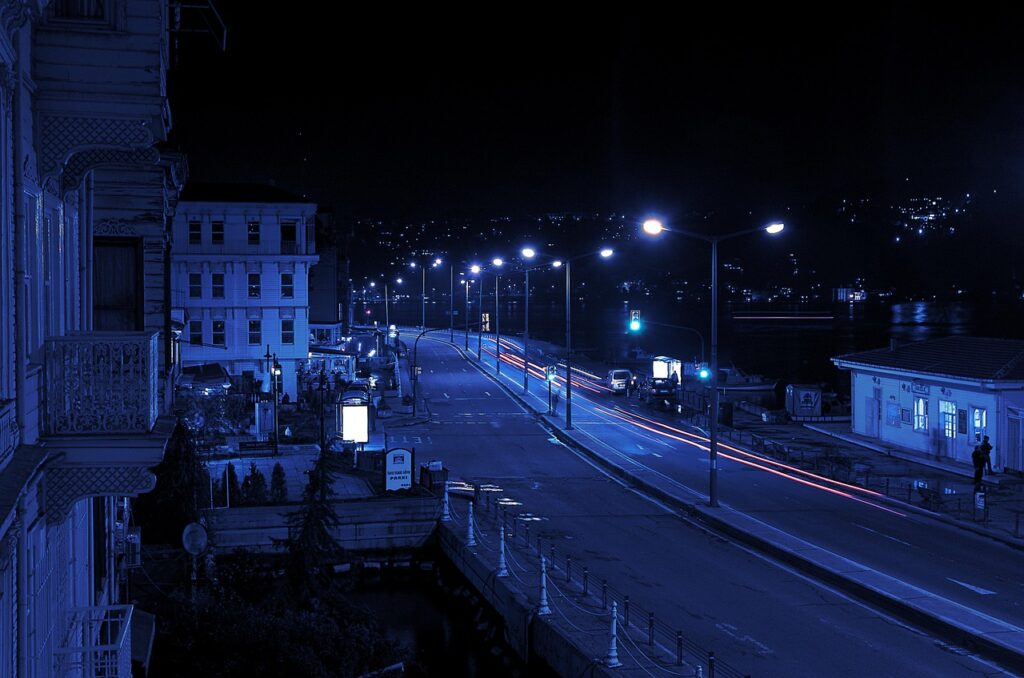
Scattered through Corum’s older quarters are a growing number of restored houses offering boutique-style stays. These projects, often in nineteenth-century townhouses with wooden facades and courtyard gardens, give travelers a chance to sleep in a piece of the city’s architectural heritage rather than in a generic hotel room.
The experience is the selling point: thick walls, high ceilings, courtyard breakfasts with homemade jams, and interiors that mix Ottoman-era details with modern bathrooms. Owners tend to be passionate about the city and generous with their knowledge, turning a simple overnight into a genuine introduction to Corum’s culture.
Supply is limited, so booking well ahead is essential, and prices sit at the top of the local range. The houses are also concentrated in the older streets, which means some walking to reach the main sights. For couples and culture travelers, these guesthouses offer the most memorable nights in Corum.
Where to Base Yourself for Day Trips
If your real destination is Hattusa and Alacahoyuk, think of your nights as part of the itinerary. A common strategy is two nights in the city, using one full day for the bazaar and the museum, then one night in Bogazkale so you can walk Hattusa in the cool of morning and reach Yazilikaya before the crowds.
Without a car, the city center is the practical base, because minibus and tour connections radiate from there. With a car, the choice widens: you can stay in the old town for character or on the avenues for parking, and drive to the ruins at your own pace. Both sites lie within roughly an hour’s drive of the city.
The key advice is to build in margin. The ruins reward slow walking, and the distances between gates at Hattusa are longer than they look on a plan. Arrange your sleeping so that the ancient sites get your freshest hours, and let Corum’s comfortable provincial life fill the rest.

Staying in Corum in Winter
Corum winters are the real thing: cold, dry, and occasionally snowy, with temperatures well below freezing at night. The city is quiet in these months, the bazaar more subdued, and the plateau can look magnificent under a dusting of snow, with the Hittite ruins at their most dramatic and deserted.
Practical matters matter more here. Check that your room has reliable heating, and consider a hotel with a restaurant so you do not need to walk far in the cold. Winter rates are the lowest of the year, and you will often have the museums and monuments to yourselves.
The weather is a risk, of course: outdoor sites can be bitterly cold, and a sudden snowstorm can complicate the drive to Bogazkale. If you visit between December and February, plan indoor priorities first, dress in serious layers, and treat the ruins as a bonus rather than the whole point of the trip.
How to Choose: A Quick Recap
If you are still deciding, the calculation is simple. First-timers with two or three nights should take the city center, ideally on a side street near the bazaar, for the widest choice of food and transport. History lovers should book one night in Bogazkale no matter where they stay the rest of the trip, and budget travelers should look first at the family pensions.
Winter visitors should prioritize heating and an on-site restaurant, and summer visitors should look for rooms away from the busiest traffic.
Frequently asked questions
Is Corum a good base for visiting Hattusa?
Yes, it is the natural base. Hattusa and the Yazilikaya sanctuary are about an hour’s drive from the city, and Alacahoyuk is closer still. Minibuses connect the city to Bogazkale village. Combining a night in the city with one in Bogazkale is the classic approach.
Should I stay in the city or in Bogazkale?
Stay in the city if you want restaurants, museums, and the bazaar at your door, or if you are limited to one or two nights. Stay in Bogazkale if the Hittite sites are the whole point of your trip, since you will have the ruins at their quietest and most beautiful hours.
Is Corum easy to get around without a car?
Yes. The city center is compact and walkable, the museum and bazaar are within easy reach of the central hotels, and minibuses connect the city with Bogazkale and the surrounding districts. For more remote sites, a hired car or arranged tour helps.

All Over Information
The All Over Information editorial team researches and writes practical English-language guides to Turkey. Facts are checked against official and local sources before publication, prices are published as dated ranges rather than quotes, and guides are revised when things change. We accept no sponsored posts, paid placements or paid links.
More guides like this


A First-Timer’s Guide to Corum
Corum sits in the heartland of the Hittite Empire, one of the great powers of the ancient world, and it is the…

Day Trip Ideas from Corum
Corum is one of the most underrated bases in central Turkey for day trips.

History and Culture of Corum
Few provinces in Turkey can claim a deeper past than Corum.
Top Things to Do in Corum
Corum is the gateway to the Hittite heartland, and it offers something few regions can match: the chance to walk the streets…