Ayvalık is the Aegean’s olive-oil town: a coastal settlement of stone houses and old churches, famous for its olive groves, its islands, and its table. The first visit rewards the wanderer with the authentic Greek-era architecture and the relaxed pace, and this guide covers the essentials of Ayvalık.
Why Ayvalık
Ayvalık is the different Aegean: a town that the mass tourism touched lightly, leaving the character intact. The old quarter of the town holds the stone houses and the churches of the Greek era, and the narrow lanes climb the hill from the sea; the olive groves of the region, the famous source of the town’s wealth, surround the settlement; and the islands of the bay — Cunda, the largest, connected by the bridge — give the day trips. The visitors come for the architecture, the olive oil, and the food, and the town delivers all of it.
The practical why note: Ayvalık is the authentic, the food-focused end of the Aegean, and the pace is the local one; the town is the weekend destination of Izmir and the day-trip favorite of the region; and the charm is in the old quarter and the table. The first-timer comes for the character, and the town delivers it in spades.
Getting to Ayvalık
Ayvalık sits on the Aegean coast of the Balıkesir province, and the journey from Izmir is the easy one. The nearest airport is Izmir Adnan Menderes, about two hours away by road, with the shuttle buses and the rental cars connecting; the buses from Izmir run to Ayvalık, and the minibuses connect the town; and the drive from Izmir runs about two hours, through the coastal countryside. The journey to Ayvalık is the straightforward one, and the arrival at the old town is the reward.
The practical arrival note: the flight to Izmir plus the transfer is the common route; the bus from Izmir runs the direct route; and the rental car gives the freedom of the region. The journey to Ayvalık is the easy one, and the coastal road delivers the traveler.
The Old Town and the Churches
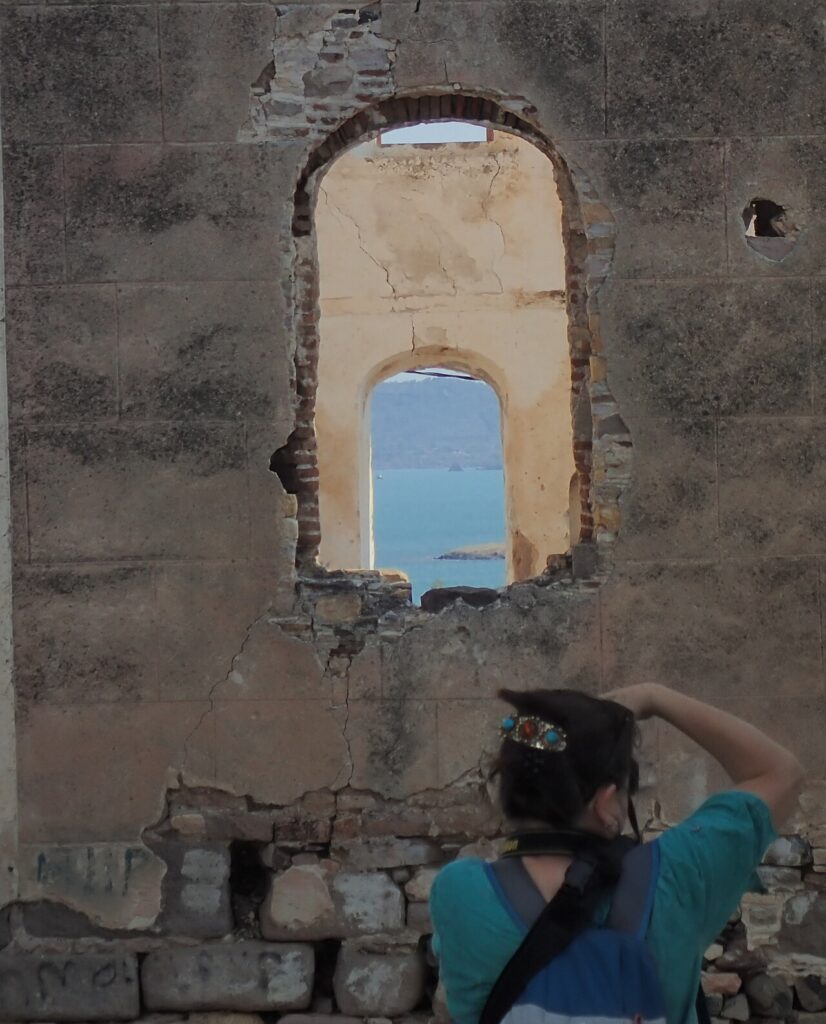
The old town of Ayvalık is the heart of the place, and the architecture of the Greek era gives the character. The stone houses of the old quarter, with their balconies and their courtyards, line the narrow lanes, and the churches of the town — the Taksiyarhis, the old Greek churches — add the landmarks; the lanes climb the hill from the seafront, and the views from the top reach the bay and the islands; and the cafes and the shops of the quarter fill the old buildings. The old town of Ayvalık is the essential experience, and the first visit starts with the wander.
The practical old-town note: the lanes are the walkable ones, and the wandering without the map is the way; the Taksiyarhis church, now the museum, is the essential stop; and the evening light on the stone houses is the lovely one. The old town of Ayvalık gives the character, and the quarter delivers the scenes.
The Olive Oil and the Groves
The olive oil of Ayvalık is the identity of the town, and the groves and the presses of the region give the story. The olive trees of the region, some of them centuries old, cover the hills, and the oil they yield is the famous product of the town; the presses and the producers of the area welcome the tasting, and the olive oil and the olive soap of Ayvalık fill the shops; and the autumn harvest gives the liveliest season of the groves. The olive oil of Ayvalık is the essential experience, and the region delivers the taste.
The practical olive note: the tasting of the oils and the soaps in the shops is the custom; the producers and the presses of the area open by the arrangement; and the bottles and the soaps make the perfect souvenirs. The olive oil and the groves of Ayvalık give the town its identity, and the region delivers the character.

The Seafront and the Harbor
The seafront of Ayvalık gives the town its water, and the promenade and the harbor deliver the daily life. The seafront runs along the bay, and the cafes and the restaurants of the waterfront fill the tables; the small harbor holds the boats, and the ferry to Cunda leaves from nearby; and the sunsets over the bay give the evening shows. The seafront of Ayvalık is the living heart of the town, and the water delivers the setting.
The practical seafront note: the evening promenade is the local ritual, and the sunset is the lovely one; the seafood restaurants of the waterfront serve the fish; and the boats of the harbor give the maritime scenes. The seafront and the harbor of Ayvalık give the town its rhythm, and the bay delivers the setting.
Cunda Island
The island of Cunda, connected to Ayvalık by the bridge, is the essential day trip, and the island gives the different scenes. The old stone houses of Cunda’s quarter, the churches, and the narrow lanes give the character; the seafood restaurants of the island’s harbor are the famous ones; and the beaches and the coves of the island give the swimming. The Cunda day trip is the classic Ayvalık excursion, and the island delivers the variety.
The practical Cunda note: the bridge connects the island, and the drive or the bus takes the short time; the old quarter of the island is the walkable one; and the seafood lunch at the island’s harbor is the classic meal. The island of Cunda gives the essential excursion, and the bay delivers the day.

The Food of Ayvalık
The food of Ayvalık is the famous table of the region, and the town’s cooking runs on the olive oil and the sea. The olive oil dishes of the region — the mezes, the vegetables cooked in the oil — give the local cuisine, and the seafood of the coast follows; the Ayvalık toast, the famous local sandwich, gives the street food; and the restaurants and the lokantas of the town serve the honest, the delicious meals. The food of Ayvalık is the essential experience, and the table delivers the reputation.
The practical food note: the olive oil mezes are the orders, and the seafood of the coast follows; the Ayvalık toast is the must-try street food; and the lokantas of the town give the affordable, the honest meals. The food of Ayvalık gives the town its fame, and the table delivers the pleasure.
The Practical First-Timer Notes
The practical notes for the Ayvalık first-timer: the pace is the relaxed one, and the itinerary should be the unhurried one; the cash is the useful one, though the cards work widely; the Turkish phrases help, though the English works in the tourist spots; and the sun protection and the water are the essentials of the coast. The first visit to Ayvalık is about the wandering and the eating, and the town rewards the traveler who slows down.

The Essential PackingnnThe packing for Ayvalık follows the coast’s needs, and the light bag serves the town best. The swimsuit and the towel come first, because the swimming of the bay is the daily ritual; the comfortable walking shoes are the essential, because the old town’s lanes and the hills reward the walker; and the sun protection — the hat, the sunglasses, the sunscreen — is the essential of the exposed days. The light layers cover the evenings, when the sea breeze cools the seafront tables; the sturdy sandals serve the seafront; and the small backpack carries the water and the picnic for the beach days. The packing for Ayvalık is the simple one, and the light bag leaves the room for the olive oil and the soap on the way home.n
The Takeaway
Ayvalık is the Aegean’s olive-oil town: the stone old town and its churches, the olive groves, the island of Cunda, and the famous table. The first visit rewards the wanderer and the eater, and the town gives the authentic Turkey — the one of the old houses, the olive presses, and the long lunches. Arrive, wander the lanes, eat the mezes, and let the olive-oil town do the rest.
Frequently asked questions
Is Ayvalik worth visiting?
Yes — the Greek-era old town, the olive oil, the islands, and the famous table make it one of the most characterful towns of the Aegean.
How do I get to Ayvalik?
By flight to Izmir plus the transfer, by bus from Izmir, or by rental car along the coastal road.
What is Ayvalik known for?
The olive oil and the olive soap, the stone old town and its churches, Cunda Island, and the local cuisine.
Is Ayvalik expensive?
No — it is the authentic end of the coast, with the honest restaurants and the simple stays.
How many days do I need in Ayvalik?
Two to three days give the time for the old town, Cunda, and the relaxed pace; a weekend is the classic visit.

All Over Information
The All Over Information editorial team researches and writes practical English-language guides to Turkey. Facts are checked against official and local sources before publication, prices are published as dated ranges rather than quotes, and guides are revised when things change. We accept no sponsored posts, paid placements or paid links.
More guides like this

How to Get to Ayvalik from Istanbul
Ayvalik sits on the Aegean coast, a long way from Istanbul, and the journey between them takes a full travel day no…

Hidden Gems of Ayvalik Most Tourists Miss
Ayvalık is the town that the day-trippers know, and even within the olive-oil town the hidden corners reward the explorer.

Top 10 Things to Do in Ayvalik
Ayvalık is the olive-oil town with the big list, and the ten best things to do there range from the old quarter's…

A Foodie’s Guide to Ayvalik
Ayvalık is the olive-oil capital of the region, and the food of the town runs on its famous product and the sea.

History and Culture of Ayvalik
Ayvalik is a town whose history you can read in its streets.

Best Time of Year to Visit Ayvalik
Ayvalik is a year-round town, but the year is not one experience: it is four distinct seasons, each with its own light,…