Didim sits on Turkey’s Aegean coast as a resort town with a serious ancient heart. Most visitors come for Altinkum, its long golden beach, but the reason the town exists is the Temple of Apollo at Didyma, one of the grandest sanctuaries of the ancient world. The two sides of Didim, the modern holiday town and the ancient sanctuary, sit side by side, and a first visit is about enjoying both. This guide covers the essentials, from the temple and the beach to where to stay, eat, and explore.
What to Expect from Didim
Didim is a working resort town that has grown quickly around tourism. Its heart is Altinkum, the neighborhood built around the beach of the same name, with its promenade, restaurants, and hotels. Around it spread the newer districts, while the old town and the ancient temple lie to the east, closer to the sea that once served the sanctuary.
The town is lively in summer and quiet in winter, and the pace is relaxed at any season. You will find a mix of Turkish families, international visitors, and a large community of foreign residents, which gives Didim a distinctly cosmopolitan feel. English is widely spoken in the tourist areas, and the town is easy to navigate.
For a first-time visitor, the key is to balance the two Didims: the beach holiday you came for and the ancient city you should not miss. Both are within easy reach, and together they make Didim a more interesting destination than its reputation suggests.
The Temple of Apollo at Didyma
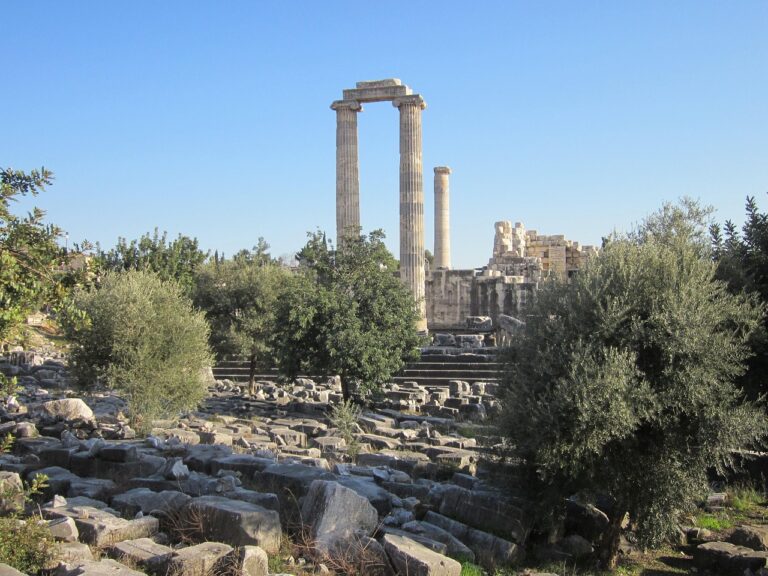
The Temple of Apollo is the great monument of Didim, and it deserves your full attention. Built to rival the largest temples of the ancient world, it was never quite finished, yet its surviving columns and walls still convey immense scale and ambition. The sanctuary was famous for its oracle, second in importance only to Delphi.
The temple is approached along the Sacred Way, an ancient processional road that once linked it to the port of Miletus. Within the ruins, the most remarkable feature is the inner courtyard, open to the sky, with its enormous column bases and the remains of the staircase that led to the oracle chamber.
Allow a generous two hours for the site. The temple is vast, the details are rich, and the atmosphere is enhanced by the fact that the sanctuary is far less crowded than the great sites of Ephesus or Pergamon. Visit in the morning or late afternoon for the best light and the most peaceful experience.

Altinkum Beach and the Coast
Altinkum means golden sand, and the beach lives up to its name. This is the centerpiece of Didim’s holiday life, a long, wide stretch of sand with clear, shallow water that is perfect for families and swimmers. Sunbeds and umbrellas line the shore in summer, and the beach is kept clean and well maintained.
The beach is backed by a lively promenade with cafés, restaurants, and shops, and it is at its best in the evening, when the sea breeze arrives and the lights come on. The shallow water extends far out, making it a safe and easy beach for children and for swimmers who like to walk out into the sea.
Beyond Altinkum, the coast offers quieter spots. The bays to the north and south have smaller beaches, and the rocky stretches between them are good for exploring. Boat trips from the harbor also reach coves and swimming spots along the coast that are inaccessible by road.
The Town and Its Districts
Didim is made up of several distinct districts, each with its own character. Altinkum is the beach resort, with the liveliest streets and the most services. The old town, around the market and the local shops, is where daily life happens, quieter and more authentic than the tourist strip.
Yenihisar is the historic core, the original settlement that grew around the temple, and it is home to the small museum and the remains of the ancient town. The newer residential districts spread inland, with villas, apartments, and gardens that house the large foreign community.
For a first-timer, a walk through the different districts reveals the layers of Didim. One moment you are on a busy beach promenade, the next in a quiet street of local shops, and a few minutes further on, among the olive groves that surround the ancient sanctuary. The contrasts are part of the town’s charm.
Food and Drink
Didim’s food scene reflects both its coastal location and its mixed community. Seafood is the star, with the fish market in the old town a genuine highlight: you choose your fish, a nearby restaurant cooks it, and you eat within minutes of it leaving the water. It is a simple, memorable, and sociable experience.
Beyond seafood, you will find the full range of Turkish cooking, from kebabs and grills to meze and home-style dishes. The restaurants along the Altinkum promenade are tourist-friendly, while the old town and the back streets hold the places where locals eat. Follow the local crowds and you will eat well.
For a different flavor, the town’s international community has brought its own cuisine, and you can find British-style breakfasts, pub food, and more alongside the Turkish kitchens. A first visit is a chance to mix both worlds, with a traditional breakfast one morning and a seaside grill the next.
Where to Stay
Accommodation in Didim ranges from large hotels on the beachfront to small guesthouses in the back streets. The Altinkum area is the most convenient for first-timers, with the beach, restaurants, and entertainment all within walking distance. Hotels here range from simple pensions to full resort properties with pools.
For a quieter stay, the districts away from the beach offer apartments and villas with gardens and pools, popular with families and longer stays. The old town has a handful of characterful guesthouses, closer to the temple and the local life.
Whatever you choose, book in advance for the summer months, when Didim fills with holidaymakers. For a first visit, staying near Altinkum is the safest choice, as everything you need is on your doorstep, and the temple is only a short drive or a pleasant walk away.

Getting to Didim
Didim is well connected despite its relaxed atmosphere. The nearest airport is in Bodrum, about an hour and a half away by road, and the larger Izmir airport is roughly two hours to the north. Both are served by domestic flights from Istanbul and by international services in summer.
If you prefer the road, buses connect Didim with Istanbul, Izmir, and the other main cities, with the journey from Izmir taking around two hours. Many visitors rent a car at the airport, which gives the freedom to explore the ancient sites and the coast at your own pace.
Within the town, you will not need a car. Altinkum and the old town are walkable, and minibuses run between the districts and to the beaches throughout the day. For the surrounding sights, a car or an organized tour makes the distances easy.
Getting Around
Getting around Didim is simple. The town is compact, and the main areas, the beach, the promenade, the old town, and the temple, are all within a short distance of each other. Walking is pleasant along the flat streets, and the seafront promenade is a favorite for strolling.
For longer trips, the minibus network covers the town and the surrounding coast, running frequently in summer. Taxis are available and reasonably priced for short journeys, and many hotels can arrange transfers and tours.
For the ancient sites beyond Didim, including Miletus, Priene, and the lake at Bafa, you will want a car or a guided tour, as public transport to the ruins is limited. A day trip by car from Didim can easily cover two or three of these remarkable sites.
One more thing to know before you arrive: Didim is an easy town to fall in love with slowly. The first evening, as you walk the promenade and watch the sunset over the Aegean, the scale of the temple and the depth of the history can wait until the morning. Let the beach welcome you first, and the sanctuary will be all the more impressive when you reach it.

First-Timer Practical Tips
A few practical tips will smooth your first visit to Didim. The summer heat is intense, so plan sightseeing for the morning and evening, and use the midday hours for the beach or a siesta. Sun protection is essential, and the sea breeze can deceive you into forgetting it.
Carry some cash for the smaller shops and markets, and be aware that many places in the tourist area quote prices in more than one currency. Tipping is customary in restaurants for good service, and it is always worth agreeing on taxi fares before the journey.
Finally, give yourself time for both sides of Didim. The beach holiday will happen naturally, but the temple, the fish market, and the quiet streets of the old town reward a deliberate effort. A first visit that includes both will leave you wanting to return.
Safety and Practicalities
Keep your valuables with you at the beach, agree on taxi fares before setting off, and carry a mix of cash and cards, as the smaller shops and markets prefer cash in the local currency.
The summer sun is the main hazard, so use sun protection generously, drink plenty of water, and plan the hottest hours around the beach or a shaded rest. The sea is generally calm, but watch the flags and the local swimmers, and keep children within easy reach of the shore.
Health and emergency basics are straightforward. The town has pharmacies and medical facilities, and the larger hotels can arrange help in English if needed. Beyond that, relax, because Didim is a gentle place to begin your Turkish travels.
Frequently asked questions
What is Didim known for?
Didim is known for two things: the Temple of Apollo at Didyma, one of the largest and most impressive sanctuaries of the ancient world, and Altinkum, its long golden beach. The town combines a lively beach resort with real archaeological heritage, and its fish market is another popular attraction.
How far is the Temple of Apollo from the beach?
The Temple of Apollo sits in the old town of Didim, roughly ten to fifteen minutes from the Altinkum beachfront by car or minibus, and it is an easy journey. Many visitors combine a visit to the temple with a walk through the old town, the market, and the small museum in the same afternoon.
Is Didim good for families?
Yes, Didim is very family-friendly. Altinkum beach has shallow, safe water and a full range of facilities, the hotels cater well to children, and the fish market and the temple make easy, interesting outings. The town is flat and easy to navigate, and the relaxed pace suits family holidays.

All Over Information
The All Over Information editorial team researches and writes practical English-language guides to Turkey. Facts are checked against official and local sources before publication, prices are published as dated ranges rather than quotes, and guides are revised when things change. We accept no sponsored posts, paid placements or paid links.
More guides like this

Photography Spots in Didim You Can’t Miss
Didim is a photographer's dream disguised as a beach resort.


48 Hours in Didim: The Perfect Itinerary
Didim is the kind of place that rewards a short stay if you plan it well.

Didim in Winter: What to Expect
Winter transforms Didim. The summer crowds are gone, the sunbeds are stacked, and the resort town reveals its quieter, more authentic self.
Hidden Gems of Didim Most Tourists Miss
Most visitors to Didim see the beach, the promenade, and the Temple of Apollo, and then leave.
Best Local Restaurants in Didim
Didim's food scene is one of the most rewarding on the Turkish coast, built on the day's catch, the produce of the…