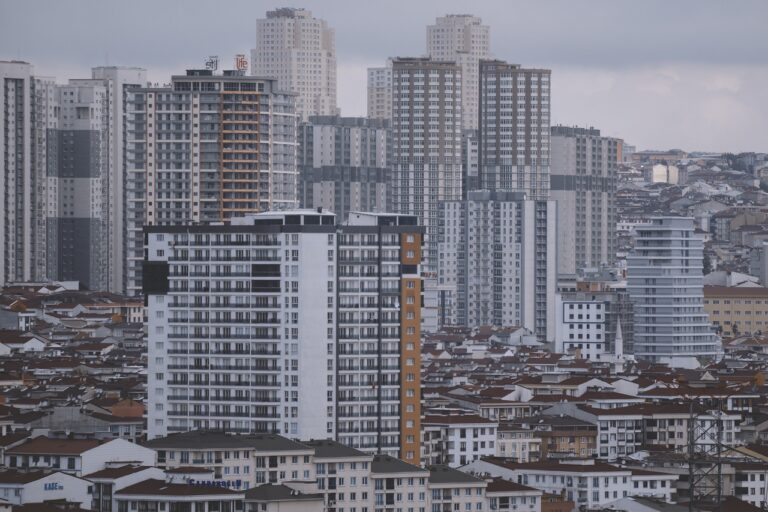
Didim is a photographer’s dream disguised as a beach resort. The ancient columns of the Temple of Apollo rise out of golden fields, the long curve of Altinkum Bay frames endless sunsets, and the everyday life of the town offers the candid shots that travel memories are made of. Whether you shoot with a professional camera or a phone, these are the spots that deserve a place in your frame.
The Temple of Apollo at Golden Hour
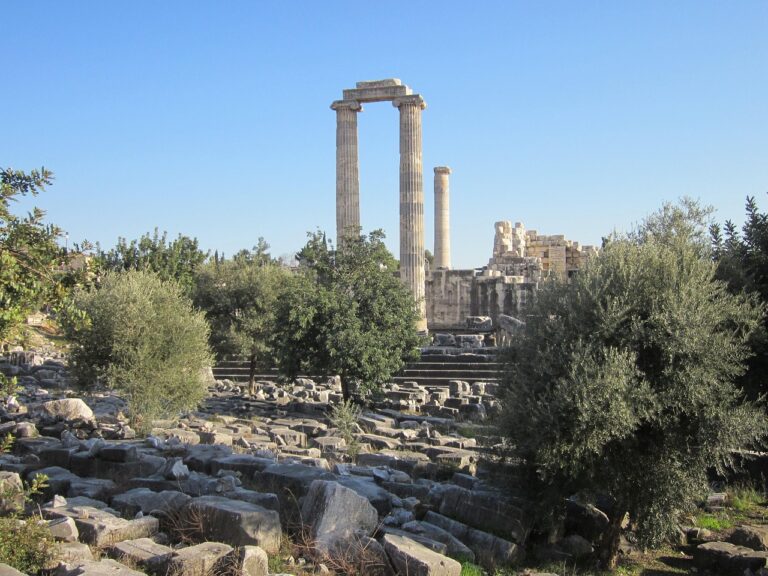
The Temple of Apollo is the icon of Didim, and the golden hour is its finest moment. As the sun drops toward the horizon, the marble columns catch a warm honey light, and the ancient stone glows against the darkening sky. The site closes to visitors at dusk, so arrive in the late afternoon, pay your visit, and stay to watch the light change as closing time approaches.
The best angles come from the raised ground to the west of the temple, where the columns line up against the sun, and from the low positions that make the surviving columns tower over the frame. The details matter too: the carved heads, the unfinished column drums, and the worn steps all tell the temple’s story in close-up. Bring a lens that handles low light, because the last minutes before closing are the most beautiful.
The Columns Up Close
Beyond the grand views, the Temple of Apollo rewards the close look. The ancient builders left their marks everywhere, from the ornate carving at the bases of the columns to the smooth-worn surfaces that centuries of pilgrims have touched. The close-up photography of these details builds a portfolio that the wide shots alone cannot match.
The famous Medusa heads, carved in the ancient stone, are among the most photographed details, and the hunt for the small stories in the stone becomes its own game. Morning light rakes across the carving and brings out the depth, while the flat midday light is better for the overall shapes. Take your time, work the details, and the temple gives you a full set of images from one visit.

Altinkum Beach
The long curve of Altinkum Beach is the second icon of Didim, and it photographs differently at every hour. In the morning, the empty sand and the calm sea give clean, minimal frames with soft light. At midday, the beach is a study in summer life, with the umbrellas and the crowds making a colorful pattern from above. In the evening, the golden light and the long shadows bring the bay to its best.
The viewpoints matter. The southern headland looks back across the whole bay, giving the classic panorama with the town behind the sand. The pier and the promenade give the lower, human-scale shots, with the swimmers, the families, and the beach life in the foreground. A telephoto lens from the headland compresses the scene, while a wide angle from the sand captures the sweep of the bay.
The Sunset Pier
The pier that reaches into the bay is the sunset stage of Didim. As the evening approaches, the pier fills with walkers, anglers, and photographers, all pointing at the same slow-burning sky. The shots from the end of the pier look back along the coast, with the town lights beginning to twinkle as the sky darkens.
The pier itself makes a strong subject. Photograph it from the beach with the sunset behind, or shoot along its length with the silhouettes of the people and the railings leading the eye to the horizon. The last ten minutes before the sun drops are the magic ones, and the afterglow that follows is often better than the sunset itself. Stay late, and the bay delivers the full sequence.

The Marina and the Harbour
The small marina at the edge of the resort offers a different set of frames. The boats at their moorings, the ropes and the rigging, and the reflections in the calm water all build a nautical portfolio that contrasts with the beach scenes. The morning light here is clean and the water is still, giving crisp reflections and clear colors.
The harbour life adds the human element: the fishermen at work, the boat owners polishing their decks, and the cafe life along the water. The walk along the marina gives a gentle succession of scenes, and the low sun of the late afternoon turns the boats and the water to gold. The marina photographs best when the light is low and the water is calm.
The Streets of Didim
The streets behind the beach hold the everyday Didim that the postcards miss. The bazaar lanes with their hanging goods, the cafe tables spilling into the streets, and the shopfronts with their signs and their colors all build a lively street portfolio. The morning is the quiet time for these shots, and the evening is the lively one.
The street photography here is easy and relaxed. The locals are used to cameras and mostly happy to be asked, and a smile and a greeting open most doors. The details are everywhere: the tea glasses, the cats on the walls, the painted shutters, the market stalls. Slow down, walk the back streets, and the town reveals its character one frame at a time.

The Coast and the Coves
Beyond the resort, the Didim coastline offers wilder scenes. The northern shore stretches away in long sandy beaches and low dunes, with big skies and few people, while the southern coves tuck between rocky headlands with clear water and olive groves above. These are the shots that show the Aegean coast as it was before the resorts.
The headland walks give the elevated views, with the bays curving below and the sea stretching to the horizon. The light through the early morning and the late afternoon is the best for the coast, and the clear winter days bring the mountains of the region into view across the water. A car opens up this coastline, and the reward is a set of images that go beyond the resort.
Night Photography
After dark, Didim gives the long-exposure photographer a playground. The promenade lights reflect in the wet sand and the calm sea, the bars and the restaurants throw colored light across the street, and the night sky over the bay holds its own quiet beauty. A tripod and a slow shutter turn the evening promenade into streaks of light and color.
The temple is a striking night subject too, lit against the dark sky, though access is limited after closing. The beach at night, with the town lights along the bay and the stars above, makes the atmospheric frames that end a photography day perfectly. The key to night photography here is patience, a steady tripod, and the willingness to stay out after the crowds go home.

Practical Photography Tips
A few practical habits make the photography in Didim smoother. The midday light is harsh, so plan the serious shooting for the first two hours of the morning and the last two of the afternoon. The sun protection applies to the camera as much as to you, and a lens cloth fights the sea spray and the fine sand that drift over everything.
The light changes fast at sunset, so set up before the moment rather than during it. Carry spare batteries and cards, because the warm evenings encourage long sessions. And keep the camera accessible rather than buried in a bag, because the best frames in Didim are the ones you catch on the way to somewhere else.
Building Your Portfolio
Think of Didim as a series of sets rather than a list of single shots. The temple set, the beach set, the marina set, and the street set each tell part of the story, and together they build a complete portrait of the resort and its surroundings. The sequence matters as much as the individual images.
Edit with the story in mind: the wide establishing shots, the mid-distance scenes, and the close-up details working together. And include the human element, because the people of Didim, the swimmers, the stallholders, the anglers, give the images their life. A portfolio that mixes the ancient and the modern, the empty and the busy, tells the real story of the town.
The Seasonal Light
The light of Didim changes with the seasons, and each season gives the photographer something different. In the summer, the sunsets are long and slow, the sky fills with color, and the evenings stretch late, while the heat keeps the midday hours empty of both people and good light. The summer mornings, with the sea glassy and the beach clean, are the reward for the early risers.
The spring and the autumn bring softer light and clearer air, with the wildflowers on the headlands and the golden fields around the temple adding color to the frames. The winter brings the strongest light for the landscapes, with the low sun and the dramatic clouds, and the empty beaches that make the minimal frames. Photographers who return in different seasons find that Didim never quite looks the same.
Frequently asked questions
What is the best time of day for photography in Didim?
The first two hours after sunrise and the last two before sunset give the best light. The golden hour at the Temple of Apollo is the classic moment, and the sunset sequence from the pier and the beach is the daily highlight. The midday light is harsh and flat, so use those hours for resting or for the shaded street scenes.
Where can I photograph the Temple of Apollo?
The temple is a public archaeological site, open during the day with a modest entry fee. The best angles come from the raised ground to the west and from the low positions among the columns. Arrive in the late afternoon to combine the visit with the golden light, and photograph the carved details in the morning light.
Is it easy to photograph people in Didim?
Yes, with respect. The locals are used to visitors and cameras, and most are happy to be photographed if you smile and ask first. The beach and the promenade offer natural candid scenes, and the markets and the bazaars are full of willing subjects. A friendly greeting opens more doors than an expensive lens ever will.

All Over Information
The All Over Information editorial team researches and writes practical English-language guides to Turkey. Facts are checked against official and local sources before publication, prices are published as dated ranges rather than quotes, and guides are revised when things change. We accept no sponsored posts, paid placements or paid links.
More guides like this

Nightlife Guide to Didim
When the sun goes down in Didim, the resort changes gear. The beach empties, the promenade lights up, and the town settles…
A First-Timer’s Guide to Didim
Didim sits on Turkey's Aegean coast as a resort town with a serious ancient heart.

Didim in Winter: What to Expect
Winter transforms Didim. The summer crowds are gone, the sunbeds are stacked, and the resort town reveals its quieter, more authentic self.

A Solo Traveler’s Guide to Didim
Didim might not be the first name that comes to mind for solo travel in Turkey, but it deserves a closer look.
Didim Airport and Transport Guide
Getting to Didim is straightforward, and once you are there, the resort is easy to move around.