Harran is one of the most extraordinary places in Turkey — an ancient town on the Mesopotamian plain whose history reaches back to the dawn of civilization, and whose beehive houses, the domed mud-brick dwellings that give the town its distinctive skyline, are among the most unusual architecture in the world. It was an ancient city of the Bible, a center of learning where scholars gathered, and a place that has been inhabited for thousands of years — and today its ruined walls, its castle, and its beehive houses make it a destination like no other in the region. For first-timers, Harran is a revelation: a place where the deep past and the living present meet on a flat, golden plain. This guide covers what Harran actually is, how to get there, what to see, and the practical realities that make a first visit run smoothly.
What Harran Actually Is
Harran sits on the Mesopotamian plain in southeastern Turkey, in the province of Şanlıurfa, about 40 kilometers south of the city of Şanlıurfa, near the border with Syria. It is one of the oldest continuously inhabited places in the world — mentioned in the Bible as the place where Abraham is said to have lived before journeying to Canaan, and known to the ancient world as a center of astronomy, religion, and learning.
The town’s great physical inheritance is its ruins and its houses. The ruins of ancient Harran — the great city walls, the castle on its mound, and the remains of the ancient settlements — stand on the plain, and the beehive houses, the domed mud-brick dwellings that have been built here for centuries, give the modern village its distinctive skyline. The beehive houses are not a relic but a living tradition — families still live in them, and they are the symbol of Harran.
The honest character: Harran is a place of deep history and living tradition on an open plain — a small village with ruins and beehive houses rather than a grand site. It is quiet, remote, and genuine, and its appeal is the extraordinary past and the unusual present meeting in one place.
Getting to Harran
Harran is on the plain, and the journey is part of the experience:
- By air: fly to Şanlıurfa Airport (GNY), about 50 kilometers away. The drive from the city to Harran takes about 40 minutes.
- By road: the road from Şanlıurfa crosses the plain to the town — flat, golden, and ancient, with the sense of the landscape of Mesopotamia.
- By car: a car is the practical way — the drive from the city is easy, and a car also covers the region’s other sites.
- By public transport: dolmuş connects Şanlıurfa to Harran, and the town is walkable once you arrive.
The drive across the plain, with the ruins and the beehive houses appearing on the horizon, is the approach that sets the scene.
The Visitor Experience
The ruins. The ancient city’s remains stand on the plain: the great city walls, some of the oldest and most massive in the region, the castle on its mound, and the scattered ruins of the ancient settlement. The site is largely open and unexcavated, and the walking among the walls and the ruins gives the sense of the ancient city.
The beehive houses. The beehive houses are the town’s signature — the domed mud-brick dwellings with their distinctive shape, built without any timber, in a tradition that reaches back for centuries. Some are still lived in; some are open to visitors, showing the domed interiors and the life of the houses.
The castle. The castle on its mound, at the edge of the ruins, gives the views over the plain and the remains of the ancient city — the landmark of the site.
The village. The modern village, with its beehive houses and its life, is the living Harran — the families, the market, and the everyday life of the town on the plain.
The plain. The Mesopotamian plain around the town, flat and golden under the immense sky, is part of the experience — the landscape that has seen the history of the town.
Practical Realities for First-Timers
- The season. Harran is on the hot plain — the spring and the autumn are the comfortable seasons, and the summer is extremely hot. The winter is cold.
- The site. The ruins are largely open and unexcavated — the comfortable shoes, the water, and the sun protection matter, and the walking is real.
- The region. Harran is best combined with the city of Şanlıurfa and the region’s other sites — the archaeological sites and the landscape of the plain.
- Language. Less English is spoken than in the west; a few phrases and a translation app go a long way.
- Money. Cash is easier in the small places and the village.
- Getting around. The town is walkable; a car unlocks the region around it.

What to See Around Harran
The town is the centerpiece, but the region around it holds more:
- Şanlıurfa. The city to the north — the “city of prophets,” with its old town, its bazaars, and its sites — is the region’s base and its history.
- Göbekli Tepe. The extraordinary Neolithic site, a short drive away — the oldest monumental structures in the world — is one of the great archaeological sites of the planet.
- The plain. The Mesopotamian plain and its villages, with their history and their life, reward the drive.
Where to Eat
The food of the region is the cuisine of the southeast — one of the great tables of Turkey: the kebabs, the meze, and the sweets. The village and the city of Şanlıurfa serve it, with the regional cooking at its source.
A First-Timer’s Itinerary Suggestion
- Day 1: arrive in Şanlıurfa, and a half-day at Harran — the ruins, the beehive houses, and the plain.
- Day 2: the region — Göbekli Tepe, the city, and the sites — and packing.
The Practical Visiting Notes
A few details make the visit smoother. The site is largely open and unexcavated, so the comfortable shoes, the water, and the sun protection matter more than almost anything — the walking among the ruins and the walls is real, and the plain offers little shade. The beehive houses are partly lived in and partly open to visitors, so the respect for the village’s life and the permission for the photos belong with you. The region’s climate is extreme — the spring and the autumn are the comfortable seasons, and the summer’s heat and the winter’s cold call for the preparation. And because Harran is a small, genuine place, the visit is best at a slow pace — the ruins, the houses, and the plain reward the time. Handle those details, and the ancient town delivers the wonder that its history promises.
The Region’s Base: Şanlıurfa
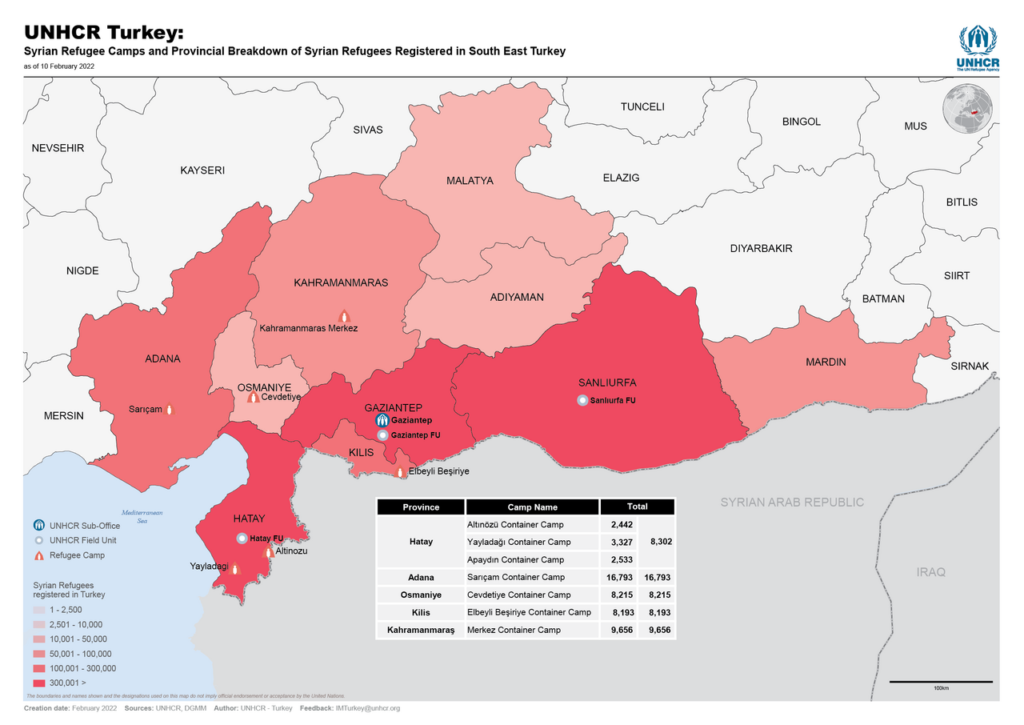
Most visitors to Harran base themselves in the city of Şanlıurfa, about 40 kilometers to the north — the “city of prophets,” with its old town, its bazaars, its pools and its sites, and the food of the southeast. The city gives the accommodation, the restaurants, and the transport, with Harran as the day trip across the plain. The two belong together: the city’s history and the plain’s ancient town, the region’s sites and its life. The traveler who bases in Şanlıurfa and visits Harran gets the region whole — the city of prophets and the town of the beehive houses, the deep past and the living present of the southeast.
The Takeaway
Harran is one of the extraordinary places of Turkey — an ancient town on the Mesopotamian plain, with the ruins of a city that has seen millennia and the beehive houses of a living tradition. It is quiet, remote, and genuine, and its appeal is the deep past and the unusual present meeting in one place. Come for the ruins and the houses, the plain and the history, and leave understanding why this small town on the ancient land is like nowhere else.
Frequently asked questions
What is Harran famous for?
Its ancient history — a city mentioned in the Bible and inhabited for thousands of years — and its beehive houses, the domed mud-brick dwellings that are among the most unusual architecture in the world.
How do I get to Harran?
Fly to Şanlıurfa and drive about 40 minutes across the plain, or take the dolmuş from the city.
Is Harran worth the visit?
Yes — the deep history and the living tradition, on the ancient plain, make it one of the most extraordinary places in the region.
What are the beehive houses?
The domed mud-brick dwellings of the town, built without any timber in a tradition reaching back for centuries — the symbol of Harran.
When is the best time to visit?
The spring and the autumn — the comfortable seasons of the hot plain. The summer is extremely hot.
Is Harran good to combine with the region?
Yes — it is best combined with Şanlıurfa and Göbekli Tepe, the region’s great sites.

All Over Information
The All Over Information editorial team researches and writes practical English-language guides to Turkey. Facts are checked against official and local sources before publication, prices are published as dated ranges rather than quotes, and guides are revised when things change. We accept no sponsored posts, paid placements or paid links.
More guides like this
Photography Spots in Harran You Can’t Miss
Harran is one of the most distinctive photographic destinations in Turkey — a place where the beehive houses, the ancient ruins, and…

Top 10 Things to Do in Harran
Harran is a place where the list of things to do is short, deep, and centered on the extraordinary: the ruins of…
The Best Day Trips from Harran
Harran is a destination you could build a whole trip around — the ruins, the beehive houses, and the plain could fill…
Best Time of Year to Visit Harran
Harran is a destination of seasons, and the season you choose changes the character of the visit — and even the rhythm…

Shopping Guide: What to Buy in Harran
Harran is an ancient town on the Mesopotamian plain, and the shopping around it is the shopping of the region — the…
A Foodie’s Guide to Harran
Harran sits at the heart of one of the great cuisines of Turkey — the table of the southeast — and for…