Turkey is a country of kebab cities, and each one argues passionately that it holds the crown. The good news for you is that you can decide for yourself, city by city, skewer by skewer. From the fiery specialty of Adana to the butter ceremony of Bursa, from the smoky isot of Şanlıurfa to the street döner of Istanbul, this guide maps the kebab landscape of Turkey and tells you exactly where to point your appetite.
The Kebab Map of Turkey
Draw a line across southern and central Turkey and you will trace the spine of the kebab world. The southeast is the heartland of minced-meat kebab, while the west is the home of döner and its elegant offshoots.
Adana and Şanlıurfa anchor the southern tradition with their famous flat-skewered kebabs. Bursa, in the northwest, claims the Iskender and a slice of history. Istanbul, the great crossroads, gathers every style under one roof.
Erzurum, in the far east, defends the cağ kebab, and cities like Gaziantep add their own grilled specialties to the map. Each stop on this map has something distinct to teach you about the craft.
Plan your kebab travels as a journey, not a checklist. Every city will surprise you, because the kebab you think you know always has one more local secret to reveal.
The kebab traveler should also note the seasons. The great kebab cities are at their liveliest in the spring and autumn, when the weather suits long evenings at the grill, and summer in the southeast demands patience with the heat. Plan your stops around the climate, and let the rhythm of the cities guide your appetite.
Adana: The Spicy Capital
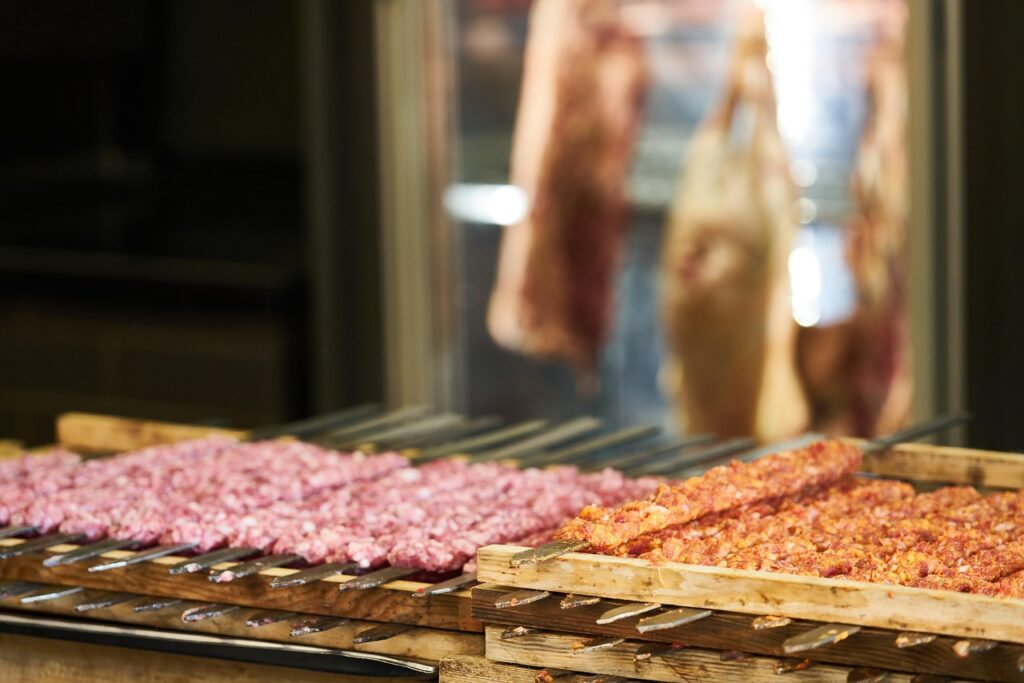
Adana is the fiery heart of Turkish kebab. The city’s name is inseparable from its signature dish: hand-minced lamb with tail fat and red pepper, pressed onto wide skewers and grilled over charcoal.
Eating kebab in Adana is a serious business. The city’s kebab houses take pride in their technique, and locals will happily explain why their version is the only true one.
The heat is real, but it is balanced by the fat and the charcoal, so the kebab tastes of smoke and sweetness as much as fire. Order ayran or şalgam to keep the pepper company.
Adana rewards the adventurous traveler. Come hungry, embrace the spice, and let the city convince you that its kebab is the greatest in the land.
To eat like an Adana local, order a mixed plate if you are not sure where to begin, so you can compare the styles the city offers. And remember that the side dishes matter as much as the meat, so do not skip the grilled vegetables and the onion salad that arrive with the kebab.
Şanlıurfa: The Milder Masterpiece
Şanlıurfa, the city of prophets and legends, answers Adana with a kebab that needs no fire to win you over. Urfa kebab uses the same minced lamb and the same wide skewers, but its soul is isot.
Isot is the dark, sun-cured pepper of the region, mildly sweet, faintly smoky, and deeply aromatic. It gives the Urfa kebab a gentle warmth and a complexity that builds slowly with each bite.
Urfa tables are generous. The kebab arrives with grilled tomatoes, peppers, onions, and lavash, and the meal stretches comfortably into the evening, as meals should.
If Adana is a shout, Urfa is a whisper, and the contrast between the two cities is one of the great pleasures of kebab travel. Visit both and taste the range of the craft.
Bursa: The Home of Iskender
Bursa, the first capital of the Ottoman Empire, gave the world one of its most theatrical dishes. Iskender kebab layers sliced döner over pide bread with tomato sauce and yogurt, all crowned with melted butter poured at the table.
The story goes that Iskender Efendi created the dish in the nineteenth century, and the city has been perfecting it ever since. For many, a trip to Bursa is incomplete without the ceremony.
Watch how the locals eat it. They slice the meat, dip the bread into the tomato sauce, and let the butter do its work, savoring every element in turn.
Bursa is also a beautiful city of mosques and markets, so the kebab can anchor a full day of sightseeing. Arrive hungry, order with confidence, and let the butter pour.
Istanbul: The Kebab Melting Pot
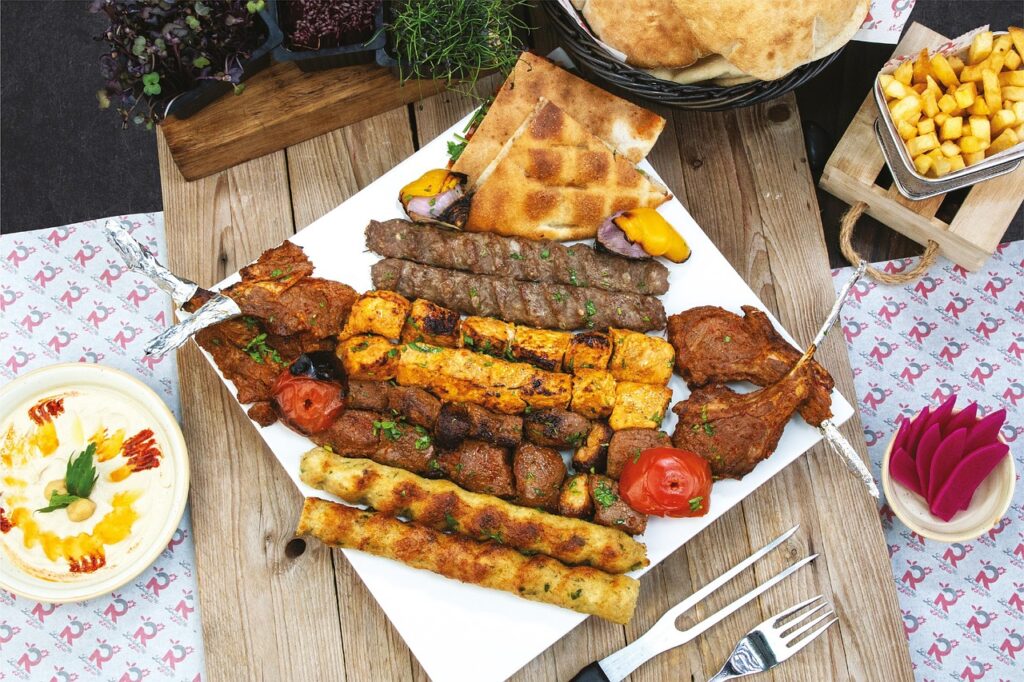
Istanbul is where every kebab tradition comes to meet. The city’s kebab houses range from century-old institutions to tiny neighborhood ocakbaşı counters, and the quality is astonishingly high.
In the old city, you will find kebab houses that have served travelers for generations, with menus that read like a map of Anatolia. In Beyoğlu and beyond, modern ocakbaşı restaurants keep the fire tradition alive.
Street döner is the everyday face of Istanbul kebab. Crisp-edged slices in warm bread with tomato and onion make the best quick lunch in the city, eaten standing or on the move.
Because Istanbul draws cooks from every region, you can compare Adana, Urfa, and Iskender without leaving the city. It is the perfect place to begin your kebab education.
One piece of Istanbul advice: the best kebab houses are not always the most famous ones. Wander beyond the main tourist streets, follow the lunch crowds, and you will often find a neighborhood ocakbasi serving food that rivals any institution in the city.
Gaziantep and the Southeast
Gaziantep, famous for its baklava, is also a serious kebab city. Its grilled meats, from Ali Nazik kebab to beyran soup, deserve a place on any food itinerary.
Ali Nazik is the local masterpiece: grilled lamb served over smoky mashed eggplant with garlic yogurt. The contrast of charred meat and cool yogurt is unforgettable.
Beyran, a spicy lamb and rice soup, is the other great specialty, served in the early morning hours to those who know where to find it. The southeast is full of such rituals.
The wider southeast, including cities like Antep, Mardin, and Diyarbakır, offers a kebab landscape far beyond the famous names. Give yourself time to explore and you will be richly rewarded.

Erzurum and the Cağ Kebab
In the eastern highlands, Erzurum defends a different tradition. Cağ kebab is lamb roasted on a horizontal spit, carved off in thin, juicy slices as it turns.
The technique is ancient, and the eating style is communal. Slices are piled onto plates with flatbread and grilled vegetables, and the meal is meant to be shared.
Cağ kebab has become famous beyond Erzurum in recent years, with specialist houses opening in Istanbul and other cities, but the highland original remains the benchmark.
If your itinerary reaches eastern Turkey, make the detour. The mountain air, the sheep farms, and the ancient technique combine into one of the country’s most authentic kebab experiences.
Cağ kebab is usually eaten with a knife and fork, sliced directly onto the plate, and the ritual of watching the meat come off the spit is half the pleasure. Ask the server how it is cooked and you will likely receive a proud lecture on the technique.
Ankara and Central Anatolia
The capital is not famous for inventing kebab, but it is a serious place to eat it. Ankara’s kebab houses draw on the best of every region, serving miners, officials, and travelers alike.
Central Anatolia also offers its own grilled specialties. Ankara’s city cuisine includes Ankara tava, a baked lamb and rice dish that shares the grill’s spirit, and the region’s lamb is among the country’s best.
Ankara döner is a local institution, and the city’s kebab houses are known for generous portions and honest prices. It is the capital’s quiet answer to the loud claims of the south.
Because Ankara draws people from every province, its kebab houses are a living survey of the national style, making the city an underrated stop on any kebab journey.
Whatever the season, the capital kebab houses are easy to spot by their queues at lunchtime. Government offices close for the midday meal, and the city workers know exactly where to go, making the lunch hour a reliable guide to the best tables in town.

How to Spot a Great Kebab House
A great kebab house announces itself before you enter. Look for a visible charcoal grill, real flames feeding real coals, and a cook whose hands never stop moving.
Check the crowd. Locals vote with their feet, so a full room at lunchtime is worth more than any review. If families are eating there, trust it.
Watch the bread. Fresh lavash and pide, made or warmed on site, are a reliable sign of a serious kitchen. Stale bread means a short-cut has been taken.
Finally, trust the smell. A proper kebab house smells of charcoal and spice, not of reheated food. Follow your nose, and it will rarely lead you astray in Turkey.
Planning Your Kebab Road Trip
A kebab road trip is one of the great food journeys of the world. Start in Istanbul to taste the full range, then head south to Adana and Şanlıurfa for the minced-kebab masters.
From the southeast, cross to Gaziantep for its grilled specialties, then swing west to Bursa for the Iskender ceremony. If time allows, extend east to Erzurum for cağ kebab.
Pace yourself. A serious kebab day rarely fits more than two meals, and the afternoon heat of the south argues for a long lunch and a longer rest.
Keep notes on your favorites, because you will be asked. Every traveler returns from Turkey with a kebab opinion, and the best ones are earned city by city.
Finally, travel with an open mind and a flexible itinerary. A chance recommendation from a stranger, a smell drifting from a side street, or a queue outside an unmarked door can be the highlight of the whole trip. The best kebab in Turkey is often the one you were not looking for.
Frequently asked questions
Which city has the best kebab in Turkey?
There is no single answer, and Turks love to argue about it. Adana is famous for its spicy minced kebab, Şanlıurfa for its mild isot version, Bursa for Iskender, and Erzurum for cağ kebab. Try several cities and decide for yourself.
Is street döner in Istanbul good?
Yes, Istanbul street döner is a beloved local institution. Look for a busy shop with a real vertical spit, freshly carved meat, and a quick turnover of customers. The classic sandwich with tomato and onion is one of the city’s best cheap meals.
What is the best time of day to eat kebab?
Lunch and dinner are both traditional, but döner is a lunch staple and ocakbaşı grills shine at dinner. In the southeast, some specialties like beyran are traditionally eaten in the early morning. Follow local rhythms and you will eat at the right time.

All Over Information
The All Over Information editorial team researches and writes practical English-language guides to Turkey. Facts are checked against official and local sources before publication, prices are published as dated ranges rather than quotes, and guides are revised when things change. We accept no sponsored posts, paid placements or paid links.
More guides like this

How to Make Authentic Simit at Home
Simit, the sesame-coated bread ring of the Turkish street, looks like the work of a specialist, but it is surprisingly achievable in…

The History Behind Urfa Kebab
Every famous dish has a story, and Urfa kebab has the story of a whole region behind it.

Where to Find the Best Midye Dolma (Stuffed Mussels) in Turkey
Midye dolma is a dish of places.

Tipping in Turkish Restaurants: What’s Expected
Tipping rules are rarely written down, which makes them confusing for travelers.

The Ultimate Guide to Kebab
If you are heading to Turkey, kebab will almost certainly find its way onto your plate, and that is a very good…

Turkish Delight (Lokum) Vs. International Variations: What Makes It Turkish
Turkish delight is known around the world, yet the sweet sold abroad under that name is often a poor cousin of the…