Zonguldak is unlike any other city on Turkey’s Black Sea coast. Built on coal, it is a city of steep hills, terraced neighborhoods, and a proud mining heritage that runs deeper than anywhere else in the country. The dark nickname given to its coal, the black diamond, captures the whole story. Yet beyond the mines lies a coast of beaches, caves, ancient ruins, and small towns with enormous charm.
This guide covers everything a first-timer needs: how to arrive, where to stay, what to see, and how to eat like a Zonguldak local.
Getting to Zonguldak
Zonguldak sits on the Black Sea coast, roughly halfway between Istanbul and the eastern end of the sea. The city has an airport with domestic flights, and the nearest major hubs are Ankara and Istanbul, both connected by road and by bus services that run along the coast. The coastal road itself is a scenic part of the journey, passing green hills and sea views.
Once in the city, the steep terrain makes walking a workout, but the center and the waterfront are manageable on foot. For the surrounding towns, the coast road and the regular minibuses connect everything from Ereğli in the west to Filyos and beyond. A car is the most flexible option for exploring the region, since the coast and the interior towns are spread along scenic roads that reward stopping.
Where to Stay in Zonguldak
Accommodation in Zonguldak is mostly practical rather than charming, with hotels in the city center serving business travelers and visitors to the mines. The center is convenient, close to the port, the markets, and the restaurants, and it works well for a night or two, with the main sights of the city within easy reach on foot. The waterfront area offers the best views.
For more character, consider staying in the smaller coastal towns, where guesthouses and pensions overlook the sea. Karadeniz Ereğli, Filyos, and the beach towns of Kozlu and Kilimli each offer a quieter base with local life on the doorstep. Book ahead in summer, when the coast fills with Turkish families on holiday.
The Coal Story
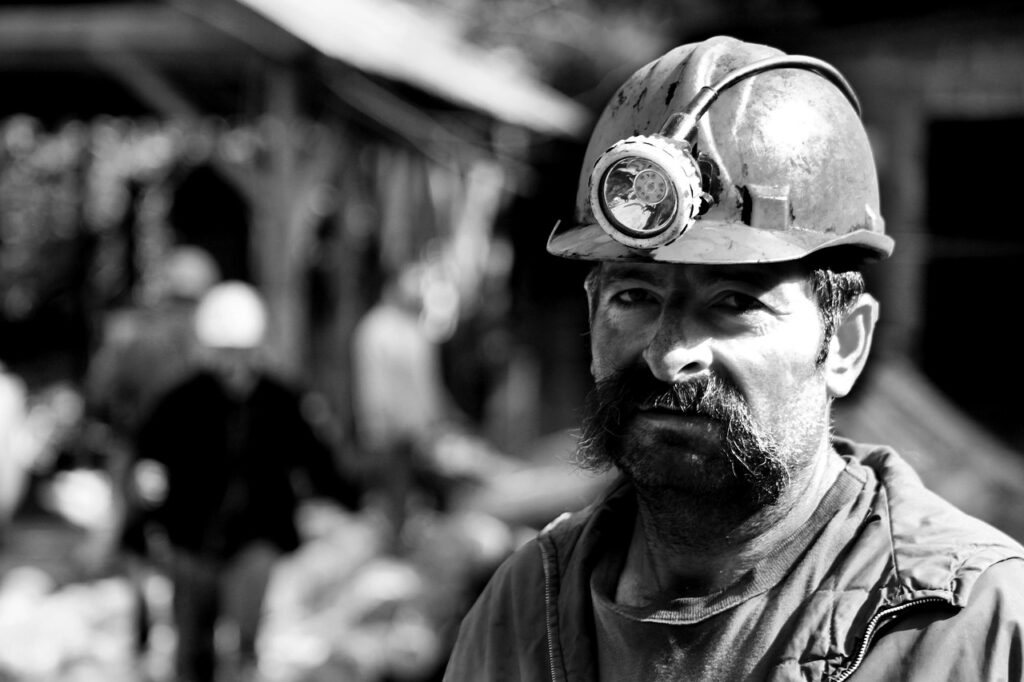
No understanding of Zonguldak is complete without the coal. The story begins in the early nineteenth century, when coal was discovered in the hills behind the coast, and it grew into the industry that built the city and shaped the entire region. For generations, the mines employed the people of Zonguldak, and the city grew around them.
The mining heritage is visible everywhere: the old headframes, the terraced workers’ quarters, and the monuments to the miners who died in the pits. The mining museum in the city tells the story in detail, and the memorials carry the human weight of it. This is the memory that gives Zonguldak its identity, and every visitor should spend some time with it.
The City and the Port
Zonguldak city climbs the hills above a busy port, and its skyline is unlike any other on the coast. The center mixes old public buildings with the markets and cafes of daily life, and the waterfront, with its ships and cranes, is the working heart of the place. The views over the harbor from the hillsides are the classic Zonguldak picture, and the climb through the terraced streets to reach them is part of the experience.
The city is compact enough to explore in a day, with the museum, the markets, and the viewpoints within easy reach. The people are known for their directness and warmth, and the city has a strong sense of its own identity. Take the time to sit by the port, watch the ships, and let the city tell its own story.

Gökgöl Cave
On the southern edge of the city, Gökgöl Cave is one of the largest and most impressive show caves in Turkey. The cave opens into vast chambers filled with stalactites, stalagmites, and rock formations, and the illuminated walk through it takes about an hour. It is cool inside year-round, a dramatic contrast to the summer heat outside.
The cave was known to the miners of the region for generations, and its exploration added a new chapter to the city’s underground story. The setting, where the road passes the forested hills, makes it an easy half-day trip from the center. Bring a light layer and good shoes, and let the scale of the formations do the rest.
Karadeniz Ereğli
West of Zonguldak, the town of Karadeniz Ereğli is the region’s second center and one of its most historic places. Known in antiquity as Heraclea Pontica, the town preserves the legacy of its ancient and medieval past: a Byzantine castle above the harbor, old streets, and a museum with finds from the surrounding area.
The most atmospheric excursion is to the Cehennemağzı Caves, the legendary entrance to the underworld, where mythology says Heracles descended to complete one of his labors. The caves and the castle make Ereğli a full day out, and the harbor restaurants serve the region’s fish. It is the most interesting town on this stretch of coast.
Filyos and Ancient Tios
West along the coast, the small town of Filyos sits on the site of the ancient city of Tios, one of the oldest settlements on the Black Sea coast. The ruins of its castle rise above the beach, and the town has a quiet, unspoiled feel that makes it a pleasant place to slow down. The beach itself is long and sandy, popular with local families.
Filyos combines easily with a swim, a walk around the castle hill, and a simple lunch of fish by the water. The town is at its best in summer, when the beach life is at its fullest, and in the low season it has a lovely, empty atmosphere. It is the easiest escape from the industrial city.
Devrek and the Walking Sticks
The town of Devrek, inland from the coast, is famous across Turkey for a very particular craft: the walking stick. The cane-makers of Devrek have been shaping wood into celebrated walking sticks for generations, and the craft is a point of deep local pride. The town is the place to see the work being done and to buy a genuine example.
Devrek is also a pleasant town in its own right, set among the green hills of the interior, with a lively market and a friendly atmosphere. A visit combines the craft workshops with a walk through the town and a look at the countryside around it. It is a different Zonguldak from the coal coast, and all the better for it.

The Black Sea Table
The food of Zonguldak is the food of the Black Sea, built on the anchovy and the black cabbage. Hamsi, the small anchovy of these waters, appears fried, baked, and in rice dishes, and kara lahana, the dark leafy cabbage, is cooked into soups and stews that define the regional kitchen. The dairy of the region, including the famous cornmeal-and-cheese dishes, completes the table.
The fish restaurants along the coast serve the catch of the day, and the lokantas of the city offer the homestyle dishes of the region. Breakfast in Zonguldak is a generous spread with local cheeses, honey, and bread. Eat where the locals eat, and let the Black Sea feed you well.
Day Trips: Amasra and Safranbolu
Zonguldak makes a fine base for two of the most beautiful places in northern Turkey. Amasra, about an hour and a half up the coast, is a postcard town of castle walls, sea views, and excellent fish restaurants. Safranbolu, the same distance inland, is a UNESCO-listed town of Ottoman houses that is among the most charming in the country.
Both are easy day trips, and they add an entirely different character to a Zonguldak stay. Amasra is the coast at its prettiest, while Safranbolu is the Ottoman past preserved in amber. Between the caves, the ruins, and these two towns, the region around Zonguldak has far more to offer than its reputation suggests.
Practical Tips for First-Timers
A few practical notes will smooth your visit. Turkish is the language of daily life, and English is limited, so learn a few phrases and be patient. Carry cash for the small shops and lokantas. The coast is rainy and mild in winter, and warm and humid in summer, so pack for the season and bring an umbrella in the colder months.
The hills of the city demand comfortable shoes, and the cave is cool inside whatever the weather. Public transport covers the main towns, but a car makes exploring the region far easier. Finally, be curious about the coal story, because it is the key that unlocks everything else about Zonguldak, and take the time to visit the mining museum early in your stay.
Frequently asked questions
Is Zonguldak worth visiting?
Yes, if you want something different from the typical Turkish coast. The mining heritage, the Gökgöl Cave, the ancient ruins of Ereğli and Filyos, and the beaches of the coast give it real variety. It is also a practical base for Amasra and Safranbolu. It suits curious travelers rather than luxury seekers.
How many days should I spend in Zonguldak?
Two days cover the city, the cave, and one of the coastal towns. Three days allow Ereğli or Filyos in full, and a fourth can be spent on Amasra or Safranbolu. If you are passing along the coast, even a single night with the cave and the city is worthwhile.
What is the best time to visit Zonguldak?
Summer, from June to September, is the season for the beaches and the coastal towns, though the city itself is pleasant year-round. Spring and autumn offer mild weather and green scenery. Winter is rainy and cool but quiet, and the cave and the museums make good cold-weather attractions.

All Over Information
The All Over Information editorial team researches and writes practical English-language guides to Turkey. Facts are checked against official and local sources before publication, prices are published as dated ranges rather than quotes, and guides are revised when things change. We accept no sponsored posts, paid placements or paid links.
More guides like this
Day Trip Ideas from Zonguldak
Zonguldak is often treated as a place to pass through, which makes it an unexpectedly good base for exploring.

Top Things to Do in Zonguldak
Zonguldak does not appear on many travel lists, which is exactly why it rewards the visitor who comes.
History and Culture of Zonguldak
Zonguldak is a city built on coal, and its history is unlike any other on the Black Sea.

Best Local Food in Zonguldak
The kitchen of Zonguldak is the kitchen of the Black Sea, and it has a character entirely its own.
Where to Stay in Zonguldak
Zonguldak is a working city rather than a resort, and its accommodation reflects that: practical hotels, family pensions, and a few guesthouses,…