The Istanbul Tulip Festival turns the city into a garden every April, but the story behind the flower is far older than the festival itself. The tulip is one of Istanbul’s deepest symbols, a flower that traveled from the mountains of Central Asia to the Ottoman court, became the emblem of an entire cultural era, and now returns each spring in millions of plantings across the city. Understanding that history transforms a walk through the parks from a simple pleasure into a journey through the city’s soul.
The Tulip’s Anatolian Roots
The tulip’s story begins long before Istanbul existed. The wild ancestors of the flower grew across the highlands of Central Asia and Anatolia, and the people of these lands admired and cultivated the bloom for centuries before it ever reached a European garden. The flower is native to the soil that Turkey now occupies.
The Turks who migrated from Central Asia carried the love of the tulip with them. As they moved into Anatolia, the flower traveled in their culture, appearing in their art, their poetry, and their gardens, and the tulip became one of the signature flowers of the Turkic world.
This deep connection matters for understanding the festival. When Istanbul plants its millions of tulips, it is not importing a foreign fashion; it is restoring a native heritage, bringing home a flower whose wild relatives still grow in the Anatolian hills. The tulip is Turkish in a way few flowers are.
The Ottoman Fascination
The Ottoman Empire turned the tulip into an art form. The sultans and their courtiers cultivated the flower with obsessive care, breeding new varieties, giving the finest blooms poetic names, and filling the imperial gardens of Istanbul with their colors. The tulip became a marker of taste and status.
The flower’s Turkish name, lale, added to its mystique. In the Ottoman alphabet, the letters of lale could be rearranged to spell the name of God, and this calligraphic coincidence gave the tulip a spiritual dimension. The flower was not merely beautiful; it was touched with the sacred.
The Ottomans also gave the tulip to the world. The bulbs that reached the Netherlands in the sixteenth century, setting off the European tulip mania, came from the Ottoman lands, and the flower that Europeans went mad for was, in its origins, a Turkish treasure.

The Tulip Period: An Age of Elegance
In the early eighteenth century, the tulip reached its golden age in Istanbul. The years between the peace of the 1710s and the 1730s are remembered as the Tulip Period, a time when the Ottoman court turned from war to pleasure, poetry, and gardens, and the tulip became the emblem of the age.
The gardens of the Tulip Period were legendary. The sultan and his courtiers held night festivals among the flowers, with the tulips lit by lanterns and tortoises carrying candles moving through the beds, and the city’s elite competed in the elegance of their plantings.
The Tulip Period ended abruptly in a rebellion in the early 1730s, and its gardens faded, but its memory endured. The age left the tulip permanently embedded in the Turkish imagination, a symbol of beauty, pleasure, and a lost world of elegance.
The Tulip as a Symbol
Across the centuries, the tulip has carried multiple meanings in Turkish culture. It is a symbol of beauty and perfection, of the divine name hidden in its letters, and of the fragility of joy, since the flower blooms brilliantly and fades quickly, like the pleasures of the Tulip Period itself.
In Ottoman art, the tulip appears everywhere: on Iznik tiles, on embroidered fabrics, in miniature paintings, and on the ornaments of mosques and palaces. The flower is one of the signature motifs of Ottoman design, instantly recognizable across centuries of objects.
For the modern visitor, the symbol is still alive. The tulip appears in the city’s logos, on its ceramics, and in its markets, and when the festival plants the flower across the city, it is invoking this long chain of meaning. The tulips you see in the parks are the same flower the Ottomans painted.

The Modern Festival’s Beginnings
The modern Istanbul Tulip Festival began in the early 2000s, when the city government launched a campaign to plant tulips across Istanbul. The scale grew quickly, and within a few years the April bloom had become one of the city’s signature events, attracting visitors from around the world.
The timing of the festival is deliberate. April sits in the Turkish spring, between the winter rains and the summer heat, and the tulip is one of the few flowers that can transform an entire city at that season. The planting program turned the festival from a park event into a citywide phenomenon.
The festival also carries an explicit message of heritage. The city’s promotional material celebrates the tulip as a return to Ottoman roots, and the festival is presented as a revival of the gardens of the Tulip Period. The modern event is, in part, an act of cultural memory.
How the Festival Is Organized
The festival’s organization is an impressive logistical feat. The city’s parks department coordinates the planting of millions of bulbs across dozens of locations, designing the displays, arranging the colors, and timing the bloom so that the city peaks in color through April.
The main displays are concentrated in the great parks, with Emirgan Park as the flagship, but the planting extends to the highways, the squares, the roadside beds, and the ferry views. The design is deliberate: the festival is meant to be seen from the ground, from the car, and from the water.
The program changes year to year, with the displays redesigned each spring, so even returning visitors find something new. The festival has become a permanent feature of Istanbul’s spring, planned months in advance and executed with the precision of a major civic project.
Where the Tulips Are Planted
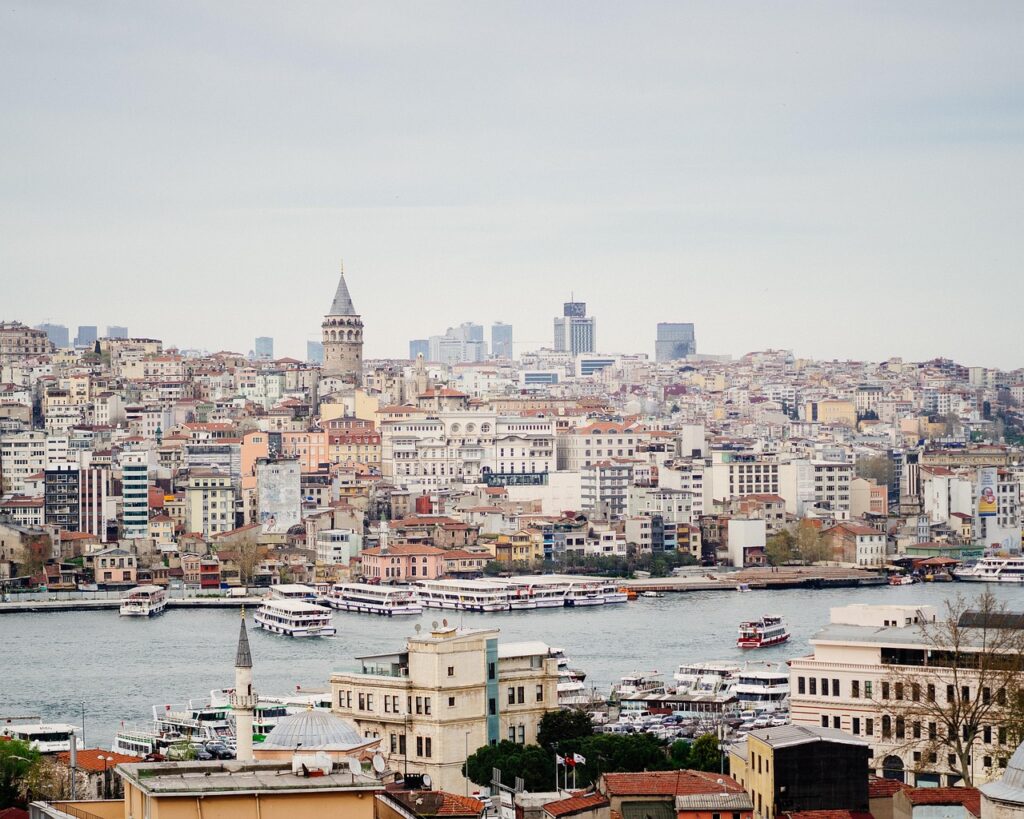
The geography of the festival follows the city’s great public spaces. On the European side, Emirgan Park leads the way, with Gülhane Park, Sultanahmet Square, and the parks of the old city close behind, and the coastal plantings run along the Bosphorus and the Black Sea shore.
On the Asian side, the plantings anchor in Beykoz and the parks of the eastern shore, and the highways of both continents carry their own ribbons of color. The planting is dense in the historic core, where the tulips frame the great monuments, and more scattered across the residential districts.
The result is a festival that belongs to the whole city. The displays are free, public, and woven into the daily landscape, and a resident walking to work in April passes through the festival without buying a ticket. The planting makes the tulip part of everyday Istanbul life.
The Meaning of the Festival Today
For modern Istanbul, the tulip festival carries several meanings at once. It is a celebration of spring, a civic project of beautification, and a tourist attraction, but at its core it is a statement of identity, a way for the city to display its Ottoman heritage proudly.
The festival also reflects the city’s relationship with its past. Istanbul is a city of layers, and the tulip connects the modern metropolis to its Ottoman centuries in a way that is visible, public, and beautiful. The flower is a bridge across the centuries.
And the festival is a gift to the city’s people. In a crowded metropolis, the spring bloom turns the public spaces into gardens, giving every resident a share of beauty. The tulips belong to everyone, and that generosity is part of the festival’s meaning.
Tulips in Turkish Art and Design
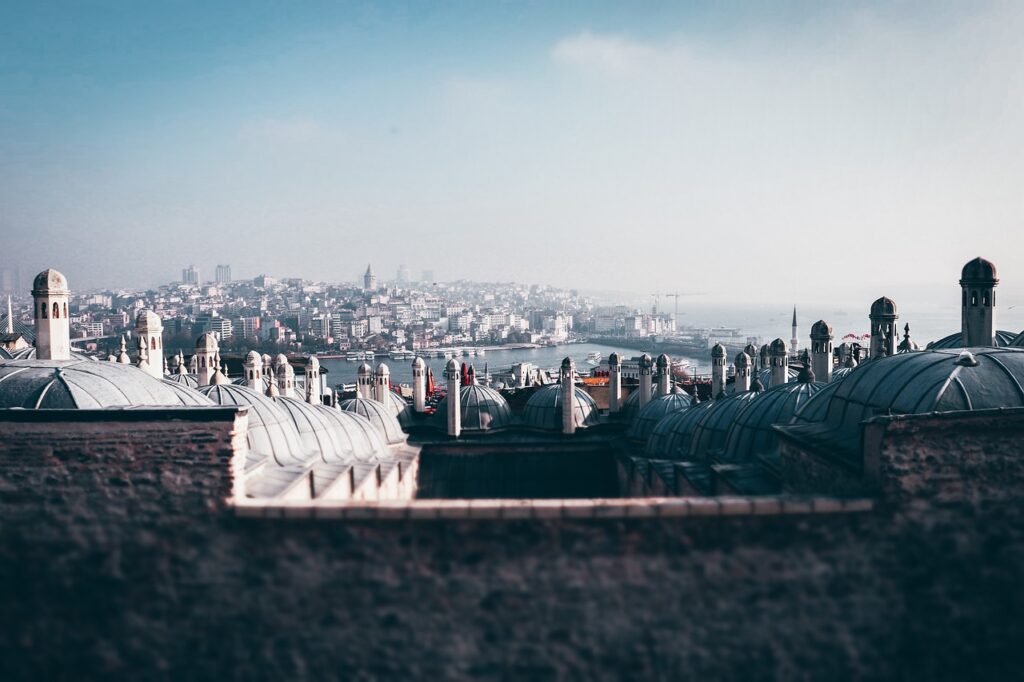
The tulip’s influence on Turkish design is everywhere once you start looking. The classic Iznik tiles, the ceramics of the Ottoman golden age, feature tulips in their blue-and-white and multicolored patterns, and the motif carries into the modern ceramics sold across the country.
Textiles and embroidery use the same flower, and the tulip appears in the designs of carpets, kilims, and traditional costumes. The Ottoman painters placed tulips in their still lifes and portraits, and the flower remains a standard motif in Turkish handicrafts to this day.
For the visitor, the tulip provides a thread through Turkish culture. Look at the tiles in the mosques, the ceramics in the bazaars, and the patterns on the textiles, and you will find the same flower that fills the city’s parks in April. The festival and the art are expressions of the same love.
The Festival’s Place in the City’s Identity
The Istanbul Tulip Festival has become one of the city’s defining seasonal events, joining the spring calendar as firmly as the great monuments anchor its geography. For residents, the April bloom is a point of pride, a moment when the city shows its best face.
For travelers, the festival is a rare chance to see Istanbul in a completely different register. The same streets that carry the weight of history turn light and floral in April, and the tulips give the old city a festive, intimate atmosphere that the summer crowds never see.
The festival’s place in the city’s identity is secure. It draws on a heritage of centuries, renews it each spring, and shares it with anyone who happens to be in Istanbul in April. The tulip, the flower of the Ottomans, has found a permanent home in the modern city.
Frequently asked questions
Why is the tulip associated with Turkey?
The tulip’s wild ancestors grew in Central Asia and Anatolia, and the flower was cultivated and prized by the Turks long before it reached Europe. The Ottoman Empire bred and celebrated the tulip for centuries, and the flower became a symbol of Ottoman art, culture, and elegance.
What was the Tulip Period?
The Tulip Period was an era in the early eighteenth century when the Ottoman court turned from war to pleasure, poetry, and gardens. The sultan and his courtiers held legendary night festivals among the tulips, and the flower became the emblem of the age’s elegance.
When did the modern festival start?
The modern Istanbul Tulip Festival began in the early 2000s, when the city government launched a large-scale program of tulip planting across Istanbul. The scale grew rapidly, and the April bloom soon became one of the city’s signature events and a major tourist attraction.

All Over Information
The All Over Information editorial team researches and writes practical English-language guides to Turkey. Facts are checked against official and local sources before publication, prices are published as dated ranges rather than quotes, and guides are revised when things change. We accept no sponsored posts, paid placements or paid links.
More guides like this
Experiencing the Istanbul Tulip Festival as a Foreign Visitor
Every April, Istanbul turns itself into a garden.

When and Where to See Nowruz in Eastern Turkey
Nowruz, the festival of the spring equinox, is one of the most vivid experiences eastern Turkey has to offer, and the timing…

The History and Meaning of Republic Day Celebrations
Every year on October 29, Turkey celebrates Republic Day, the anniversary of the proclamation of the republic in 1923.

When and Where to See the Cappadocia Hot Air Balloon Festival
The Cappadocia Hot Air Balloon Festival is a summer event in one of Turkey's most extraordinary landscapes, and seeing it is a…

Experiencing the Istanbul Film Festival as a Foreign Visitor
Every spring, Istanbul transforms into a city of cinema as the Istanbul Film Festival fills its screens with the best of world…

The History and Meaning of the Cherry Blossom Season in Turkey
Each spring, the cherry orchards of Turkey burst into flower, and the hillsides of the west and the valleys of the interior…