A local SIM card is one of the first purchases you should make after landing in Turkey. It gives you a Turkish phone number, mobile data, and access to the SMS verification that modern life in the country depends on, from banking apps to government systems. Roaming with your home carrier works for a short visit, but for any real stay, a local number is essential.
This guide explains how Turkish mobile services work, what documents you need, how to choose between a physical SIM and an eSIM, and the practical steps of getting connected quickly and legally.
Why You Need a Turkish Number
Almost everything in Turkey now connects to your phone number. Banks send SMS codes for every transaction, government portals verify identities by SMS, delivery services call your number, and landlords and employers expect to reach you on a local line. A foreign number simply does not work for most of these.
A local SIM also solves the cost problem. Roaming charges on home networks are expensive, while Turkish data plans are among the most affordable in the region. For the price of a few days of roaming, you can have a month of local data, calls, and texts.
Finally, the number becomes part of your identity in the Turkish system. It is registered in your name, linked to your residence and tax records, and used by officials to contact you. Getting the number registered properly in your own name from the start avoids problems later.
How the Turkish Mobile Market Works
Turkey has three main mobile operators, all offering prepaid and postpaid services with nationwide coverage. They compete on price, data allowances, and customer service, and all support foreign customers through their retail stores. Coverage is strong in cities and tourist areas, with some gaps in remote rural regions.
The market is regulated, and SIM cards must be registered to a real person’s identity. This rule applies to locals and foreigners alike, and it means you cannot simply buy a card anonymously from a street vendor and expect it to work reliably. Registration links the number to your passport or residence permit.
Tourists can register a SIM against their passport for a limited period of use, while residents register against their residence permit for continuous service. Understanding these two paths, tourist registration and resident registration, is the key to choosing the right plan for your situation.

Physical SIM or eSIM
A physical SIM is a small card that slots into your phone, sold at operator stores, kiosks, and airports. It is the classic option, easy to install, and easy to move between devices. For most residents, the physical SIM is the simplest path, especially since store staff handle the entire registration process for you.
An eSIM is a digital SIM built into newer phones, activated by scanning a code or downloading a profile. It removes the need for a physical card, allows you to keep your home number active alongside the Turkish number, and is ideal for travelers with eSIM-compatible devices. Activation is fast, and no physical store visit is required in many cases.
Choose based on your phone and your needs. If you will stay long term, a physical SIM from a store with your documents is straightforward. If you are visiting briefly or want dual-number convenience, an eSIM is elegant. Some travelers use both: an eSIM for data and a physical SIM for the registered number.
What You Need to Buy a SIM
For a resident buying a physical SIM, the required documents are your passport, your residence permit, and sometimes your tax number. The store copies your documents, registers the number in your name, and activates the card, usually within a short time. Some stores also ask for your address, so bring proof if you have it.
For tourist registration, your passport is the main requirement, and the SIM is activated for a limited period matching your visa validity. The same identity rules apply, but the registration is temporary. If you later receive a residence permit, you can convert the number to resident registration.
Prices vary by operator and plan, and data-heavy plans are common. Bring cash or a card for the initial payment, though most stores accept cards. If your Turkish is limited, operator stores in central locations usually have English-speaking staff, and the transaction is simple enough to complete with gestures and translation apps.

Choosing the Right Plan
Turkish plans are sold as prepaid packages or postpaid contracts. Prepaid is the default for foreigners: you buy a package with data, calls, and texts, and top up when it runs out. Postpaid, where you receive a monthly bill, usually requires residence status and sometimes a deposit or local bank guarantee.
Data packages dominate the market, and heavy data users have plenty of options. Compare the three operators’ current prepaid packages for the best data-to-price ratio, and check coverage in the areas you actually use, because operator quality varies by region.
Consider your usage pattern. If you mainly need data for maps, messaging, and apps, a data-focused package suffices. If you make many calls to Turkish numbers, look for packages with generous calling minutes. Operators change their packages frequently, so compare fresh offers rather than relying on last year’s advice.
Registration and Activation
Registration happens at the point of sale for physical SIMs. The store staff scan your passport, enter your details into the operator’s system, and link the number to your identity. The process is quick, but you should verify that the number is registered correctly in your name before leaving the store.
For eSIMs, activation may be fully digital: you provide your documents, purchase the plan, and receive a QR code or activation profile by email. Some eSIM providers handle identity verification digitally, while others require the same in-person registration. Read the instructions carefully, because the activation steps differ by provider.
After activation, test the SIM immediately: make a call, send an SMS, and browse the web. If anything fails, return to the store or contact support while the transaction is fresh. A SIM that works in the store will work everywhere.

Using Your SIM Day to Day
Your Turkish number becomes the hub of your digital life. Link it to your banking app, your payment services, and your government accounts, and keep it topped up so you never miss a verification code. Prepaid users should monitor their balance through the operator’s app, which also allows top-ups by card.
Data speeds are generally good in cities, and Wi-Fi is widespread in cafes and homes. Consider your home internet separately from mobile data, because a fixed-line connection is usually cheaper for heavy home use than relying on mobile data.
If you travel within Turkey, your SIM works nationwide without roaming charges. If you travel abroad, international roaming is available but pricey, so most expats switch to local SIMs or rely on Wi-Fi when outside Turkey. Your operator’s app usually lets you manage roaming settings easily.
Top-Ups and Managing Your Account
Prepaid accounts are managed through the operator’s app or by purchasing top-up cards. The app shows your remaining data, minutes, and balance, and allows instant top-ups by card payment. Set a reminder to top up before your data runs out, because running dry at an inconvenient moment is easily avoided.
Each operator has its own app with slightly different features, from bill management to international call packages. Spend ten minutes exploring your app when you first buy the SIM; knowing how to check balance, buy packages, and contact support saves time later.
If your number is registered under resident status, keep your registration current. Report passport renewals or address changes to the operator, because the registration must match your official records. A mismatch can cause your line to be suspended until resolved.

Common Pitfalls and Solutions
The most common mistake is buying a SIM from an unregistered vendor or without completing proper registration. Such numbers can be deactivated when the system reconciles identities, and you lose both money and connectivity. Always buy from official operator stores or authorized channels.
Forgetting that tourist registration is temporary is the second pitfall. If your residence permit arrives and you keep using a tourist-registered line, the service may stop. Convert your registration to resident status as soon as you have your permit.
Finally, mismatched name spellings between your passport, tax number, and SIM registration cause headaches across all services. Verify the spelling at every registration point, and fix discrepancies immediately when you notice them.
The operator apps deserve a final mention, because they hold the entire account management in one place. The balance, the package renewals, the data usage, and the support contacts all live in the app, and the notifications keep you informed of expiring packages and promotional offers. Set the app to alert you before your data runs out and before the package expires, because the alerts turn the maintenance from a worry into a routine. The app is the control panel of your Turkish mobile life, and the few minutes spent exploring it at purchase are repaid many times over.
International Calls and Roaming
Calling abroad from a Turkish line costs more than local calls, and most expats rely on messaging apps for international contact. If you call home often, compare the international rates and packages before choosing a plan. Roaming outside Turkey is available but pricey, so most travelers use local SIMs or Wi-Fi abroad, and the operator apps make roaming management simple. Plan the international side of your mobile life, and the costs stay under control.
Frequently asked questions
Can I buy a Turkish SIM as a tourist?
Yes. Tourists can buy a prepaid SIM registered against their passport, and it works for a limited period matching their legal stay. For longer stays, you need resident registration with a residence permit, which allows continuous service.
Is an eSIM available in Turkey?
Yes, all major operators offer eSIM options, and many travel-focused providers sell Turkish eSIM plans online. If your phone supports eSIM, you can activate a Turkish number digitally, often without visiting a store, though identity registration rules still apply.
How much data do I need in Turkey?
That depends on your usage, but data-heavy plans are common and affordable. If you use maps, messaging, and streaming regularly, choose a package with generous data, and remember that home Wi-Fi is usually cheaper for heavy home internet use.

All Over Information
The All Over Information editorial team researches and writes practical English-language guides to Turkey. Facts are checked against official and local sources before publication, prices are published as dated ranges rather than quotes, and guides are revised when things change. We accept no sponsored posts, paid placements or paid links.
More guides like this

Everything You Need to Know About Navigating the Istanbulkart System
The Istanbulkart is Istanbul's universal fare card, the single piece of plastic that unlocks every mode of the city's vast transportation network.

A Foreigner’s Guide to Renting an Apartment
Finding an apartment is one of the most important and most personal tasks you will face in Turkey.
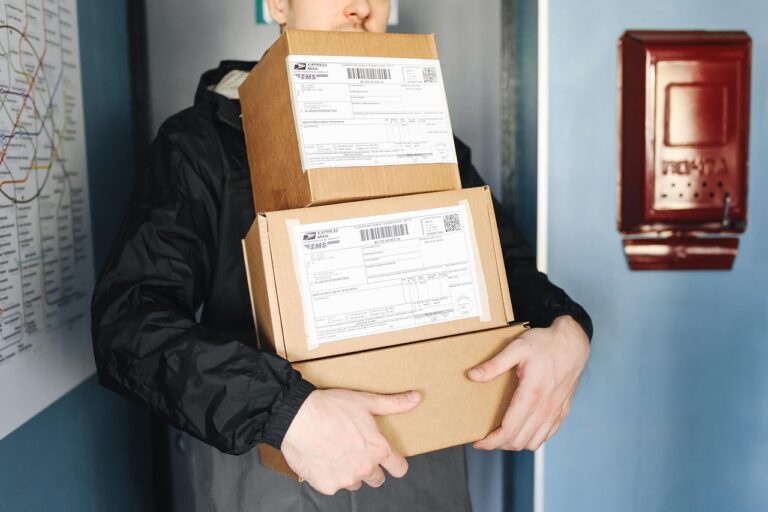
A Foreigner’s Guide to Using Turkish Postal Services (PTT)
When you move to Turkey, the national postal operator, known as PTT, becomes part of everyday life.

A Foreigner’s Guide to Haggling at the Bazaar
Haggling at a Turkish bazaar is a conversation, not a confrontation, and once you understand that, it becomes one of the most…

A Foreigner’s Guide to Avoiding Common Tourist Scams
Turkey is a wonderful and welcoming country, and the vast majority of encounters travelers have are honest and kind.

Everything You Need to Know About Converting a Foreign Driving License
Converting a foreign driving license into a Turkish one is one of those tasks that looks simple until you start, and then…