The timing of the Datça trip shapes the experience: the summer gives the peak of the swimming and the town’s life, the shoulder seasons give the balance of the sun and the space, and the winter gives the quiet of the peninsula. This guide covers the seasons of Datça and helps the traveler choose the time that fits.
The Climate of Datça
The climate of Datça is the Mediterranean one, and the year divides into the distinct seasons. The summers are the hot and the dry ones, with the long days of the sunshine and the sea at its warmest; the winters are the mild and the wet ones, with the rain and the cooler days; and the spring and the autumn are the transitional ones, with the pleasant temperatures and the mix of the weather. The peninsula enjoys the abundant sunshine through the year, and the climate is the classic draw of the coast.
The practical climate note: the sea of Datça warms through the summer and stays the swimmable one into the autumn; the summer heat is the strong one, though the peninsula’s sea breeze keeps the coast the breathable one; and the winter is the mild one, with the daytime temperatures that stay comfortably above the freezing. The climate of Datça is the Mediterranean classic, and the year’s rhythm follows the sun.
The Summer Season (June to September)
The summer is the peak season of Datça, and the peninsula runs at its fullest. The temperatures climb to the high twenties and the thirties, the sea warms to its peak, and the days stretch long and sunny; the bays fill with the swimmers, and the town’s restaurants and the cafes open their full life; the boat trips sail daily, and the evenings run long and warm. The summer is the classic holiday season, and the peninsula delivers the full experience — on the quieter scale than the big resorts.
The practical summer note: the peak months of July and August are the busiest, and the booking comes well in advance; the June and the September edges of the season give the nearly the same sun with the thinner crowds; and the midday heat plans around the pool and the sea. The summer of Datça is the energetic season, and the peninsula lives its fullest in the heat.

The Shoulder Seasons (May and October)
The shoulder seasons of May and October give the balance of the peninsula, and many travelers find them the best of the year. The May brings the warming sun, the blooming countryside, and the sea that begins to welcome the swimmers, with the crowds still thin; the October brings the lingering warmth, the calm sea, and the town easing into the quiet, with the prices falling; both months give the pleasant temperatures for the sightseeing, the hiking, and the exploring. The shoulder seasons give the Mediterranean at its most comfortable.
The practical shoulder note: the May can bring the few cooler days and the occasional showers; the October sea is often warmer than the May one, after the summer’s heat; and the prices in both months undercut the summer ones. The shoulder seasons of Datça give the sun with the space, and the balance suits the travelers who prefer the calm.
The Winter Season (November to March)
The winter of Datça is the quietest season of the quiet town, and the peninsula returns to its local rhythms. The temperatures stay mild by the northern standards, with the daytime highs in the mid-teens, but the rain falls and the sea turns too cool for the swimming; many of the seasonal establishments close, and the town’s life narrows to the year-round places; the hills stay green, and the olive harvest of the season gives the local rhythm. The winter is the season of the local life, and the visitors are the few.
The practical winter note: the winter stays the mild one, and the days of the sunshine break up the rain; many establishments close, so the choices narrow; and the prices drop to their lows. The winter of Datça is the off-season, and it suits the travelers who want the quiet coast and the local life.
The Best Months for the Beach
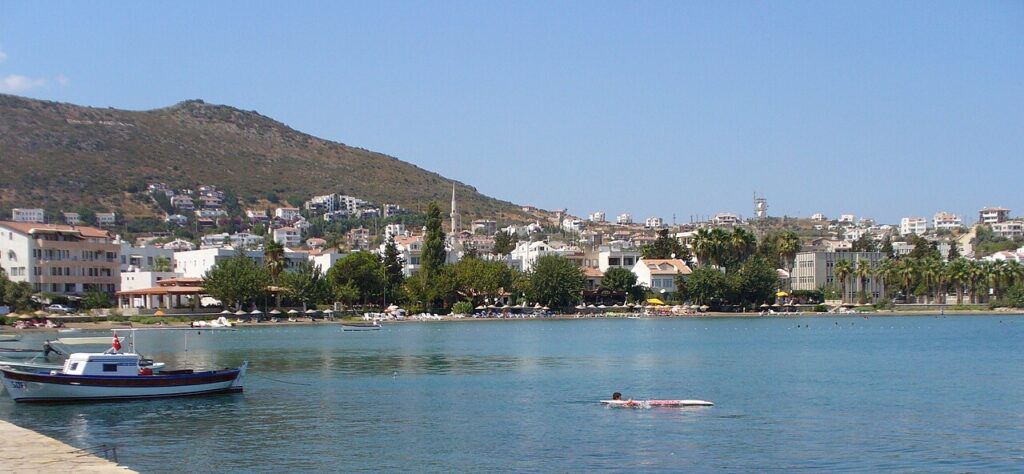
For the beach and the swimming, the best months of Datça run from June through October, with the peak conditions in the height of the summer. The sea of the region warms through the early summer and peaks in August, when the water reaches the mid-twenties; the swimming continues comfortably into the October; and the sunbathing works from the late spring through the early autumn. The beach season of the peninsula is the long one, and the warm months reward the swimmers.
The practical beach note: the August water is the warmest, and the July and the August air the hottest; the June and the September give the pleasant compromise of the warm sea and the softer heat; and the October swimming works for the hardy, with the calm sea and the warm water. The beach months of Datça run long, and the clear water of the peninsula rewards the extended season.
The Best Months for the Sightseeing
For the sightseeing, the walking, and the exploring, the shoulder months of May, June, September, and October are the best of the year, and the pleasant temperatures make the exploring the comfortable one. The summer’s heat makes the midday sightseeing the tiring one, and the Knidos drive and the hill walks reward the morning and the evening hours; the spring and the autumn give the comfortable days for the hiking and the ruins; and the winter gives the mild exploring for the hardy. The sightseeing of the peninsula works through the year, and the shoulder seasons give the best balance.
The practical sightseeing note: the May and the October give the green countryside and the clear air; the summer sightseeing plans around the heat of the midday; and the winter exploring works in the mild days between the rains. The sightseeing months of Datça favor the comfortable seasons, and the exploring rewards the timing.

The Best Months for the Budget Traveler
The budget traveler of Datça finds the best value in the shoulder seasons and the winter, and the prices of the peninsula drop sharply outside the summer. The June and the September give the near-summer experience at the reduced prices; the May and the October give the comfortable holiday at the low-season rates; and the winter gives the cheapest stays of the year, for the traveler who wants the quiet. The flights and the stays both follow the season, and the shoulder months give the sweet spot of the value.
The practical budget note: the booking in the shoulder months brings the prices down; the summer fills the pensions, and the rates rise with the demand; and the winter stays are the bargain of the year. The budget traveler of Datça finds the value in the off-peak months, and the peninsula rewards the flexible timing.
The Events and the Calendar
The events of the coast add the color to the calendar, and the timing of the trip can catch them. The summer brings the festivals and the events of the region — the music, the cultural, and the maritime events; the local celebrations fill the summer calendar; and the shoulder seasons bring the quieter local events. The festival timing adds the experience, and the summer calendar of the region is the fullest one.
The practical event note: the summer events fill the high season, and the exact dates vary by the year; the local festivals of the region bring the music, the dance, and the food; and the off-season events are the quieter, the local ones. The events of Datça add the cultural layer, and the summer calendar is the liveliest.

The Verdict by the Traveler Type
The best time of Datça depends on the traveler: the families and the swimmers favor the summer’s clear water and the town’s life; the couples and the sightseers favor the shoulder months of May, June, September, and October; the hikers and the photographers favor the mild months and the low-season light; and the budget travelers and the quiet seekers find the winter’s bargains. The peninsula has the season for every traveler, and the choice comes down to the priorities.
The Takeaway
The best time of Datça depends on what the traveler wants: the summer for the clear water and the town’s life, the shoulder months for the balance of the sun and the space, and the winter for the quiet and the bargains. The sea rewards the swimmers from June through October, the sightseeing rewards the comfortable seasons, and the peninsula has the character in every month. Choose the season for the priorities, and the quiet tip of the coast delivers.
Frequently asked questions
What is the best time to visit Datca?
The shoulder months of May, June, September, and October give the best balance of the sun, the sea, and the smaller crowds; the summer peaks in July and August.
Is Datca good in October?
Yes — the sea stays warm, the sun lingers, and the crowds and the prices drop.
When is the sea warmest in Datca?
The sea peaks in August and stays comfortable for the swimming into October.
Is Datca hot in July?
Yes — the July temperatures regularly reach the low thirties, though the sea breeze of the peninsula keeps the coast the breathable one.
What is Datca like in winter?
Mild and very quiet — the daytime temperatures stay in the mid-teens, the rain falls, and many seasonal places close.

All Over Information
The All Over Information editorial team researches and writes practical English-language guides to Turkey. Facts are checked against official and local sources before publication, prices are published as dated ranges rather than quotes, and guides are revised when things change. We accept no sponsored posts, paid placements or paid links.
More guides like this

A Solo Traveler’s Guide to Datca
Datça is the natural home of the solo traveler: a quiet, safe, welcoming town where the pace is slow and the company…

Best Local Restaurants in Datca
The dining of Datça is the honest, the delicious dining of the coast: the fish of the harbor, the mezes of the…
Datca on a Budget: Money-Saving Travel Tips
Datça is already the affordable end of the Turkish coast, and the peninsula rewards the budget traveler with the honest prices and…

A Foodie’s Guide to Datca
Datça is the small town with the serious table, and the food of the peninsula runs on the region's gifts: the olive…

Datca Airport and Transport Guide
Getting to Datça and around the peninsula is the straightforward part of the trip, and the transport network of the region connects…

Nightlife Guide to Datca
The nightlife of Datça is the quiet one, and the town's evenings run on the long dinners, the harbor walks, and the…