No one plans a trip around emergencies, but everyone who travels well knows the numbers before they need them. Turkey’s emergency system is modern, centralized, and easier to navigate than many visitors expect: a single national number connects you to police, fire, and medical help, and the operators handle calls in multiple languages. Knowing how the system works, what to say, and what to do in each kind of emergency turns a frightening moment into a manageable one. This guide covers the essential numbers and the practical reality of emergency services in Turkey.
The Universal Number: 112
The single most important number in Turkey is 112. It is the national emergency number, and it connects you to medical, police, and fire services through one call. The system is centralized, and the operators can dispatch whatever help you need from a single line.
The service is free from any phone, and it works from mobile phones even without credit, and in most cases even without a SIM card, since emergency calls are routed by the network. Dialing 112 is the right move in any serious situation.
The operators are trained to handle calls from foreigners, and emergency assistance is available in English and other major languages. If you cannot explain the situation, stay calm, repeat your location, and the system will still work to help you.
The Dedicated Numbers
Beyond the unified 112, Turkey retains dedicated numbers that still work and are widely known: 155 for the police, 156 for the gendarmerie, 110 for the fire service, and 112 also for ambulances, with 122 serving as an alternative for medical help in some regions.
The dedicated numbers are useful when you know exactly which service you need, and they are answered by the relevant agency directly. In practice, however, the unified 112 is the better first call, because the operator coordinates everything from one place.
There is also a number for the coast guard, useful on the long coastlines, and numbers for mountain rescue in the alpine regions. These specialized services are reached through the main dispatchers, who route the call to the right team.
Calling from a Mobile Phone
Mobile phones are the way most people call for help, and the system is built for them. The 112 call is prioritized by the network, it works with any carrier, and it functions without credit, without a SIM card in many cases, and with any phone, locked or unlocked.
The location technology helps the operators. The network can often identify the general area of the call, and the operators will ask for the exact location to dispatch help. Giving the street, the district, and a landmark is the fastest way to speed up the response.
One practical note: emergency calls in Turkey should be made only in genuine emergencies, because the system is monitored and prank or unnecessary calls carry penalties. When in doubt about whether a situation is an emergency, it is better to call and be told it is not than to wait.
Ambulance and Medical Emergencies
When medical help is needed, the ambulance service is dispatched through the 112 system, and the response is professional. The ambulances are equipped and staffed, and the crews are trained in emergency medicine, with hospital destinations chosen by the dispatchers.
The hospital system receives the emergency patient with the same centralized coordination. The state hospitals handle emergencies around the clock, and the private hospitals, especially in the cities, also operate emergency departments with high standards.
If you have health insurance, keep the details accessible, because the hospital will want them. For visitors without insurance, the emergency treatment is still provided, and the billing is handled afterward. The priority is the care, not the paperwork.

Police and Security Emergencies
For crime, accidents, and security concerns, the police are reached through 112 or 155. The police response in the cities is generally quick, and the tourist districts have dedicated tourist police who speak multiple languages and handle visitor cases with particular care.
If you are a victim of a crime, the practical steps are: stay calm, ensure your safety, call the police, and report the incident. The police will take a statement, and the report is useful for insurance claims and for replacing lost documents.
The tourist police are one of Turkey’s better-kept secrets. Located in the major tourist areas, they are trained to deal with the specific problems of visitors, from lost passports to scams, and they are among the friendliest points of contact in a difficult moment.
Fire and Rescue Services
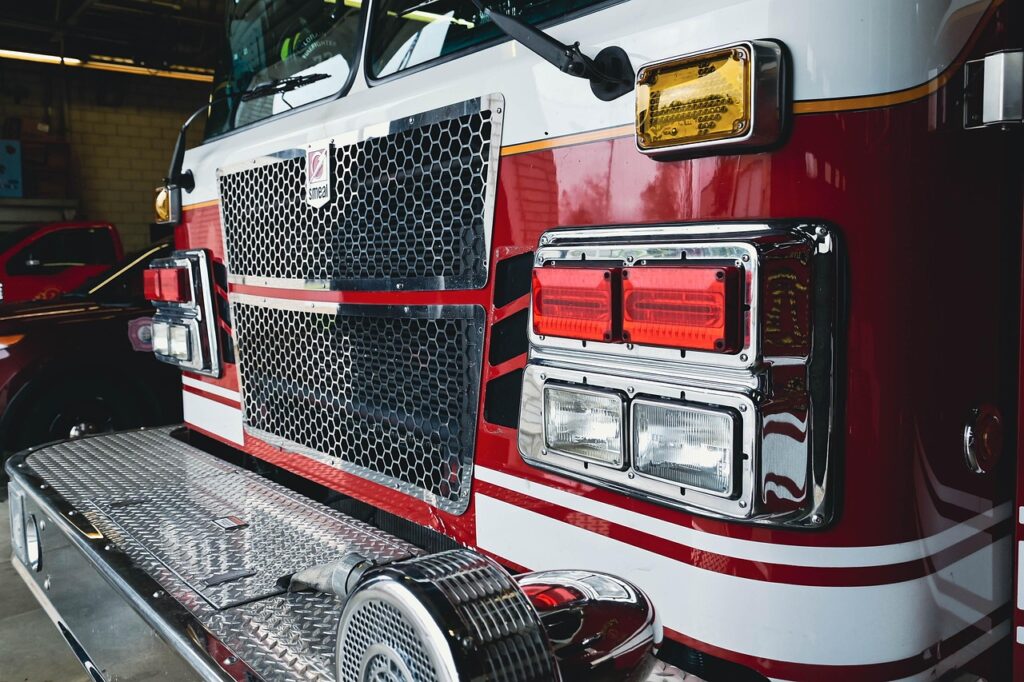
The fire service in Turkey is a modern, professional organization, reached through 112 or 110. It responds to fires, traffic accidents, and a wide range of rescue situations, and it works closely with the other emergency services.
For the visitor, the fire service is rarely needed, but the preparedness matters. Know the emergency exit of your hotel, keep the number accessible, and understand that in any fire, the priorities are escape, then calling for help from a safe place.
The rescue services extend beyond fire: the coast guard responds at sea, the mountain rescue teams operate in the alpine regions, and the search and rescue organizations cover natural disasters. The system is designed to reach the traveler wherever the emergency happens.
A note on the smaller emergencies that fill the gaps between the dramatic ones: lost passports, minor injuries, and small fires are all handled by the same services, and the procedures are straightforward. For a lost passport, the police report comes first, and the consulate follows. For a minor injury, the pharmacy or the nearest clinic handles most cases without the emergency room, saving time and money. Knowing which level of help fits which problem keeps the system fast for everyone.
Natural Disasters and Earthquakes
Turkey sits in an earthquake zone, and the visitor should know how the system responds. The country has a well-developed disaster management organization, and the earthquake preparedness is a permanent part of national life, with drills, building codes, and public information.
If an earthquake happens during your visit, the standard advice applies: drop, cover, and hold on, stay away from windows and heavy objects, and move to open ground when safe. The aftershocks can continue, and the emergency services will be at their busiest.
The disaster management system coordinates the response, and the public information, including in English during major events, keeps visitors informed. The practical preparation is simple: know your exit routes, keep your documents accessible, and follow the guidance of the authorities.
What to Say in an Emergency
The quality of your emergency call shapes the speed of the help. Speak slowly, state your location first, then describe what has happened, then answer the operator’s questions. The location is the information the dispatcher needs most urgently.
If you do not speak Turkish, say that you speak English, and the operator will connect to an English speaker or work with you in simple terms. Key words help: yardim means help, and saying the address, the hotel name, or a nearby landmark anchors your location.
Stay on the line until the operator releases you. The dispatcher may need to guide you through first aid, keep you calm, or confirm details, and the call that stays open is the call that brings the fastest help.
Emergency Services in Tourist Areas
The tourist regions are well served by emergency infrastructure. The coastal resorts, the historical centers, and the major cities have modern hospitals, police stations, and response teams, and the summer season brings extra capacity to the busiest destinations.
The tourist police, the hospital emergency departments, and the pharmacy system all work together in the visitor economy. The pharmacies, it is worth knowing, can handle many minor problems directly, and the after-hours pharmacy rotation keeps one open in every district at all times.
For travelers in remote areas, the planning changes: the distances are longer, the roads are slower, and the response times are greater. In the mountains or the far countryside, the mobile network may be limited, and carrying a charged phone, water, and a plan is the practical preparation.
Preparing Before You Need It
The best emergency preparation happens before the emergency. Save the numbers in your phone, write them on a card in your wallet, and share them with your travel companions. Note your hotel’s address in Turkish, because the taxi driver and the dispatcher both need it.
Keep your documents, insurance details, and emergency contacts accessible, in a phone pocket or a travel wallet, and know your medical history essentials if you have conditions that matter. The information that takes a minute to organize can save an hour in a crisis.
Finally, stay calm. The Turkish emergency system is professional, the people are helpful, and the country handles millions of visitors a year with very few serious incidents. The preparation is a formality, but the formality is worth doing well.
Frequently asked questions
What is the emergency number in Turkey?
The universal emergency number is 112, which connects you to medical, police, and fire services through a single call. It is free from any phone, works without credit, and operators provide help in English and other languages. The dedicated numbers 155, 156, 110, and 122 also remain in use.
Do emergency operators speak English?
Yes. The emergency operators are trained to handle calls from foreigners, and assistance is available in English and other major languages. If you cannot explain the situation, stay calm, state your location, and repeat key words, and the system will still dispatch help.
What should I do in an earthquake in Turkey?
Drop, cover, and hold on during the shaking, staying away from windows and heavy objects, and move to open ground when it is safe. Follow the guidance of the authorities and the emergency services, and expect aftershocks. Know your hotel’s exits and keep your documents accessible.

All Over Information
The All Over Information editorial team researches and writes practical English-language guides to Turkey. Facts are checked against official and local sources before publication, prices are published as dated ranges rather than quotes, and guides are revised when things change. We accept no sponsored posts, paid placements or paid links.
More guides like this

A Foreigner’s Guide to Networking with Expat Communities
Moving to Turkey brings a new city, a new language, and a new set of practical questions, and the fastest way through…

Everything You Need to Know About Shipping Packages Internationally
International shipping from Turkey touches every expat eventually, whether it is a birthday gift, a signed contract, or a box of belongings…

A Foreigner’s Guide to Starting a Business
Starting a business in Turkey is a genuine opportunity: the market is large, the costs are competitive, and the entrepreneurial culture is…

Everything You Need to Know About Learning Basic Turkish Phrases
Learning basic Turkish phrases is one of the best investments you can make before a trip to Turkey.

Step-by-Step: Opening a Business Bank Account in Turkey
Opening a business bank account in Turkey is a step-by-step process that rewards preparation.

Everything You Need to Know About Budgeting Monthly Expenses
Budgeting in Turkey is simpler than it sounds, but only if you know where the real costs sit and where the surprises…