Gaziantep is a year-round city, but the seasons change it more than most places. Spring and autumn bring the perfect weather, mild days and clear skies; summer brings fierce heat and long, late evenings; and winter brings cold, quiet streets and the city’s most comforting food. Each season has its own case, and the right choice depends on what you want from the trip. This guide breaks down the months, the weather, and the trade-offs, so you can pick the season that fits you.
The Short Answer
The sweet spot for most travelers is spring, roughly April and May, and autumn, September and October. The weather is mild, the light is clear, and the city is at its most comfortable for walking, eating outside, and exploring the old town without the summer’s heat or the winter’s cold.
Summer, June through August, is for travelers who can take the heat and want the city’s most vivid evenings: long nights, late dinners, and the Euphrates day trips at their best. It is hot, but the city is built for it, and the mornings and evenings are genuinely pleasant.
Winter, December through February, is the quiet season: cold, sometimes wet, and wonderfully atmospheric, with the museums, hamams, and steaming bowls of beyran at their finest. It is the cheapest season, and for many visitors, the most authentic.
Spring: The Sweet Spot
Spring in Gaziantep is nearly perfect. The temperatures climb from cool to mild, the rain of winter fades, and the city greens up after the cold months. The old town is at its best for walking, and the tea gardens fill with the first warm afternoons.
The crowds arrive with the good weather, especially around the spring holidays, so the famous sights have queues and the good hotels fill up. Book ahead, and enjoy the season’s energy.
The spring light is excellent for photography, the pistachio trees flower on the hills around the city, and the food culture runs at full strength. For most visitors, this is the season to choose.

Summer: Hot, Slow, and Bright
Summer in Gaziantep is hot, regularly climbing past thirty-five degrees, and the city slows accordingly. The rhythm is the season’s own: mornings for the bazaar, middays for the museums and the hamam, evenings for the long, late dinners.
The compensations are real. The evenings are long and warm, the food streets run past midnight, and the Euphrates day trips to Rumkale and Halfeti are at their most glorious, with the river offering the season’s best escape.
Summer is also the season of fruit and festivals, with the first pistachios appearing toward the end of the season. If you can live on the city’s clock, the summer is a wonderful time to visit, and the empty midday streets, with their shuttered shops and sleeping cats, are a portrait of the city at rest.
Autumn: Harvest and Perfect Weather
Autumn rivals spring for the title of best season. The heat breaks, the days stay long, and the city enters its most comfortable stretch, with the same mild clarity as spring but with the harvest adding its own colors.
The pistachio harvest in late summer and early autumn turns the markets into a festival: fresh nuts, roasted on the spot, and the sweet shops at their most abundant. It is the best season for food shopping.
October is the peak of the autumn sweet spot, with settled weather and lighter crowds than the spring holidays. The old town, the museum, and the day trips all reward the autumn traveler, and the low autumn sun makes the stone streets and the copper bazaar glow in a way no other season quite matches.
Winter: Cold, Cozy, and Cheap
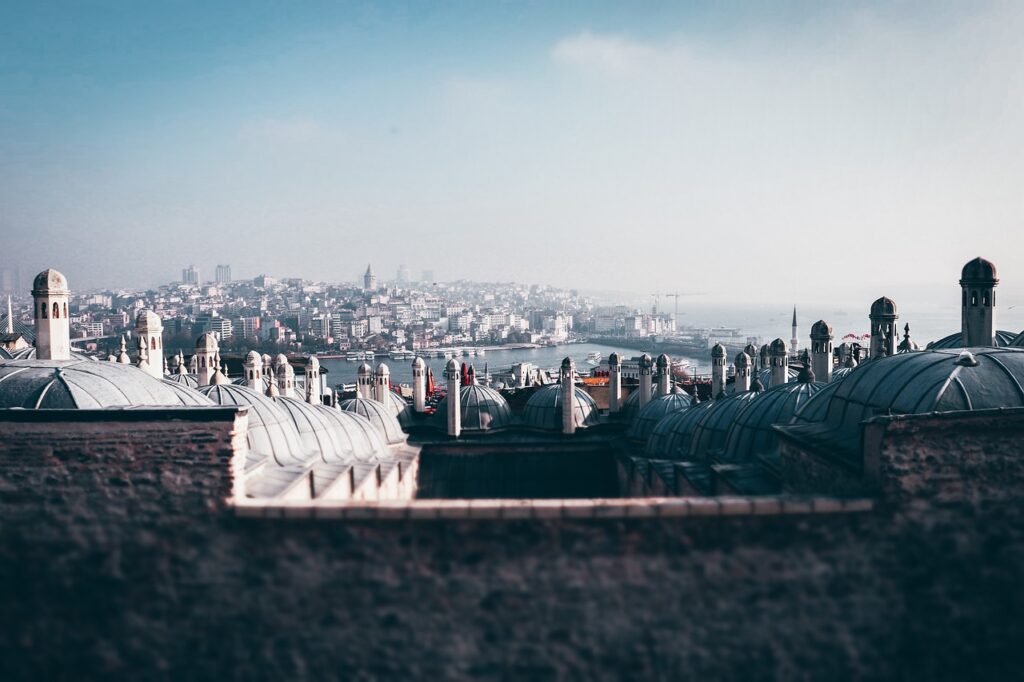
Winter is the quiet season, and it has its own devoted fans. The weather is cold and often grey, with occasional rain, but the city’s indoor life comes into its own: the museums, the hamams, the coffeehouses, and the steaming bowls of beyran that taste best in the cold.
The crowds disappear, the prices drop, and the famous sights are walk-in affairs. The bazaar still hums with locals, and the old town, with the castle lit against the winter sky, is deeply atmospheric.
Winter is also the cheapest season for flights and hotels, which makes it the smart choice for budget travelers and for anyone who prefers a city without the crowds.
Month by Month Guide
January and February are the coldest months, grey and occasionally wet, with the city’s indoor life at its most important. March begins the transition, with the first mild days and the spring crowds beginning to build.
April and May are the spring peak: perfect walking weather, green hills, and the city at its most photogenic. June warms rapidly, and July and August are the true summer, hot and bright, with long evenings and the river trips at their best.
September brings the harvest and the first relief from the heat, October is the autumn sweet spot, and November and December cool down toward the winter, with the holidays adding their own light to the season.

Festivals and Food Events
The city’s calendar circles the table. The gastronomy identity means food events run through the year, from tasting festivals to cooking demonstrations, and the spring and autumn seasons host the richest programs.
The holidays bring their own energy: the religious festivals and the new year fill the bazaar and the sweet shops, and the city’s hospitality runs at full strength. Check what is happening during your dates, because the informal events are often the best.
For food travelers, the harvest season is the highlight, with the pistachio crop and the seasonal dishes at their freshest. Plan around the food calendar, and the city will feed you well: the beyran of winter, the cold salads and fruit of summer, and the harvest sweets of early autumn each belong to their season.
Weather by Season in Practice
The practical reality of the seasons is simple. Spring and autumn need light layers and comfortable walking shoes, with a jacket for the cooler evenings. Summer needs sun protection, water, and the willingness to live on the city’s early-and-late schedule.
Winter needs a warm coat, waterproof shoes, and the patience for grey days that clear into beautiful light. The seasons also change the hours: summer evenings run late, winter ones start early, and the city’s rhythm follows the sun.
Whatever the season, the old town’s arcades, the museums, and the coffeehouses provide the shelter, and the food provides the fuel. The city is built for its climate, and so is the itinerary: the walks fall in the mild hours, the meals anchor the day, and the tea gardens absorb whatever the weather sends.
Packing for Your Chosen Season
The packing list follows the season. Spring and autumn: light layers, a jacket, comfortable shoes, and an umbrella for the occasional shower. Summer: light cotton clothing, a hat, sunglasses, sunscreen, and a refillable bottle for the constant water.
Winter: a warm coat, layers, a hat, gloves, and waterproof shoes for the rain and the cold mornings. Modest clothing for the mosques works in every season, and a scarf earns its space year-round.
The one constant is comfort for walking: the old town’s lanes are the city’s main transport, and the right shoes matter more than the right season.
Choosing Your Dates Around What You Want
The honest way to choose is to work backward from your priorities. If you want perfect walking weather and the city at its busiest, aim for April, May, September, or October. If you want the river trips and the long nights, go in June, July, or August.
If you want the museums, the hamams, and the cheapest prices, winter is your season, especially January and February. If your dates are flexible, the spring and autumn windows give the best balance of everything.
Whatever you choose, Gaziantep delivers: the food is constant, the hospitality is constant, and the seasons simply change the light in which you enjoy them.
A Season-by-Season Day
The seasons change more than the weather; they change the shape of a day in Gaziantep. In spring and autumn, the day runs on the classic rhythm: breakfast of katmer, a morning in the old town, the museum at midday, and an early evening walk with the light at its best.
In summer, the day stretches: breakfast early, the bazaar before the heat, the museum and hamam through the afternoon, and the main meal late, with the evening streets alive past midnight. The river trips take the place of the afternoon walk.
In winter, the day contracts and turns inward: a later start, museums and coffeehouses filling the grey hours, a steaming bowl of beyran at midday, and an evening of warm rooms, tea, and the sıra gecesi tables. Each season gives the city a different shape, and each shape rewards its own traveler.
Frequently asked questions
What is the best month to visit Gaziantep?
April, May, September, and October are the sweet spots, with mild weather, clear light, and the city at its most comfortable. April and May bring the spring energy, October adds the harvest, and all four are ideal for walking, eating outside, and the day trips.
Is Gaziantep worth visiting in summer despite the heat?
Yes, if you adapt. The afternoons are genuinely hot, but the mornings and evenings are pleasant, the museums and hamams offer midday refuge, and the long warm nights are the season’s gift. The Euphrates day trips are also at their best, with the river offering the coolest escape.
Is winter a good time for a budget trip?
Excellent. Winter is the quiet season, so flights and hotels cost less, the crowds vanish, and the famous sights are walk-in affairs. The cold is manageable with the right coat, and the city’s indoor life, museums, hamams, and beyran, is at its most appealing.

All Over Information
The All Over Information editorial team researches and writes practical English-language guides to Turkey. Facts are checked against official and local sources before publication, prices are published as dated ranges rather than quotes, and guides are revised when things change. We accept no sponsored posts, paid placements or paid links.
More guides like this

How to Get to Gaziantep from Istanbul
Getting from Istanbul to Gaziantep is a well-traveled route, and you have four real options: flying, the overnight bus, the train via…

Top 10 Things to Do in Gaziantep
Gaziantep is the kind of city where the food list alone fills a week, so a short visit demands priorities.

Gaziantep in Summer: A Complete Travel Guide
Summer in Gaziantep is intense, bright, and delicious.

Best Local Restaurants in Gaziantep
Gaziantep is Turkey's gastronomy capital, and asking for the best restaurant here is like asking for the best song in a city…
48 Hours in Gaziantep: The Perfect Itinerary
Two days in Gaziantep sounds short, and it is, but the city is compact enough that a well-planned 48 hours covers the…

A First-Timer’s Guide to Gaziantep
Most first trips to Turkey stick to Istanbul, Cappadocia, and the coast, which means most travelers miss the country's true culinary capital.