The short answer is yes, in some places, but you should not plan your whole trip around it. Turkey’s official currency is the Turkish lira, and the lira is what you will need for the overwhelming majority of purchases, from tram tickets to restaurant meals. Dollars and euros are accepted in a narrow range of situations: some hotels, some tour operators, and some tourist shops will quote prices in foreign currency, and exchange counters are everywhere. This guide explains exactly where foreign cash works, where it does not, and how to handle your money sensibly so you never end up stranded without the right notes.
The Short Answer
If you arrive with only dollars or euros in your pocket, you will not be able to pay for most things directly. The lira is the only currency accepted at the vast majority of businesses, and attempts to pay in foreign cash will usually be refused, especially outside the most tourist-heavy zones.
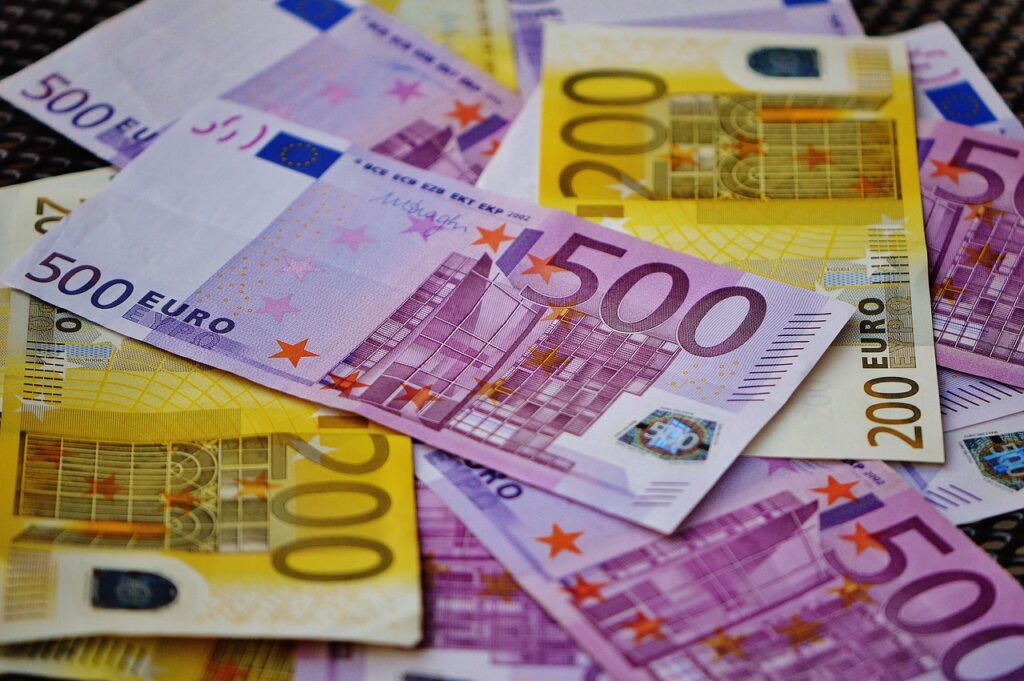
What foreign currency does buy you is convenience at the edge of the economy: airport hotels, luxury resorts, and some tour agencies routinely quote in euros, and souvenir shops in the bazaars will happily take your dollars, often at a rate that favors them.
The sensible strategy is to treat dollars and euros as a reserve. Use them for exchange, for the specific places that accept them, and as a safety net, while doing your everyday spending in lira. That combination gives you flexibility without paying the penalty of poor rates.
Where the Turkish Lira Rules
The lira is the only legal tender in Turkey, and almost every transaction you make will be priced in it. Grocery stores, pharmacies, cafes, street vendors, ferries, museums, and local restaurants all work in lira, and they expect payment in lira, whether in cash or by card.
The practical effect is that you need a reliable way to get lira early in your trip. The moment you step outside the airport bubble, you will be grateful for a small stack of lira notes for the tram, the simit seller, and the small shop that does not take cards.
It is also worth remembering that the lira’s value has moved considerably over the years, so prices in Turkey change faster than in many countries. Do not rely on what you read months before your trip; check current rates and budget a little flexibility.

Where Dollars and Euros Are Accepted
The exceptions are real but limited. Hotels that cater to international guests often quote room rates in euros or dollars, and they will accept the equivalent in cash or by card without complaint. This is most common in resort areas, where the tourism economy runs on foreign currency habits.
Tour operators selling excursions, boat trips, and guided tours frequently price their services in euros, and you will see price lists in the bazaars and souvenir shops marked in multiple currencies. Some upscale restaurants in tourist districts also display euro prices alongside lira.
The catch is the exchange rate they use. A shop that accepts dollars sets its own rate, and it is almost always worse than the official one. Paying in dollars at a bazaar is convenient, but it is quietly a way of paying more, so it makes sense to ask the lira price before you hand over foreign cash.
Paying by Card: The Everyday Reality
Credit and debit cards are the real workhorses of the Turkish economy, and in the cities you can pay by card almost everywhere, from supermarkets to taxis. International cards work at the vast majority of payment terminals, and contactless payments are widespread.
When you pay by card in a foreign currency, your bank handles the conversion at its own exchange rate, which is usually reasonable. Many cards add a foreign transaction fee, so check your card’s terms before you travel and consider a card with no such charges.
One caution: card machines in Turkey sometimes offer to charge you in your home currency, a practice called dynamic currency conversion. The rate offered is typically poor, so always choose to pay in lira when the machine asks, and let your bank do the conversion.
ATMs and Cash Withdrawals
ATMs are the most convenient way to get lira, and they are everywhere in Turkish cities. Most bank ATMs accept international cards and offer instructions in English, and withdrawing from an ATM usually gives you the official exchange rate, plus whatever fees your bank charges.
Look for the major banks’ machines, which are plentiful and reliable, and avoid the standalone currency-exchange ATMs that advertise in tourist areas, since they often charge high fees. Check the machine’s withdrawal limits before you insert your card.
A practical habit is to withdraw a modest amount at a time rather than the maximum, so you never hold more cash than you need and you can space out the fees. Keeping a small cash reserve in lira, separate from your cards, covers the moments when cards fail.
Exchanging Money: Getting a Fair Rate
If you prefer to exchange cash rather than use ATMs, you will find exchange offices and banks all over the cities. The rates they offer vary, so it pays to compare two or three before committing, especially for larger amounts.
Airport exchange counters are the most convenient and usually the least favorable. Exchange only what you need for the first day there, and handle the rest in the city, where competition between exchange offices keeps rates closer to the official figure.
Beware of commission traps: some offices quote a great rate and then add a fee, while others advertise no commission and build the cost into the rate. The final number in your hand is what matters, so ask the total you will receive before you hand over your currency.

Price Displays and Quoted Rates
In tourist areas, you will see prices quoted in multiple currencies, and it is worth understanding how those quotes work. A hotel that quotes in euros will convert to lira on your bill, and tour prices in euros are common, but the conversion rate used can vary from place to place.
The bazaars add their own layer: prices are often a starting point for negotiation, and the currency mentioned first is often the one that suits the seller. Asking for the lira price is always a good move, since it anchors the negotiation in the currency that counts.
For most travelers, the practical takeaway is simple: know roughly what things cost in lira, let your bank or a fair exchange office handle conversions, and treat foreign-currency price displays as information rather than an instruction to pay in that currency.
Tips and Service Charges
Turkey’s tipping culture is modest compared with some countries, and it is normally handled in lira. In restaurants, a service charge is often included in the bill, and rounding up the total or leaving a small tip is appreciated but not mandatory.
Tour guides, hotel staff, and luggage porters receive tips as well, and again the lira is the natural currency. Expectations change with the economy, but the general principle of small, grateful gestures applies, and a guide you hire will be glad to tell you what is customary.
Tipping in dollars or euros is accepted at resorts and by tour guides who work with international groups, but it is unnecessary and sometimes awkward in the cities. Carrying a supply of small lira notes solves almost every tipping situation you will meet.

What to Carry: A Practical Mix
The ideal money setup for Turkey is a combination: a card or two for the majority of payments, a modest amount of lira cash for daily needs, and a small reserve of dollars or euros as insurance. That mix covers every situation you are likely to encounter.
Keep the foreign cash separate from your everyday wallet, and do not flash it in crowded places. Most visitors never need their reserve at all, but having it means that when a card fails, the ATMs are down, or a shop only takes cash, you are not stuck.
Finally, keep your cards’ emergency numbers and your bank’s contact details somewhere you can reach them, and tell your bank you are traveling if your card provider requires it. These small preparations turn a normal trip into an effortless one.
Avoiding Common Money Mistakes
The most common money mistake visitors make is exchanging everything at the airport, where rates are worst. Another is paying in foreign currency wherever it is accepted, which quietly inflates the cost of everything. A third is ignoring card fees, which can add up over a two-week trip.
Also avoid the informal money changers who approach tourists on the street and in the bazaars. Their rates are rarely better than the official ones, and the risks are real. The exchange offices and banks are regulated, and the difference in rates is not worth the risk.
Finally, remember that prices in Turkey change quickly with the currency, so what you read in a travel forum may be out of date by the time you land. Budget a little flexibility, check current rates before you fly, and you will find Turkey very manageable on the money front.
Frequently asked questions
Do I need to exchange all my money to lira before arriving in Turkey?
No. You can withdraw lira from ATMs on arrival, and cards are accepted almost everywhere in the cities. It is wise to exchange or withdraw a small amount for the first day at the airport, then handle the rest in the city, where you get better rates.
Are dollars and euros accepted everywhere in Turkey?
No, only in limited situations. Hotels, tour operators, and souvenir shops in tourist areas may accept them, but everyday businesses like cafes, supermarkets, and public transport expect lira. Treat foreign cash as a reserve and use lira for your regular spending.
Should I pay in lira or my home currency when using a card?
Always choose lira. When a card machine offers to charge you in your home currency, the conversion rate is usually poor. Paying in lira lets your bank apply its own rate, which is typically fairer, and you will see the converted amount on your statement.

All Over Information
The All Over Information editorial team researches and writes practical English-language guides to Turkey. Facts are checked against official and local sources before publication, prices are published as dated ranges rather than quotes, and guides are revised when things change. We accept no sponsored posts, paid placements or paid links.
More guides like this

Is English Widely Spoken in Turkey?
The short answer is that English is widely spoken in Turkey's tourist areas, but it is not a country where you can…
How Do I Get from Istanbul Airport to the City Center?
Landing at Istanbul Airport is the moment most Turkey trips truly begin, and the roughly forty kilometers between the terminal and the…
How Do I Dress Respectfully When Visiting Mosques?
Visiting a mosque is one of the highlights of any trip to Turkey, and knowing how to dress and behave shows respect…

What Are the Best Islands to Visit Near Turkey?
Turkey's coastline stretches for thousands of kilometers along four seas, and scattered along it are islands that make perfect day trips and…

How Many Days Do You Need to See Istanbul?
Istanbul is a vast city with more than two thousand years of history, and no amount of time is truly enough to…

How Does Turkish Airlines Compare to Other Carriers?
Turkish Airlines has grown from a regional carrier into one of the world's largest airlines, and its reputation for service, food, and…