The honest answer is that Turkey is still cheaper than most of Western Europe for travelers, but the gap has narrowed, and some things cost the same as anywhere. The country went through a period of very high inflation, which pushed prices up in lira terms even as the currency weakened. For visitors spending euros, dollars, or pounds, the overall result is a destination that remains good value for accommodation, food, and transport, though entry fees and imported goods can cost as much as they do at home.
This guide compares the big spending categories honestly, so you can plan a budget that matches reality rather than an outdated guidebook.
The Short Answer
Yes, for most travelers, Turkey is cheaper than the average European destination, and in some categories dramatically so. A meal, a hotel room, a bus ticket, and a day of sightseeing all tend to cost less than their equivalents in France, Germany, or the UK, and often less than in Greece or Spain as well.
But the answer comes with three caveats. First, prices have risen sharply in recent years, so the bargain is smaller than it used to be. Second, tourist areas price differently from local neighborhoods, and the gap between them is wide. Third, some things, such as fuel, imported alcohol, and international-standard hotel rooms, cost roughly what they cost in Europe.
The smart approach is to treat Turkey as good value with pockets of European pricing, and to plan your budget accordingly.
Accommodation
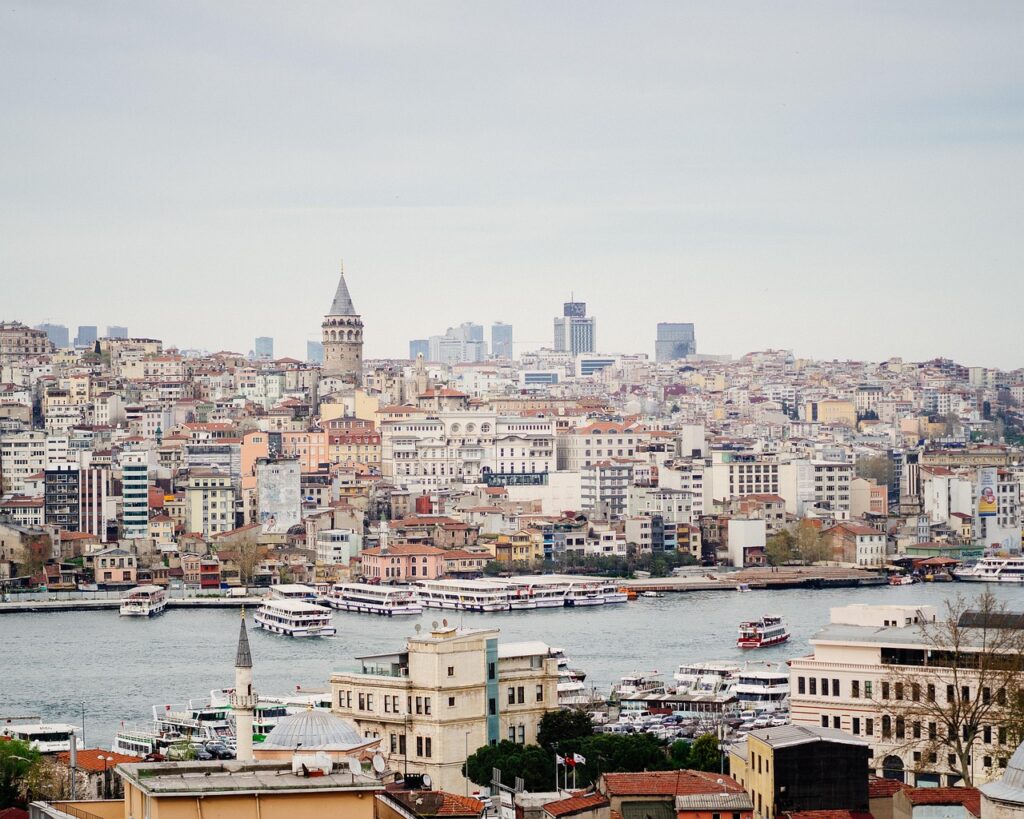
Accommodation is where Turkey saves you the most money. In Istanbul, boutique hotels, pensions, and apartments cost a fraction of what comparable rooms cost in Paris, London, or Rome, and the same is true along the coast in Antalya, Bodrum, and the Aegean towns.
The range is enormous. At the top end, five-star resorts on the Mediterranean charge international rates, but even there, all-inclusive packages can undercut European equivalents. In the middle and budget ranges, the value is clear: comfortable family hotels and guesthouses are easy to find at prices that would barely cover a hostel bed in many Western European cities.
Season matters as much as anything. Outside July and August, room prices drop steeply, and in winter you can often negotiate directly with smaller hotels. Booking early for summer and flexibly for the rest of the year stretches your accommodation budget further.
Food and Drink
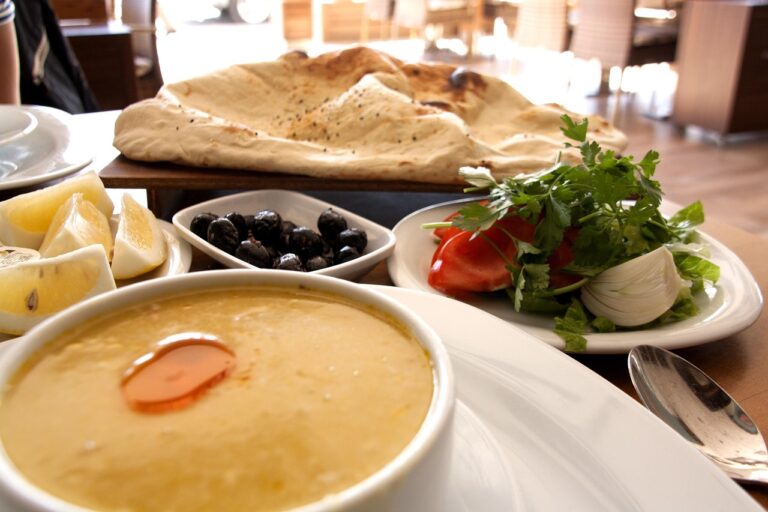
Eating in Turkey is both a pleasure and a bargain. A full meal in a neighborhood lokanta, the everyday Turkish restaurant, costs a small fraction of a restaurant meal in Western Europe, and even tourist-area restaurants are generally cheaper than their European equivalents.
The street food is where the value is best: simit, the sesame bread rings; döner and lahmacun; gözleme; and fresh fruit and pomegranate juice from market stalls all cost pocket money and feed you well. A generous breakfast spread, the famous Turkish kahvaltı, is a splurge that still costs less than a simple cafe breakfast in most European capitals.
Two cautions: alcohol is heavily taxed and can cost as much as or more than in Europe, and restaurants in the most tourist-heavy squares charge several times the local rate. Eat where Turks eat, and food will be one of your smallest expenses.
Transport
Getting around Turkey is inexpensive by European standards. Within cities, trams, metros, and ferries cost a fraction of equivalent rides in Western Europe, and a single reloadable transit card works across all of them. Intercity travel is the real bargain: the bus network is extensive, comfortable, and cheap, and high-speed trains between major cities are fast, pleasant, and reasonably priced.
Domestic flights are also competitive when booked in advance, though baggage fees can add up. Taxis are metered and affordable by European standards, though prices have risen, and ride-hailing apps work in the big cities.
Renting a car is where the picture changes. Prices have climbed, and fuel costs roughly what it costs in Europe, so a road trip may not be the money-saver it once was. Trains, buses, and city transit remain the budget-friendly backbone of Turkish travel.

Attractions and Entry Fees
Entry fees are the category where Turkey has moved closest to European pricing. Major monuments and museums, such as Topkapi Palace and the great archaeological sites, charge substantial fees, and the most famous attractions now cost as much as headline museums in Paris or London.
The good news is that many of the best experiences remain free. Mosques, including the great imperial mosques of Istanbul, are free to enter, and the city’s best views, from rooftops, hills, and ferry decks, cost nothing. Public beaches are free, hiking trails cost nothing, and wandering the old streets is the classic zero-budget activity.
The strategy is to be selective. Rather than paying for every site, choose the two or three monuments you care most about, and build the rest of your days around the free side of the city. That mix keeps sightseeing affordable without sacrificing the icons.
Shopping and Souvenirs
Shopping in Turkey ranges from genuine bargains to tourist traps, and the difference is usually location and negotiation. In the bazaars, prices are quoted high and expected to be negotiated, so a patient buyer can bring the final price down considerably. Carpets, ceramics, leather, spices, and textiles are all cheaper in Turkey than in most of Europe, if you buy well.
Modern malls and brand stores, by contrast, price international goods at roughly European levels, and imported brands rarely save you money. The same applies to electronics and luxury goods, which are not the bargains they once were.
The practical rule is to buy Turkish, not international: local food products, textiles, handicrafts, and gold jewelry remain the best value. Remember that haggling is expected in markets but not in shops with price tags, so match your strategy to the setting.

The Exchange Rate Factor
The exchange rate is the wild card in any comparison between Turkey and Europe. The Turkish lira has weakened significantly over the years, and its value moves with economic conditions, so the cost of your trip in your own currency changes constantly.
When the lira is weak, foreign visitors benefit: their currency buys more lira, and prices in lira feel smaller. But Turkey has also experienced very high inflation, which raises prices in lira terms, so the two forces partly cancel out. The net result has generally been a destination that stays competitive, but with less dramatic bargains than in the past.
Practically, this means you should not fix a budget based on last year’s prices. Check current exchange rates and recent price levels before you travel, keep your spending flexible, and remember that cash in lira and cards are both widely used.
Where You Save Most
The savings vary by region and category. Your biggest wins in Turkey are accommodation in mid-range and budget hotels, food in local restaurants and street stalls, intercity buses and trains, and everyday items like groceries and cafe tea.
Your smallest wins are entry fees at major monuments, fuel, imported alcohol, international hotel brands, and anything imported, from electronics to Western-brand clothing. Coastal resorts in high summer are the most expensive part of the country, while the interior, the Black Sea region, and eastern Anatolia are dramatically cheaper.
Cities like Istanbul and Izmir sit between the extremes, with world-class everything at prices below Western European levels. If you combine one region of Turkey with a few days in Europe on the same trip, the contrast is immediate.
Budgeting Realistically
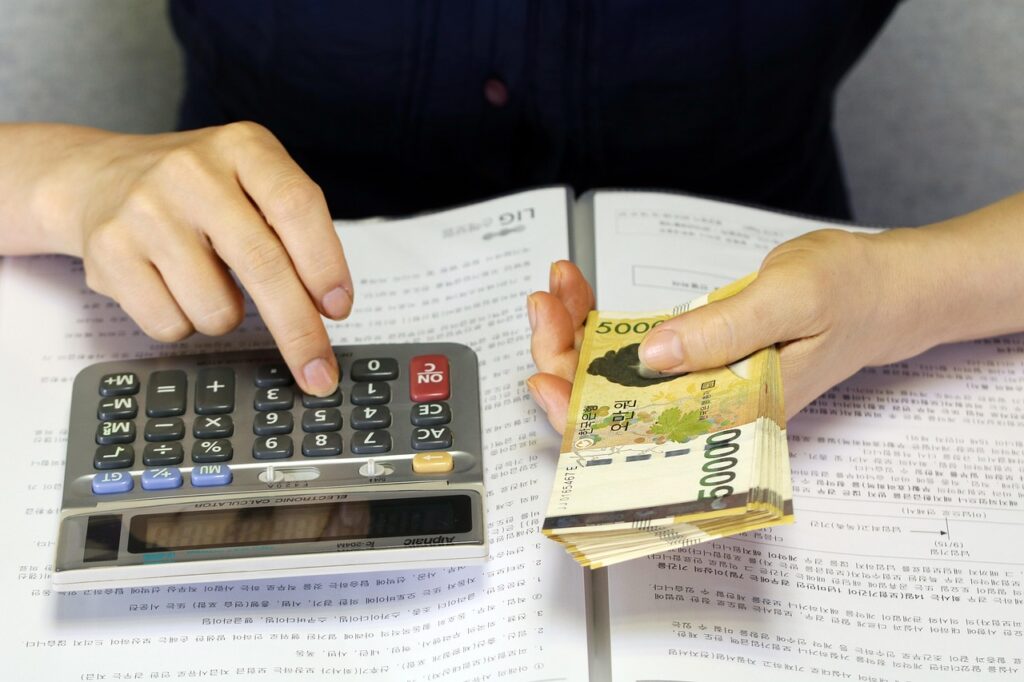
Given all the variation, how should you budget? The honest framework is to price your trip against your own country rather than against guidebook averages. Pick your accommodation style, estimate meals at the type of restaurants you will actually use, and add entry fees for the specific sites on your list.
Build in a buffer for the surprises: a taxi in the rain, an extra museum, a nicer dinner. If you are coming from Western Europe, expect to spend noticeably less than you would at home for the same standard of trip; from a country with high prices, the savings will be even clearer.
Keep some flexibility in your plans. Prices and exchange rates move, seasons change, and the traveler who can adjust, choosing a lokanta over a tourist terrace or a bus over a flight, always gets the better end of the deal.
The Bottom Line
The bottom line is that Turkey remains a genuinely good-value destination compared with most of Europe, especially for accommodation, food, and transport, but it is no longer the ultra-cheap country of travel myths. Prices have risen, the lira has been volatile, and the most famous attractions now charge European-level fees.
For the typical traveler, the practical result is simple: you can enjoy a similar standard of trip to Western Europe for noticeably less money, or a more luxurious trip for the same budget. Turkey stretches a European holiday budget further, in a country with world-class sights, food, and coastline.
Plan smartly, eat locally, travel by bus and train, choose your monuments carefully, and you will feel the difference in your wallet every single day.
Frequently asked questions
Is Turkey cheaper than Europe for tourists right now?
For most travelers, yes, especially for accommodation, food, and transport. A hotel room, a restaurant meal, and a bus or train ticket in Turkey generally cost less than their equivalents in Western Europe, and often less than in Greece or Spain. The exceptions are entry fees at major monuments, fuel, and imported goods, which are close to European prices. Check current exchange rates before you travel, since the lira’s value shifts.
Has Turkey gotten more expensive in recent years?
Yes, prices in Turkey have risen sharply because of very high inflation, and the period of extreme bargains is over. At the same time, the lira has weakened against major currencies, which partly offsets the increases for foreign visitors. The net effect is that Turkey remains cheaper than most of Europe, but the gap is smaller than it was. Travelers spending euros, dollars, or pounds still find good value, particularly outside the main summer season.
Is it cheaper to travel in Turkey than in Greece or Spain?
In general, yes. Accommodation and food are usually cheaper in Turkey than in the main tourist areas of Greece and Spain, and the interior and eastern regions of Turkey are dramatically less expensive than anywhere in Western Europe. The coastal resorts narrow the gap in high summer, and entry fees at Turkey’s major sites are comparable to European ones. For travelers who eat locally and use buses and trains, the overall saving is clear.

All Over Information
The All Over Information editorial team researches and writes practical English-language guides to Turkey. Facts are checked against official and local sources before publication, prices are published as dated ranges rather than quotes, and guides are revised when things change. We accept no sponsored posts, paid placements or paid links.
More guides like this

Is Turkey a Good Destination for Retirees?
Turkey has become a popular destination for retirees, and for good reasons: a warm climate, a lower cost of living than most…

Is It Safe to Drive in Istanbul as a Foreigner?
Istanbul is one of the great cities of the world, and it is also one of the most challenging places to drive.

What Outdoor Adventures Are Available in Turkey?
Few countries pack as much adventure into one territory as Turkey.
What Is the Difference Between Turkish and Greek Cuisine?
Turkish and Greek food look like siblings, and that is because they are: two cuisines that grew from the same Mediterranean soil,…

How Do Public Holidays Affect Travel in Turkey?
Turkey loves its holidays, and the calendar is crowded with them.
What Is the Cost of Living in Istanbul Vs. Antalya?
Whether you are planning an extended stay, a remote-working season, or a full move to Turkey, the cost of living is usually…