Kutahya‘s position in western Anatolia makes it an excellent base for exploring a region that most travelers pass through at speed. Within an hour or two of the city lie the ruins of a great Roman center, the strange landscapes of the Phrygian Valley, mountain highlands, thermal springs, and cities with characters entirely their own. This guide collects the best day trips from Kutahya, with practical notes on distance and what makes each destination worth the drive.
Aizanoi: The Temple of Zeus
The essential day trip from Kutahya is Aizanoi, the ancient city in the district of Cavdarhisar, about an hour from the city. Its centerpiece, the Temple of Zeus, is one of the best-preserved Roman temples in the world, its columns and pediment standing almost complete in a broad valley.
The site offers far more than the temple: a theater and stadium built together, a market hall, baths, and the bridges that carried the ancient city over the river running through it. The setting, among fields and farmhouses, is wonderfully unspoiled, and the crowds are thin even in high season.
Allow a generous half-day. Walk the temple platform, climb the theater, and follow the paths among the ruins, then lunch in Cavdarhisar, a friendly market town. Aizanoi is the region’s archaeological masterpiece, and it deserves unhurried time.
The Phrygian Valley
To the north and east of Kutahya stretches the Phrygian Valley, the strange and haunting landscape of the ancient Phrygians. The soft rock is carved with tombs, facades, and monuments of the first millennium BC, including the great rock-cut facades that mimic the fronts of temples and palaces.
The valley is not a single site but a region of scattered monuments, connected by quiet roads and walking paths. The most famous pieces, the great facades and the stepped altars, are signed from the roads, and the atmosphere, empty and wind-scoured, is unlike anywhere else in Turkey.
A day here is a day of driving and short walks rather than a single destination, so take a map and follow the signs. Combine the valley with a village lunch, and you will have seen the oldest and strangest monuments of the region.

Eskisehir: The Modern University City
The quickest city trip from Kutahya is Eskisehir, about an hour away by road or rail. This is one of Turkey’s most surprising cities: a modern university town with a restored historic quarter, pedestrian streets, and a canal district that draws comparisons with places far from Anatolia.
The highlights are walkable: the old Ottoman houses of the Odunpazari quarter, now filled with museums and craft shops, the riverside promenades, and the city’s famous youth culture, which gives Eskisehir a cafe and restaurant scene out of all proportion to its size.
A full day in Eskisehir is easy to fill, and the high-speed rail connection makes it simple to reach. For travelers who want a contrast to Kutahya’s quiet, the student energy and modern polish of Eskisehir provide exactly that.
Gediz and the Countryside
South of Kutahya, the district of Gediz spreads across a fertile plain ringed by mountains. The drive from the city passes through orchard country, and the town itself is a relaxed provincial center with a lively market and a strong sense of local identity.
The countryside around Gediz is the real attraction: vineyards, orchards, and the villages that cling to the mountain slopes. In the spring, the plain is green and flowered; in autumn, the harvest fills the roads with carts and tractors, and the local produce fills the market stalls.
Gediz makes a gentle day trip for travelers who want to see the working countryside rather than monuments. Stop for tea in the town, buy the local fruit in season, and drive the back roads slowly, and you will have seen a Turkey the guidebooks barely mention.

Tavsanli: The Highlands
North of the city, the road to Tavsanli climbs from the plain into the highlands that mark the edge of the region. The town itself is a modest industrial center, but the countryside around it holds the real rewards: forested valleys, high pastures, and villages that seem suspended in an older century.
The highlands around Tavsanli are traditional yayla country, where families move their herds to the summer pastures. In the warm months, the plateaus are dotted with tents and livestock, and the mountain air is a relief from the heat of the plain.
The drive is the point: winding roads, sudden views, and the deep green of the forests. Pack a picnic, allow the day to unfold slowly, and treat the trip as an escape from the city rather than a checklist of sights.
Simav: Springs and Mountains
The district of Simav, about two hours from the city, combines two of the region’s attractions: hot springs and high mountains. The town sits at the foot of the Simav Mountains, and its thermal waters have drawn bathers since ancient times.
The springs feed a cluster of thermal facilities, from simple local baths to modern spa hotels, and a soak here is the classic end to a day of driving. The town itself is friendly and unhurried, with a market and a calm provincial atmosphere.
Above Simav rise the mountains, which offer hiking and, in winter, some of the region’s skiing on the higher slopes. Combine a morning among the mountains with an afternoon in the thermal waters, and Simav delivers a complete day of escape.
Domanic: The Forested Frontier
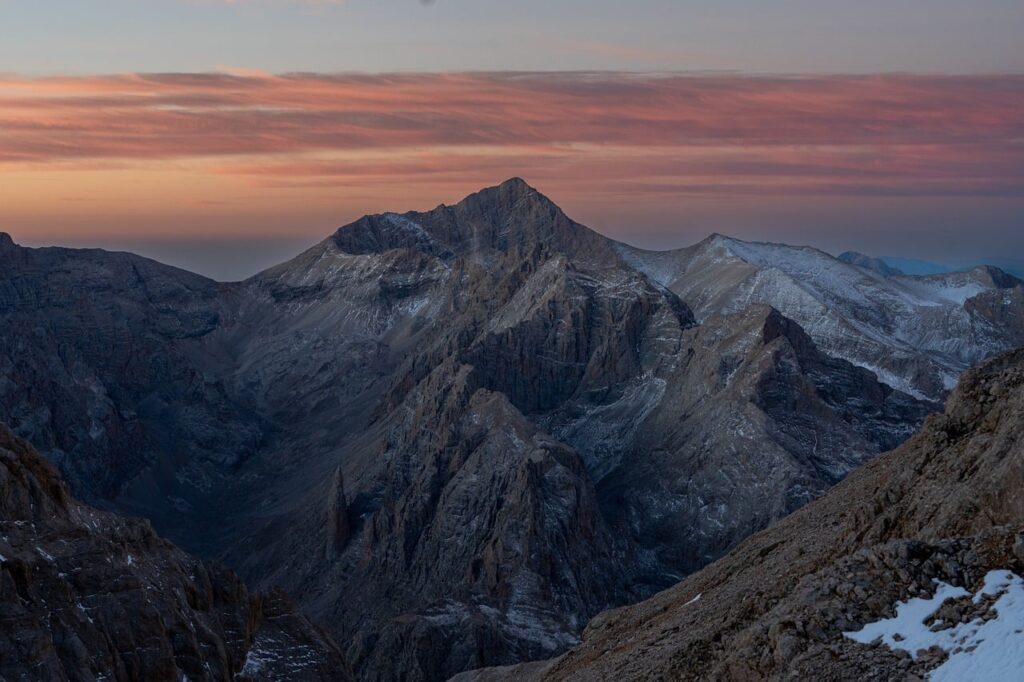
The district of Domanic, on the road toward the Marmara region, holds some of the most beautiful forest in western Turkey. The drive from Kutahya climbs through dense pine woods, and the highlands here are the traditional summer country of the region.
The forests around Domanic are famous in Turkish history as the hunting grounds and summer pastures of the early Ottomans, and the high plateaus carry that historical atmosphere. The villages are small, the air is cool, and the silence is the deepest in the region.
A day in Domanic is a day of driving and walking among the trees, with a simple village lunch as the highlight. For travelers who love forests and mountains, it is the most refreshing day trip in the area.
Murat Dagi: The Great Mountain
The great mountain of the region, Murat Dagi, rises to the south of Kutahya, its summit snow-capped for much of the year. In winter, its slopes offer some of the region’s skiing; in summer, the high meadows are green and cool, with sweeping views over the surrounding provinces.
The approaches to the mountain pass through highland villages and forests, and the drive itself is an adventure of switchbacks and views. The summit area, when the snow has cleared, is a fine place for a walk and a picnic above the clouds.
Murat Dagi is best visited with a car and a full day. Check the road conditions in winter, carry layers even in summer, and give the mountain the respect it deserves. The reward is the finest scenery in the region.

The Thermal Springs Circuit
The countryside around Kutahya is dotted with thermal springs, and a day trip built around them is the classic local relaxation. The springs vary from ancient village baths to modern spa complexes, and each has its own character and clientele.
A circuit works well: drive from spring to spring, soaking at one or two, and lunching at a village restaurant on the way. The mineral waters, warm and faintly sulfurous, are said to help everything from tired muscles to old joints, and the Turks take their thermal bathing seriously.
Ask at your hotel for the current recommendations, since the facilities change hands and standards vary. However you arrange it, a day of thermal bathing is the most restorative trip in the Kutahya region, and the countryside between the springs is part of the pleasure.
Afyonkarahisar: The Neighboring Province
For a longer day trip, drive to Afyonkarahisar, the neighboring provincial capital about an hour and a half away. The city is dominated by its great rock outcrop, crowned by a castle and riddled with caves, and the views from the summit are worth the climb.
Afyon is also famous for its cuisine and its thermal springs. The city’s breakfast and its local specialities, including the region’s renowned clotted cream, draw food pilgrims from across the country, and the thermal hotels on the outskirts offer the same mineral waters that have been valued here for centuries.
A day in Afyonkarahisar runs: the castle climb in the morning, a legendary breakfast and market visit at midday, and a thermal soak in the afternoon. It is the longest trip on this list, and it is also one of the most rewarding.
Planning Your Day Trips
The practicalities of day-tripping from Kutahya are simple. A car is the great enabler: the region’s best sights are scattered, and the driving is a pleasure through countryside that most tourists never see. For Aizanoi alone, the local minibuses work well enough.
Distance matters more than time, since the roads are good and the traffic light. Allow an hour for Aizanoi, an hour and a half for Eskisehir and Afyonkarahisar, and two hours for Simav and Domanic, and plan the long trips for days when the weather is settled.
Finally, resist the urge to cram. The region’s beauty is in its openness, and a day trip that allows time for a village tea, a market, and a slow drive home is worth more than a frantic circuit of monuments. Travel slowly, and the countryside around Kutahya will reward you.
Frequently asked questions
What is the best day trip from Kutahya?
Aizanoi, with the Temple of Zeus at Cavdarhisar, is the best and most important. It is about an hour from the city, the ruins are extraordinary and uncrowded, and the surrounding countryside makes the drive a pleasure.
Can I visit the Phrygian Valley without a car?
It is difficult. The monuments are scattered across a wide area, so a car is nearly essential. Alternatively, join a guided tour from Kutahya or Eskisehir, where local operators know the sites and the roads.
How far is Eskisehir from Kutahya?
About an hour by road, and quicker by rail on the high-speed line. It is the easiest city trip, with its restored old quarter, riverside walks, and lively cafes making a full day of easy exploring.

All Over Information
The All Over Information editorial team researches and writes practical English-language guides to Turkey. Facts are checked against official and local sources before publication, prices are published as dated ranges rather than quotes, and guides are revised when things change. We accept no sponsored posts, paid placements or paid links.
More guides like this

Top Things to Do in Kutahya
Kutahya is a compact city with a surprising depth of attractions, from a castle that has watched over the town for a…

Best Local Food in Kutahya
Kutahya sits in a fertile corner of western Anatolia, where the cooking of the plateau meets the traditions of the Aegean hinterland.

History and Culture of Kutahya
Kutahya has been a crossroads of Anatolia for thousands of years, and its history reads like a condensed version of the region's…
A First-Timer’s Guide to Kutahya
Kutahya is one of the most surprising cities in western Turkey.
Where to Stay in Kutahya
Kutahya is a compact, friendly city, and choosing where to stay is mostly a question of style rather than convenience, because everything…