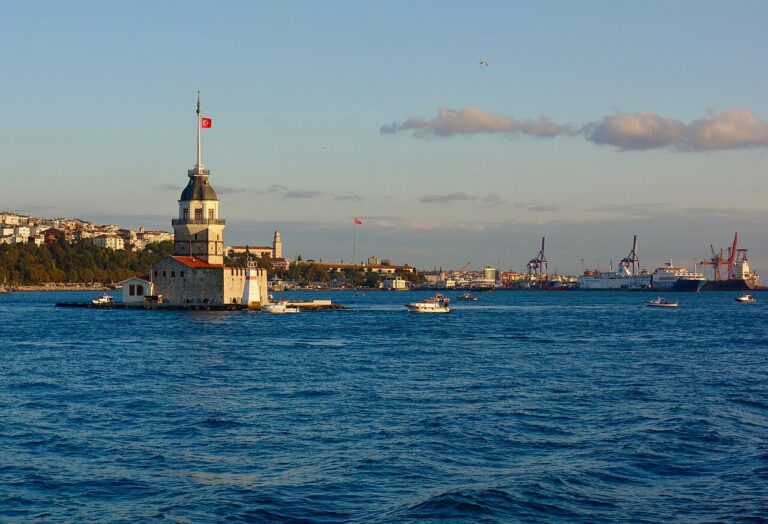
Uskudar is one of the oldest settlements in Istanbul — the Asian shore where the city’s history begins, centuries before the Ottomans crossed the water. Its waterfront carries the great mosques of the empire’s golden age; its hills hold the cemeteries where the city’s centuries rest; its teahouses and its markets keep the traditions of the Asian shore alive; and its tower — the Maiden’s Tower in the strait — is the emblem of the city’s legends. This guide tells the story of Uskudar: the ancient foundations, the Ottoman centuries, the modern district, and the culture that makes it what it is today.
The Ancient Foundations: Chrysopolis, the Golden City
The history of Uskudar begins in the deep past. The settlement on the Asian shore, known to the Greeks as Chrysopolis — the Golden City — was a trading port from the earliest centuries, its position on the sea routes making it a prize that the empires of the region fought to hold. For the Byzantines it was the Asian gateway of the capital across the water, the landing point for armies and merchants, and the site of battles for control of the strait. The deep history is the foundation layer of the district — the sense that this shore has been the city’s threshold for millennia — and the modern archaeology, like the ancient remains surfacing in the hills, keeps the layer alive.
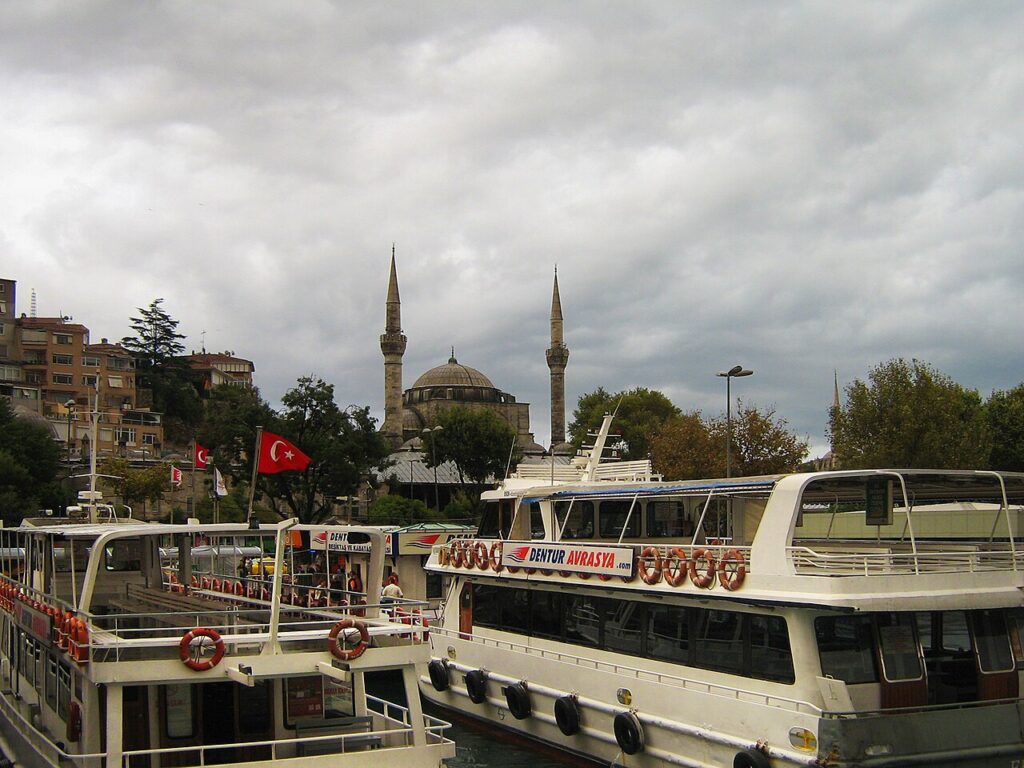
The Ottoman Centuries: The Great Mosques
The Ottoman centuries transformed Uskudar into the district of the grand mosques. The sultans and the great families of the empire built their religious complexes along the waterfront — the chain of domes and minarets that still defines the shore: the Mihrimah Sultan Mosque, built by the architect Sinan for the sultan’s daughter; the Şemsi Paşa, the small masterpiece at the water’s edge; the Yeni Valide, the grand complex of the 18th century. The district became the pious heart of the Asian shore — the site of the great foundations, the schools and the hospitals that the complexes carried — and the waterfront developed its character as the city’s religious and ceremonial threshold. The mosques of Uskudar are the visible history of that world, and the walk along the shore is the walk through it.

The Nineteenth Century: The Barracks and the War
The nineteenth century brought Uskudar its place in the wider world’s history. The great Selimiye Barracks, built on the hill above the district, became the British military hospital during the Crimean War — and it was there that Florence Nightingale and her nurses transformed military medicine, the nightingale lamp making its rounds through the wards of the wounded. The war stories of the district are the layer that the guidebooks skip: the hospital, the nurses, the revolution in care that the conflict produced. The same era saw the district’s modernization — the ferries regularized, the waterfront developed, the commuter life of the Asian shore taking its modern shape.
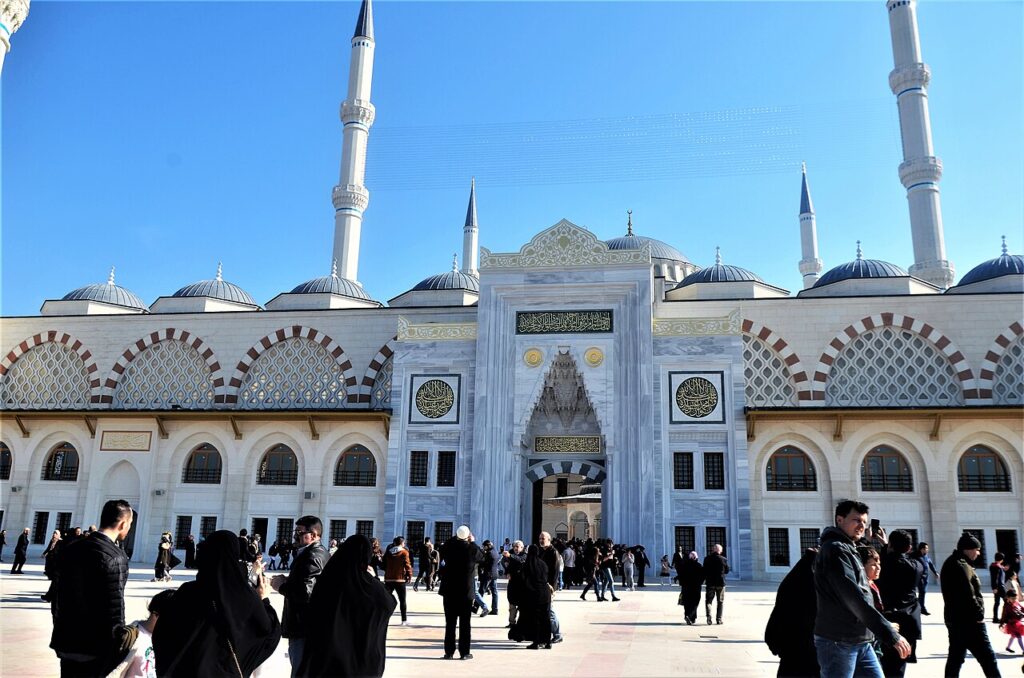
The Republican Century: The Commuter District
The twentieth century made Uskudar the commuter heart of the Asian shore. The early republic brought the growth of the city across the water; the ferries became the arteries of the district’s daily life, carrying the workers and the students of the shore to the European side; the hills filled with the neighborhoods of the growing city; and the district settled into its modern character — the working shore of teahouses and markets, traditional and devout, lived daily by the families who cross the water. The century also brought the tower’s modern chapter — the Maiden’s Tower, the ancient landmark, becoming the restaurant and the venue that it is today — and the hill’s: Çamlıca, the traditional viewpoint, gaining the great modern mosque that crowns it.
The Culture of the District Today
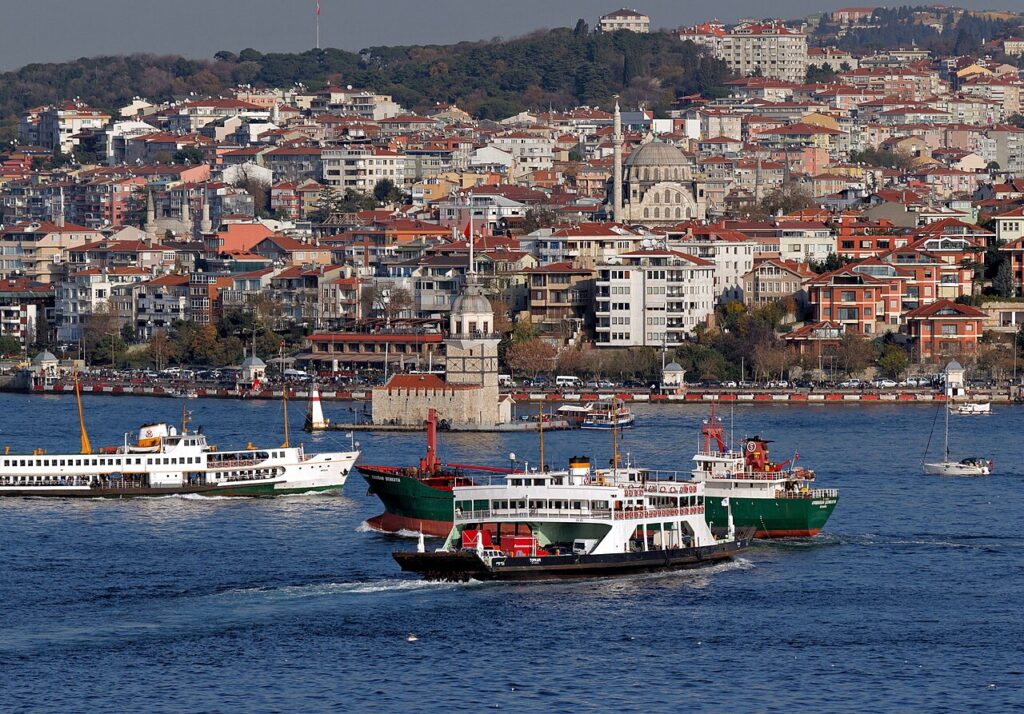
The culture of modern Uskudar is the sum of its history, and it has a character that is instantly recognizable. It is a teahouse culture: the tulip glasses, the backgammon boards, the long conversations — the traditional social life of the Asian shore, still lived daily. It is a pious culture: the working mosques of the waterfront and the hills, the daily calls to prayer, the district’s conservative and devout character — the other Istanbul, less visible to the tourist quarters. It is a food culture: the lokantas, the breakfast spreads, the fish dinners, the puddings — the table as the center of the day. And it is a commuter culture: the ferries and the Marmaray carrying the daily crossings, the district’s life organized around the water that connects it to the city.
The Layers, Read Together
The traveler who walks Uskudar with its history in mind sees the district in three dimensions. The waterfront mosques tell the Ottoman story; the barracks tell the story of the war and the nurses; the teahouses and the markets tell the everyday one; the tower ties them all to the water and the legends; and the hill holds the modern layer — the great mosque, the panorama, the city below. Every layer is visible to the eye that knows to look, and the district’s particular quality — the sense of the traditional city, still lived, still intact — is the direct result of that depth. Uskudar is the oldest shore of the city, the Asian threshold that the empires crossed — and the district that keeps the traditions of that history alive in its daily life.
The Culture of the Table and the Glass
The daily culture of Uskudar is carried by two institutions: the table and the glass. The table is the lokanta and the breakfast spread, the fish dinner and the pudding shop — the food of the district, priced for its residents, cooked the traditional way. The glass is the teahouse — the tulip glass that fills and refills through the day, the backgammon board, the conversation, the view of the strait. Together they form the social fabric of the district: the place where the neighbors meet, the news is exchanged, the games are played, and the time is taken. The traveler who sits at the table and the glass has entered the culture of Uskudar, which is the oldest culture of the Asian shore — the daily life of the city’s threshold, still lived, still welcoming, still the same in its essentials as it was in the centuries before the ferries ran.
A Final Word on the District
Uskudar rewards the visitor who slows down — the one who drinks the tea rather than photographing it, who sits in the courtyard rather than rushing the mosque, who takes the ferry without a destination. The district’s history is long, its monuments are grand, and its legends are famous; but its genius is the daily life — the teahouse, the table, the water, the walk — that carries all of it forward. It is the threshold of the city, and the traveler who crosses to it crosses into the traditional Istanbul — the one the empire built, the tower still guards, and the residents still live, every day, on the oldest shore of the city, in plain sight of any visitor who takes the ferry across.
Frequently asked questions
How old is Uskudar?
The settlement reaches back to the ancient world — the Greeks knew the shore as Chrysopolis, the Golden City, a trading port from the earliest centuries.
What is the Maiden’s Tower’s history?
The tower in the strait has served as a customs post, a quarantine station, and now a restaurant and venue — and it carries the city’s most famous legend, of the princess locked away to escape the prophecy.
Why are the mosques so important to Uskudar?
The Ottoman centuries made the district the pious heart of the Asian shore — the chain of grand mosques along the waterfront, built by the sultans and the great families, still defines the district’s character.
What is the Selimiye Barracks’ place in history?
It was the British military hospital during the Crimean War, where Florence Nightingale transformed military medicine — a chapter of world history set on the Asian shore.
What makes Uskudar culture distinctive?
The teahouse life, the working mosques, the traditional food, and the commuter rhythm — the traditional Asian shore, still lived daily, the other Istanbul.
Where can I see the history in a single walk?
The waterfront walk from the piers past the great mosques to the tower viewpoint covers the Ottoman layer; the hill behind holds the barracks and the cemeteries; and the teahouses and the market streets carry the everyday one.
What is the Maiden’s Tower legend?
The most famous story of the strait — the princess locked away in the tower to escape the prophecy of death by snakebite, the snake smuggled in with a basket of grapes, the prophecy fulfilled.
Is the district still traditional today?
Yes — and proudly. The teahouses, the working mosques, the lokantas, and the commuter rhythm are the daily life of the district, the traditional Asian shore kept alive through the modern century.

All Over Information
The All Over Information editorial team researches and writes practical English-language guides to Turkey. Facts are checked against official and local sources before publication, prices are published as dated ranges rather than quotes, and guides are revised when things change. We accept no sponsored posts, paid placements or paid links.
More guides like this

Family-Friendly Activities in Uskudar
Uskudar is the district that families discover and then quietly make their own.

Uskudar on a Budget: Money-Saving Travel Tips
Uskudar is already one of the cheapest parts of Istanbul to visit — a working Asian-side district where the prices are the…

Shopping Guide: What to Buy in Uskudar
Shopping in Uskudar is the local version of the Istanbul shopping experience — and the better one for the traveler who wants…
Photography Spots in Uskudar You Can’t Miss
Uskudar is a photographer's district, and it offers a rare combination: one of the most famous buildings in the strait, a waterfront…
Uskudar in Summer: A Complete Travel Guide
Summer is when Uskudar shows its most beautiful side.

48 Hours in Uskudar: The Perfect Itinerary
Uskudar is the district that rewards a slow weekend.