Mus sits at the center of one of the least visited regions of Turkey, which means the day trips from this quiet provincial capital lead into landscapes and history that most travelers never see. The Muş Plain, the battlefield of Malazgirt, the mountain country toward Bingöl, and the great lake region to the east are all within a comfortable day’s drive. You will need your own transport or patience with village minibuses, but the rewards are the empty roads, the generous hospitality, and the sense of discovering a Turkey that tourism has not yet reached.
Malazgirt and the Battlefield of 1071
The essential day trip from Mus is Malazgirt, an hour’s drive across the plain to the district where the Seljuk army under Alp Arslan defeated the Byzantines in 1071, opening Anatolia to Turkish settlement. The battlefield is open, windswept ground, and standing on it is a genuinely moving experience.
The town itself holds monuments and a museum dedicated to the battle, and the site has become a place of national significance. Read a little history before you go, because the empty plain will make more sense with the story in your head.
Plan a full day and leave early. The drive is easy, the site is free, and the surrounding farmland gives you the classic views of the plain that made this region a prize for empires.
If you are a history enthusiast, a little preparation transforms the visit: the events of August 1071, the rival commanders, and the aftermath are among the best documented of medieval times, and the scale of the battlefield is easier to grasp with the account fresh in your mind. The local museum and monuments help fill in the picture, and the district’s quiet cafes make a good place to sit with the story before the drive back.
Varto and the Gateway to the Mountains
North of Mus, the district of Varto climbs into the foothills of the Bingöl Mountains, a high country of pastures, lakes, and villages that still live by the old seasonal rhythms. The drive itself is the attraction, rising steadily through open valleys with the mountains growing on the horizon.
In summer, the high pastures are green and dotted with flocks; in autumn they turn amber before the first snows; in spring the meltwater fills the streams. Varto town is small and functional, but the surrounding country is magnificent and almost entirely empty of visitors.
Bring a picnic and your own fuel, take the dirt roads with care, and expect the shepherds and villagers to be curious about where you have come from. This is a day trip for the traveler who loves space.

Bulanık and the Murat River Country
East of Mus, the road toward Bulanık follows the Murat River through some of the richest farmland of the province. Bulanık is a market town on the edge of the plain, and the journey gives you the riverside scenery that defines this part of Anatolia.
The river itself is the story: broad, braided channels, bridges, irrigation, and the agriculture that has fed people here for millennia. In spring the water runs high and the fields turn brilliantly green; in autumn the harvest colors stretch to the mountains.
Stop at the roadside tea gardens, watch the river, and see how the plain’s water is shared and managed. It is a quiet day trip, but it explains the region better than any museum.
The Bingöl Mountain Roads
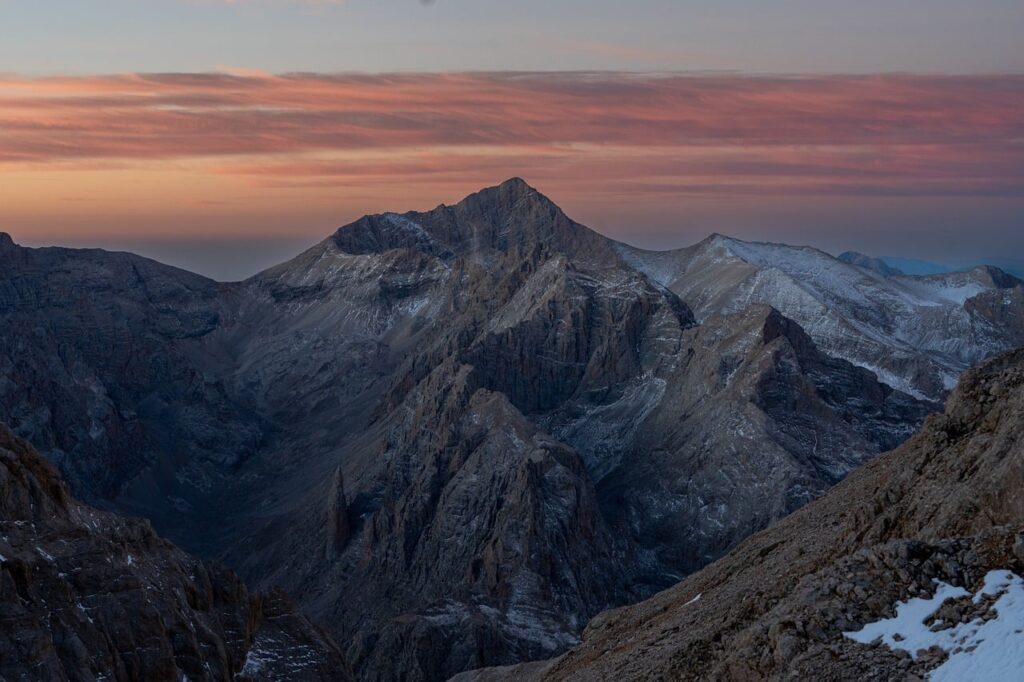
For drivers who love high passes, the mountain country between Mus and Bingöl province is a day of pure scenery. The roads climb through the ranges that separate the plains, crossing passes with views that stretch for miles over lakes, valleys, and seasonal pastures.
The landscape is empty and dramatic, with the classic high-Anatolian mix of bare ridges, summer grazing, and villages of stone and timber. In summer the high country is the coolest escape in the region, and the light at sunset is exceptional.
Check road conditions before you go, carry water and warm layers even in summer, and give yourself a full day with no fixed plans. The mountains decide the pace, and they do it well.
Hasköy and the Plain Villages
South of Mus, the district of Hasköy offers the classic day trip for travelers who want to understand the plain itself: village life, agriculture, and the timeless rhythm of a farming region. The roads between the villages pass fields, flocks, and orchards that look the way they have for centuries.
Stop in the villages, greet the people, and watch daily life: bread ovens, tea houses, and work in the fields. Hospitality in these villages is generous, and a friendly visitor with a few words of Turkish will be treated like a guest rather than a customer.
This is a day for slowing down. Pack a picnic, follow the back roads, and let the plain’s scale and silence do their work, because this is the Mus that guidebooks cannot describe.
Korkut and the Southern Valleys
The district of Korkut, south toward the Bitlis border, opens a different side of the province: valley country where the plain gives way to hills, orchards, and tighter, greener landscapes. The drive from Mus passes through some of the most varied scenery in the province.
The valleys around Korkut are quieter still than the rest of the province, with small towns and farmland that see almost no foreign visitors. It is a good day for walking, for photography, and for experiencing village hospitality at its most genuine.
Give yourself time to be delayed. The tea invitations are frequent, the roads are unhurried, and the day that has no fixed destination is the day that works best here.

Bitlis: The Mountain City
East of the plain, over the passes toward Lake Van, the city of Bitlis is a dramatic day trip from Mus. The city climbs a steep valley beneath its medieval castle, with a river running through the center, and its stone architecture and narrow streets feel centuries old.
Bitlis has a rich history as a border city between empires, and its old quarter, mosques, and historic baths repay a slow walk. The road from Mus crosses the mountains in scenery that changes from plain to gorge in an hour.
A full day covers the drive and the city, but Bitlis rewards overnighters. If you are heading toward Lake Van anyway, this is the natural first stop, and the descent into the valley is one of the great drives of eastern Turkey.
Ahlat and the Seljuk Graveyard
On the northwestern shore of Lake Van, the town of Ahlat is famous for one of the most remarkable medieval sites in Turkey: a vast graveyard of carved Seljuk tombstones, some of them two meters tall, decorated with intricate geometric and floral relief.
The stones are the largest collection of their kind, and the site, which sits on the UNESCO tentative list, is moving in its silence and scale. The lake shore itself, the castle mound, and the town complete the picture.
Ahlat is a long day trip from Mus, so leave early and take the road via Bitlis or Tatvan. The drive, the lake, and the stones will fill the day completely, and the graveyard alone is worth the journey.

Tatvan and the Shores of Lake Van
The town of Tatvan, on the western shore of Lake Van, makes the lake accessible from Mus in a single day. The road crosses the mountains and drops to the water, and the first view of Turkey’s largest lake, ringed by the volcanic peaks of the region, is unforgettable.
In Tatvan you can walk the shore, take in the mountain views, and, if time allows, ride up to Nemrut Crater Lake, the collapsed volcano above the town whose crater holds its own small lake. The crater is reached by a rough mountain road and repays the effort.
This is a full day with an early start and a late return. Pack for the altitude, carry water, and give yourself enough time on the lake shore to absorb a landscape that feels more like an inland sea than a lake.
The road between Mus and Tatvan is one of the most scenic in the region, so build in stops at the mountain viewpoints rather than racing through them. Even a short ferry-free afternoon on the shore, with the volcano of Nemrut behind you and the lake stretching to the horizon, explains why this corner of Turkey draws travelers who come for the long way around.
Lake Van and the Long Day East
For travelers with energy and a willingness to drive, the eastern shore of Lake Van and the city of Van itself make the longest day trip from Mus, a full-day expedition that crosses the whole of the lake’s western and northern shores.
The city of Van is famous for its castle on the lake shore, its Ottoman-era old town, and its position at the heart of Kurdish eastern Anatolia. The lake views along the way, particularly around the northern shore, are among the finest in Turkey.
This day works best for travelers who want to scout Van as a future base or who have a high tolerance for long drives. For everyone else, Ahlat or Tatvan captures the lake’s magic with less road.
Frequently asked questions
How far is Malazgirt from Mus?
Malazgirt is roughly an hour’s drive across the plain from the center of Mus, and the road is good. A day trip that leaves after breakfast and returns by evening gives you time for the battlefield, the monuments, and lunch in the town. Without a car, morning minibuses run from the bus station, but driving gives you far more freedom.
Can I see Lake Van in a day from Mus?
Yes, with an early start. Tatvan on the western shore is the closest point, and you can walk the shore and return in a day, or push on to Nemrut Crater Lake if you have a robust vehicle. Ahlat and its Seljuk graveyard make a slightly longer day. Reaching the city of Van itself is possible but makes for a very long day.
Do I need a car for day trips from Mus?
It helps enormously. The best day trips, to Varto, the mountain roads, and the plain villages, need private transport or patient use of the minibus network, which runs on village schedules. Malazgirt and Bulanık are reachable by minibus from the central station. A rental car converts the whole province into accessible territory.

All Over Information
The All Over Information editorial team researches and writes practical English-language guides to Turkey. Facts are checked against official and local sources before publication, prices are published as dated ranges rather than quotes, and guides are revised when things change. We accept no sponsored posts, paid placements or paid links.
More guides like this

History and Culture of Mus
The history of Mus is the history of a plain, a great bowl of fertile land in eastern Anatolia that has fed…

A First-Timer’s Guide to Mus
Mus is the sort of city that surprises travelers who expect eastern Anatolia to be either dramatic or difficult. It is neither.

Best Local Food in Mus
The food of Mus is the food of the eastern Anatolian plain: lamb, wheat, dough, dairy, and honey, made with patience and…
Where to Stay in Mus
Mus is not a city of boutique hotels and rooftop bars, and that is precisely what makes it attractive.
Top Things to Do in Mus
Mus is eastern Anatolia's quiet heart, a provincial capital spread across one of the country's most fertile plains and watched over by…