Most visitors to Istanbul never make it to Eyup, and that is their loss. This historic district sits at the head of the Golden Horn, just beyond the old city walls, and it is one of the most atmospheric corners of the city. It is a place of pilgrimage for Muslims, who come to the Eyup Sultan Mosque and the tomb of Abu Ayyub al-Ansari, and it is a place of quiet lanes, Ottoman cemeteries, and hillside cafes for everyone else. The neighborhood feels different from the tourist core: more local, more devout, and slower. This guide covers how to get here, what to see, what to eat, and how to behave with respect.
Eyup at a Glance: Orientation for First-Timers
Eyup lies at the far end of the Golden Horn, the long inlet that separates old Istanbul from Beyoglu. The district spreads up the hillsides around the mosque, so think of it in layers: the waterside promenade at the bottom, the mosque quarter in the middle, and the hills with their vast cemetery and cafes above.
The heart of the district is the square around the Eyup Sultan Mosque, where pilgrims and locals mix all day. From there, streets climb toward Pierre Loti Hill and the cable car, while the waterfront runs toward Sutluce.
For a first visit, keep your focus small. The mosque, the tomb, the hill, and the old streets fill a day comfortably, and the ferry ride up the Horn is half the pleasure. Everything you need is within a short walk or a quick tram ride.
Getting to Eyup: Arrival Made Simple
Eyup is easy to reach, and the journey is part of the experience. The most scenic approach is by ferry from Eminonu, gliding up the Golden Horn past Balat, Fener, and Haskoy before landing at the Eyup pier, a short walk from the mosque.
The tram is the practical option. The line that runs from Eminonu to Alibeykoy passes through Eyup with a stop beside the mosque complex, so you can ride directly from the old city. From Taksim and Beyoglu, a short bus or taxi ride gets you to the tram, or you can walk down to the Horn and take the ferry.
Whichever way you come, buy an Istanbulkart transit card first, because it works on the tram, the ferry, and the cable car alike. Arriving by ferry is worth doing at least once for the skyline views.

The Eyup Sultan Mosque and the Tomb of Abu Ayyub al-Ansari
The Eyup Sultan Mosque is the reason most people come, and it is one of the holiest sites in Istanbul. It was the first great mosque the Ottomans built after the conquest of the city in 1453, raised beside the tomb of Abu Ayyub al-Ansari, a companion of the Prophet Muhammad who is said to have died during the early Arab siege of Constantinople.
The tomb is the focus of the complex, and it draws pilgrims throughout the year. Visitors come to pray, to give thanks, and to make wishes, and the atmosphere is moving. The mosque itself is a graceful building with a single dome, rebuilt in the late eighteenth century after earthquakes and fires damaged the original.
The courtyard is beautiful, with colonnades and fountains. Take your time here. The complex is a living place of worship, and watching the flow of pilgrims, schoolchildren, and families gives you more insight into Turkish life than any museum.
Visiting the Tomb: Rituals and Etiquette
The tomb of Abu Ayyub al-Ansari is visited with specific customs, and knowing them helps you feel comfortable. Shoes are removed before entering, and men and women enter through separate doors, each with their own prayer space around the shrine.
Many visitors arrive with a wish in mind, reciting a prayer and making a small offering. You do not need to participate, but you should be quiet and respectful while others do. Photography is not appropriate inside the tomb itself.
Outside the tomb, the etiquette is simple: dress modestly with shoulders and knees covered, and cover your hair if you are a woman, as you would in any mosque. Friday is the busiest day, so if you want a calmer visit, come on a weekday morning instead.
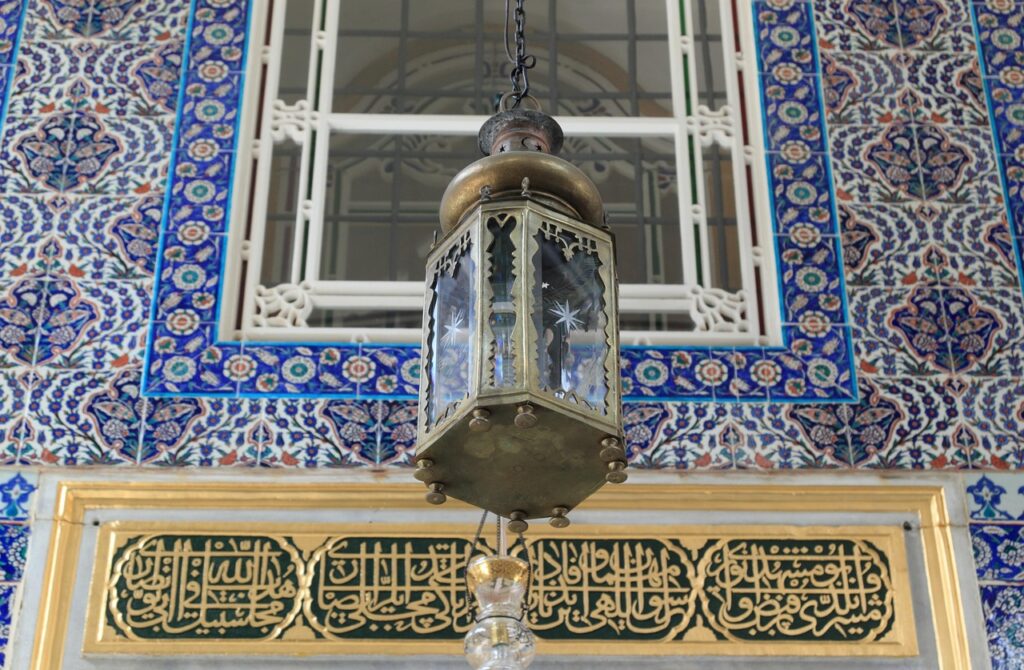
Pierre Loti Hill and the Cable Car
Pierre Loti Hill is Eyup’s great reward, a viewpoint high above the Golden Horn that takes its name from the French novelist who came here to drink tea and write in the 1870s. From the hill, the whole Horn spreads out below you, with the old city and the minarets of Istanbul beyond.
The cable car climbs from the waterside near the pier to the hilltop in a few minutes, and the ride itself is one of the district’s pleasures. The cafe at the top serves tea and Turkish coffee with the best view in the district.
The alternative to the cable car is the walk up through the cemetery paths, which is steep but atmospheric, threading between centuries of Ottoman tombstones. Go at sunset if you can. The light on the Horn and the call to prayer drifting up from the mosque make it a moment you will remember.
The Great Cemetery and the Old Streets
Behind the mosque, the slopes of Eyup are covered by one of the largest and oldest cemeteries in Istanbul, a sacred burial ground that has grown here for more than five centuries. The tombstones, carved with Ottoman calligraphy and topped with stone turbans, stand in silent rows among the cypress trees.
Walking the cemetery paths is a strange and beautiful experience, especially in the late afternoon light. Locals come to tend family graves and to picnic, and the atmosphere is calm rather than mournful. The highest paths give superb views over the Horn and the city.
Between the mosque and the hills, the old streets of Eyup still hold wooden houses, carved fountains, and small workshops where artisans ply their trades. Wander without a plan. The side lanes off the main avenues hide the most character, from faded Ottoman facades to tiny teahouses.
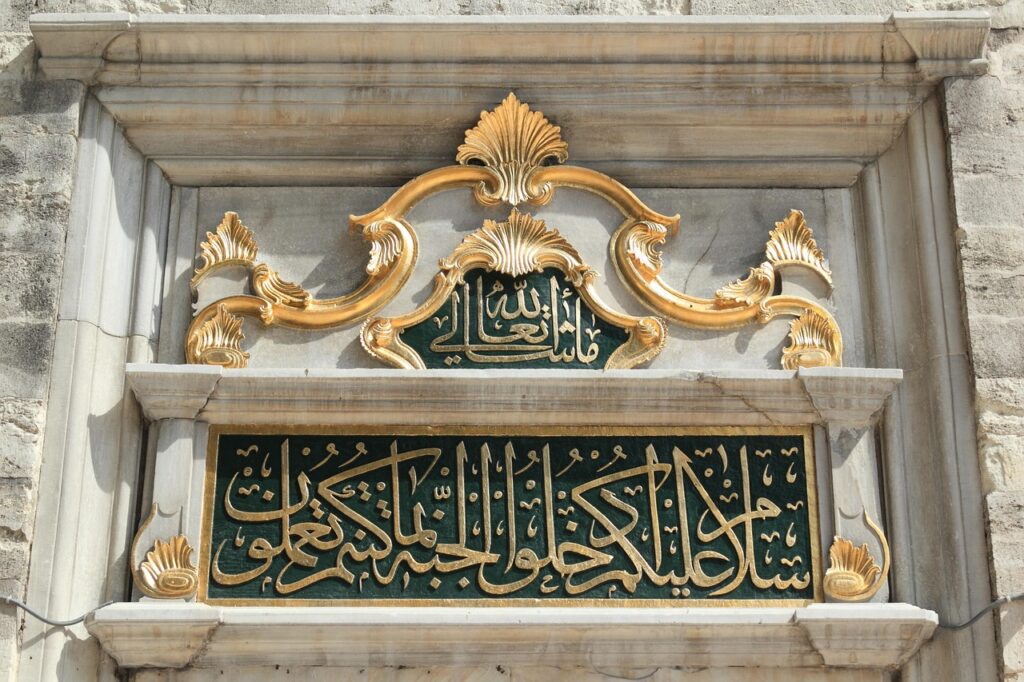
What to Eat in Eyup
Eyup is a fine place to eat, and the food here is more local than in the tourist districts. Around the mosque square you will find the classics of Istanbul street food: simit rings, roasted corn, and chestnuts, alongside small restaurants serving the kofte and grilled meat dishes that pilgrims have eaten for generations.
The tea gardens of Pierre Loti and the waterside cafes are the places to sit, with views over the Horn and tulip glasses of tea that cost little and last long. Breakfast is a strong tradition, with the full Turkish spread of cheeses, olives, menemen, and honey available in the old quarter.
For something sweet, the bazaar streets around the mosque sell lokum, helva, and other confections, and in warmer months you will find vendors of tamarind sherbet, a traditional drink once served to pilgrims. Keep an eye on the queues: wherever locals wait, the food is worth the wait.
Practical Tips for Your Visit
A few practical notes will make your first visit smoother. Dress modestly for the mosque complex, carry a scarf in your bag in case, and remember that shoes come off before entering the tomb and the prayer halls. Keep your visit quiet and unhurried, especially on Fridays.
The district is safe, but as anywhere in Istanbul, keep your wallet close in crowds and agree on any taxi fare before you ride. Bring small cash for tea, simit, and the donation boxes. Most larger shops and restaurants accept cards.
Plan around prayer times, and note that the mosque closes to visitors briefly during the five daily prayers. The cable car gets busy at weekends, so go early in the morning or late in the afternoon.

How Much Time You Need
You can see the essentials of Eyup in half a day, but a full day is the honest recommendation. Morning at the mosque and tomb, lunch in the old quarter, the cable car and Pierre Loti in the afternoon, and the ferry back down the Horn at sunset is a day that sits perfectly.
If you have only an afternoon, prioritize the tomb, the mosque courtyard, and the hill. If you have two days, add the cemetery walks, the Silahtagara power station museum on the edge of the district, and a morning exploring the waterfront neighborhoods along the Horn.
The district rewards slowness. It is a place to sit, to drink tea, and to watch, rather than to check off sights. First-timers who rush through Eyup remember a mosque; those who linger remember a whole world.
Mistakes First-Timers Should Avoid
The most common first-timer mistake is visiting on a Friday afternoon and being surprised by the crowds at the tomb, so plan around the prayer rush if you dislike queues. Another is skipping the hill because the cable car looks touristy, when the view is one of the best in Istanbul.
Many visitors also dress for sightseeing rather than for worship, then feel awkward at the tomb. Dress modestly from the start and you will feel at ease. Others never see the cemetery or the old streets, which are where the district’s real character lives.
Finally, do not make Eyup a quick stop on the way to somewhere else. Give it the morning, or the whole day, and let the district set its own pace. The travelers who enjoy Eyup most are the ones who come with no checklist at all.
Frequently asked questions
Is Eyup worth visiting if I have limited time in Istanbul?
Yes, if you have even half a day to spare. Eyup is unlike anywhere else in Istanbul: a working pilgrimage district with a holy tomb, an atmospheric hillside cafe, and one of the great panoramas of the Golden Horn. It is easy to reach by tram or ferry from the old city, so a morning here costs little time and gives a genuinely different view of Istanbul, its faith, and its history.
Do I need to dress modestly to visit the mosque and tomb?
Yes. Both the Eyup Sultan Mosque and the tomb of Abu Ayyub al-Ansari are working religious sites, and visitors are expected to cover their shoulders and knees. Women are asked to cover their hair, and shoes are removed before entering. Scarves are usually available at the entrance, but it is easier to bring your own. On Fridays the complex is busy with pilgrims, so modest dress matters most.
How do I get to Pierre Loti Hill?
The easiest way is the cable car, which runs from the waterside near the Eyup pier up to the hilltop in a few minutes. Alternatively, you can walk up through the cemetery paths, which takes longer but is atmospheric, passing between old tombstones and cypress trees. From the top, the cafe terrace looks out over the whole Golden Horn, and the view is at its best at sunset.

All Over Information
The All Over Information editorial team researches and writes practical English-language guides to Turkey. Facts are checked against official and local sources before publication, prices are published as dated ranges rather than quotes, and guides are revised when things change. We accept no sponsored posts, paid placements or paid links.
More guides like this
Shopping Guide: What to Buy in Eyup
Eyup's shopping is unlike the bazaars of the tourist districts.
48 Hours in Eyup: The Perfect Itinerary
Two days in Eyup is enough to see the pilgrimage heart, climb the hill, explore the cemetery and the old streets, and…

Eyup in Winter: What to Expect
Winter is the secret season of Eyup. The crowds thin, the pilgrimage buses shrink to a trickle on weekdays, and the district…

The Best Day Trips from Eyup
Eyup sits at the head of the Golden Horn, which turns out to be a fine position for exploring Istanbul.

Photography Spots in Eyup You Can’t Miss
Eyup is one of Istanbul's most photogenic districts, and its images are unlike anywhere else in the city.

How to Get to Eyup from Istanbul
Eyup sits at the head of the Golden Horn, just beyond the old city walls, and it is easier to reach than…