The province of Şırnak holds the far southeast of Turkey: the mountains, the rivers, the old towns, and the frontier landscapes that the travelers rarely reach. The city is the base, and the region around it holds the day trips — the river town of Cizre, the mountain valleys, the historic sites, and the highland villages. This guide collects the best day trip ideas from Şırnak, with the practical notes of each one.
Cizre: The Historic River Town
The classic day trip from Şırnak is the drive to Cizre — the historic town to the southwest, on the bank of the Tigris. The town is one of the oldest settlements of the region, and its layers are visible in the streets: the old town with its stone houses, the historic bridge over the Tigris, the Ulu Cami with its Seljuk-era carving, and the medreses of the old quarter. The town is also the center of the region’s history and culture — the home of the celebrated poets and scholars of the area, remembered in the town’s monuments.
The practical trip: Cizre lies about an hour from the city by the road, and the minibuses and the shared taxis run the route through the day. The morning is the time — the old town in the cool hours — and the riverside tea houses of Cizre are the natural rest of the visit. The day in Cizre is the essential excursion of the province: the history and the river of the region, in the town that holds them.
The Cudi and the Gabar Mountains
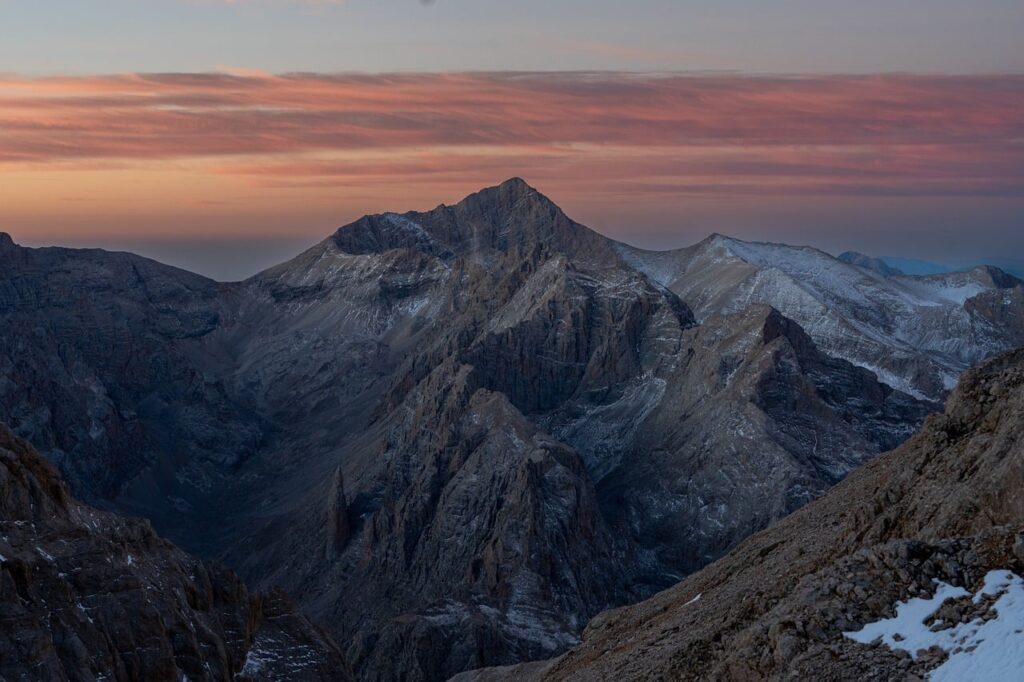
The mountains of the province — the Cudi and the Gabar ranges — hold the wild landscapes of Şırnak: the high ridges, the valleys, and the plateau villages of the heights. The day trip into the mountains is the drive and the walk: the roads climbing from the plain, the villages of the slopes, and the views over the frontier country toward the borders. The highlands of the region are the summer pastures — the yayla life of the shepherds and the flocks — and the mountain air is the relief of the region’s heat.
The practical trip: the mountain roads are the rough ones, and the drive needs the vehicle and the daylight; the villages of the slopes are the stops, and the plateau views are the reward. The mountain day is the trip for the adventurous — the landscape of the far southeast, seen from its heights.

The Frontier Landscapes
The position of Şırnak — on the border with Syria and Iraq — gives the region its frontier landscapes: the checkpoints, the border stations, and the wide views over the neighboring lands. The day trip of the frontier is not the sightseeing of the usual kind — the border areas are the sensitive ones, and the visits follow the rules of the region — but the views from the heights of the province take in the frontier country, and the sense of the border is part of the region’s character.
The practical notes are the essential ones: the border areas require the identification and the respect for the security rules, the photography of the military facilities is forbidden, and the travel should follow the current guidance. The frontier is the context of the region, and the visitor experiences it with the care it requires.
The River Valleys
The rivers of the province — the Tigris and its tributaries — cut the valleys of the region, and the valley landscapes hold the green of the far southeast. The day trip of the valleys is the drive along the rivers: the fields, the orchards, and the villages of the water, with the river life of the region — the fishing, the irrigation, and the riverside tea houses. The Khabur and the other streams of the province add their valleys to the region’s landscape.
The practical trip: the river roads run from the city and the towns, and the valley drives are the easy excursions of the region — the green landscapes of the southeast, away from the mountain tracks.

The Historic Sites of the Region
The province holds the historic sites of the borderland, scattered through its districts. The remains of the old settlements, the bridges, and the religious buildings of the region — the churches and the mosques of the centuries — are the stops of the history-minded traveler, and the museums of the region hold the finds of the area. The sites are the modest ones of a province the travelers rarely reach — the interest is in the discovery rather than the grand monument.
The practical trip: the sites are spread through the districts, and the visits need the local transport and the planning; the history of the region is the deep one, and the traveler with the time and the curiosity finds the rewards.
The Highland Villages
The villages of the highlands — the settlements of the mountain slopes and the plateaus — are the day trips to the traditional life of the region. The villages hold the stone houses, the flocks, and the daily life of the highland people; the guesthouses of the villages welcome the visitors, and the village meals — the breads, the dairy, and the simple dishes of the heights — are the honest food of the region.
The practical trip: the villages lie on the mountain roads, and the visits need the vehicle and the daylight; the reward is the encounter with the life of the highlands — the people, the landscape, and the hospitality of the far southeast.
The Structure of the Day Trips
The day trips from Şırnak arrange themselves by the compass. The southwest trips — Cizre and the river — suit the history and the culture: the old town in the morning, and the riverside tea in the afternoon. The mountain trips — the Cudi and the Gabar — suit the landscape: the drives and the walks of the heights, in the cool of the morning and the evening. And the valley trips — the rivers and the villages — suit the gentle pace: the green landscapes and the village life, through the day. The structure of the trips is the structure of the region: the history to the southwest, and the heights and the valleys around.
The Rhythm of the Excursions
There is a rhythm to the excursions that makes the base of Şırnak the traveler’s anchor. The day trips leave from the city and return to the city — the stay holds the base, and the region turns around it. The mornings belong to the road — the drives of the province are the long ones, and the destinations arrive within the hours. The days belong to the destinations — the town, the mountains, or the valleys, each with its own character. And the evenings belong to the city — the lokanta dinner, the tea house, and the rest of the base. The visitor who uses the city as the base sees the region whole: the far southeast, in the day trips of the province.

The Practical Notes of the Trips
The practical notes of the Şırnak day trips make the excursions work. The transport: the minibuses and the shared taxis connect the city to the districts and the towns, and the vehicle is the essential for the mountain roads — the traveler with the car has the freedom of the province, and the traveler without it follows the shared transport of the region. The timing: the drives of the province are the long ones, and the days should start early — the morning light and the cool hours belong to the road and the destinations.
The other notes: the fuel and the supplies should be arranged before the mountain drives, the identification should always be carried in the borderland, and the weather of the mountains changes quickly — the layers and the rain gear serve the highland trips. And the security awareness of the region should never be forgotten: the current travel guidance should be checked, and the main roads and the daylight should be followed. The practical preparation — the vehicle, the timing, and the care — turns the long drives of the province into the rewarding excursions.
Frequently asked questions
What day trips can you do from Sirnak?
The best day trips from Şırnak are: Cizre for the historic river town, the Cudi and the Gabar mountains for the highlands, the river valleys for the green landscapes, and the historic sites and the highland villages of the region.
Is Cizre worth visiting from Sirnak?
Yes — Cizre is the essential excursion of the province: the historic town on the Tigris with the old quarter, the Ulu Cami, and the historic bridge. The town lies about an hour from the city and makes the full day trip.
Are the mountains near Sirnak accessible?
The Cudi and the Gabar mountains are reached by the mountain roads, and the drives need the vehicle and the daylight. The highland villages and the plateau views are the rewards of the mountain trips.

All Over Information
The All Over Information editorial team researches and writes practical English-language guides to Turkey. Facts are checked against official and local sources before publication, prices are published as dated ranges rather than quotes, and guides are revised when things change. We accept no sponsored posts, paid placements or paid links.
More guides like this

A First-Timer’s Guide to Sirnak
Şırnak is Turkey's mountain frontier, a provincial capital wedged between the high peaks of the southeast and the border with Iraq.
Where to Stay in Sirnak
Şırnak sits in the far southeast of Turkey, a mountain city with a frontier character, and choosing where to stay shapes the…
Top Things to Do in Sirnak
Şırnak is a region of mountains and rivers, borderlands and legends, and its best experiences are found where the landscape meets its…

History and Culture of Sirnak
Şırnak sits in the far southeast of Turkey, in the mountain country between the Tigris and the frontier, and its history is…

Best Local Food in Sirnak
The food of Şırnak is the honest cooking of the far southeast: the kebabs, the rice dishes, the soups, and the breads…