Şırnak is Turkey’s mountain frontier, a provincial capital wedged between the high peaks of the southeast and the border with Iraq. It is not a city of famous monuments or crowded sights, and that is exactly its appeal: travelers who make the journey find a dramatic landscape, historic towns like Cizre on the Tigris, and a culture that has guarded its mountain way of life for centuries. For a first-time visitor, Şırnak offers the most unpolished, authentic corner of Turkey you can reach by road. This guide covers how to get here, what to see, what to eat, and the practical details that make a first visit smooth.
Why Şırnak Appeals to First-Time Visitors
Şırnak sits in the far southeast of Turkey, where the plains of Mesopotamia rise suddenly into the Kurdish mountains. The city itself is built on the hillside, its stone houses climbing above the valley, and the peaks of the region, including the celebrated Mount Cudi, stand on the horizon.
For first-timers, the appeal is the landscape and the authenticity. There is no tourist industry here in the familiar sense, which means the bazaar, the tea gardens, and the mountain roads are exactly as they have always been, and the welcome you receive is genuine.
The region also holds real treasures: the historic town of Cizre on the Tigris, the religious significance of Mount Cudi, and highland scenery that rewards every bend in the road. Şırnak asks for an open mind, and it returns the favor with memories that last.
Getting to Şırnak
The nearest airport is Şırnak Airport, near Cizre, which has limited domestic flights, and many visitors instead fly into Diyarbakir or Batman and continue by road. The airport is closer to Cizre than to the city of Şırnak itself, so plan your first night accordingly.
Buses connect the region with Diyarbakir, Mardin, and other centers of the southeast, and the roads from the north cross some of the most dramatic mountain scenery in Turkey. If you drive, the highways are good, though the mountain roads demand care, especially in winter.
For most first-timers, the simplest plan is to fly into Diyarbakir or Batman, spend a day there, and continue to the Şırnak region for two or three days. The distances are manageable, and the region links easily into a larger southeast itinerary.

When to Visit and How Long to Stay
The best seasons for Şırnak are spring and autumn. From April to June, the mountains are green, the rivers are full, and the temperatures are pleasant, while September and October bring clear skies and golden light to the valleys.
Summer is hot on the plains around Cizre, though the mountain districts stay cooler, and winter brings cold and snow to the high passes, which can close briefly. Spring is the ideal window, when Mount Cudi and the highlands are at their most beautiful.
Most first-timers find two to three days right: one for the city and its surroundings, one for Cizre and the Tigris, and a third for the mountains or a drive through the borderland. Add more if you want to explore the highland districts at leisure.
Getting Around the Region
The city of Şırnak is built on a hillside, and its old quarter rewards walking, though the slopes are steep. The center holds the bazaar and the essential services, and a stroll through the stone streets covers the city’s character.
For Cizre, the Tigris, Mount Cudi, and the mountain districts, you will need a car or a taxi. Taxis can be hired for the day, and the drivers know every road, so a hired car with a driver is the most practical way to see the region.
The road between Şırnak and Cizre passes through the Kasrik gorge, a narrow canyon that is one of the most striking drives in the southeast. Give yourself time to stop and look, because the scenery is part of the journey.
The City of Şırnak
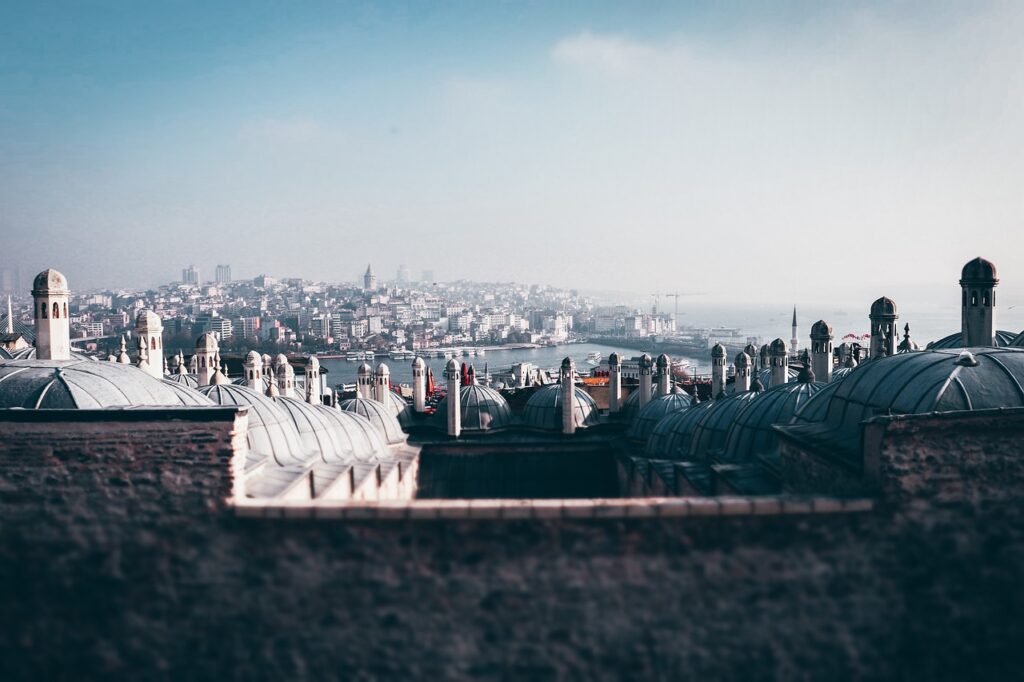
The city of Şırnak is the region’s capital, and its character is set by the mountains that surround it. The old quarter climbs the hillside in stone houses and narrow lanes, and the views from the upper streets over the valley are the city’s best reward.
The bazaar of the city is a working market, full of the goods of the highlands: dairy, honey, textiles, and the everyday commerce of a provincial capital. It is a place to watch the region’s life rather than to shop for souvenirs.
The city is also the practical base for the region, with hotels, restaurants, and the transport links you will need. Spend your first afternoon here, get your bearings, and plan the countryside for the days ahead.
Cizre and the Tigris
Cizre, the historic town on the Tigris, is the cultural heart of the Şırnak region and the essential day trip. The river runs through the town, and its banks have been inhabited for millennia, with Cizre identified with the ancient fortress city of Bezabde.
The town’s great mosque, dating from the twelfth century, is one of the most important monuments of the region, and it is renowned for its carved wooden door, a masterpiece of medieval craftsmanship that now survives in a museum in Istanbul.
Cizre is also the spiritual home of Al-Jazari, the great medieval engineer whose name means of Cizre, and his tomb stands beside the mosque. The town’s Red Madrasa, a historic school of red brick, completes a remarkable ensemble of heritage.

Mount Cudi and the Sacred Mountain
Mount Cudi, rising above the plains between Cizre and Şırnak, is one of the most significant mountains of the region, associated in Islamic tradition with the resting of Noah’s ark after the flood. Its summit and slopes are places of pilgrimage and legend.
For the visitor, the mountain is a landmark and a destination for those with time and a driver. The roads climb through changing landscapes, and the views from the higher slopes over the Tigris plain and the border country are extraordinary.
Even if you do not climb far, the mountain shapes the whole region, visible on the horizon from Cizre and Şırnak alike. It is the defining feature of the Şırnak landscape, sacred, dramatic, and impossible to ignore.
The Borderland and the Habur Crossing
Şırnak province is a borderland, and its position on the frontier with Iraq is part of its identity. The main crossing at Habur, in the district of Silopi, is one of Turkey’s busiest border gates, and the road to it passes through the working landscape of the plains.
For most visitors, a drive toward the border is an experience of the region’s strategic character: the checkpoints, the trucks, and the sense of a frontier at work. Stay well within the rules, keep your documents ready, and treat the border zone with respect.
The borderland also explains the region’s culture, which has been shaped by trade, movement, and the mixing of peoples for centuries. Seeing it firsthand gives the whole visit context that no book can provide.

Eating and Drinking in the Region
The food of the Şırnak region is the food of the mountains and the river plain: grilled meats, tandır bread from the village ovens, and the dairy products of the highland herds. The yogurt and the cheeses of the region are excellent.
Honey is one of the region’s treasures, gathered from the hives of the mountains, and it appears on every breakfast table. The tea culture is strong, and the tea gardens of the towns are the social heart of the region.
Eat where the locals eat, follow the queues, and accept what is offered. The cuisine of Şırnak is simple and generous, and it is the daily life of the region on a plate.
Practical Tips for First-Timers
Carry cash, because many shops and lokantas prefer it, and ATMs are available in the towns but not everywhere. Dress modestly, especially in the villages and at religious sites, and pack for both heat and cool mountain evenings.
The region is safe and welcoming, but it is a border province with a military presence, so carry your passport, follow local advice, and avoid straying from the main roads into sensitive areas. A little care makes everything smooth.
Learn a few words of Kurdish alongside your Turkish, since it is the daily language of many people here. The effort is appreciated, and the warmth it unlocks is the best part of visiting the region.
The Highland Districts
Beyond the city and the plain, the highland districts of Şırnak hold some of the most dramatic landscapes in Turkey. The roads climb through the mountains to towns like Uludere and Beytüşşebap, where stone villages cling to the slopes above deep valleys.
These are working landscapes of shepherds and farmers, and the welcome in the tea gardens is universal. The scenery, with its peaks, terraces, and rivers, is the region at its wildest, and it rewards those with a car and a day to spare.
The highlands are also where the region’s traditions live most strongly, in the music, the hospitality, and the rhythm of the seasons. For travelers who want the true mountain Şırnak, the highland road is the answer.
Frequently asked questions
How many days should you spend in Şırnak?
Two to three days is right for a first visit: one day for the city and its surroundings, one for Cizre and the Tigris, and a third for Mount Cudi, the Kasrik gorge, or the highlands. The region is small in distance but rich in landscape, so a relaxed pace is best.
Is Şırnak safe for tourists?
Yes, Şırnak is safe for travelers who follow local guidance. It is a border province with a visible security presence, so carry your documents, stay on the main roads, and treat the border zone with respect. The hospitality is genuine, and the region is increasingly open to visitors.
What is Şırnak famous for?
Şırnak is famous for its mountain setting, its borderland position, and the historic town of Cizre on the Tigris, home of the medieval engineer Al-Jazari and the great mosque with its renowned carved door. Mount Cudi, sacred in Islamic tradition, dominates the region’s landscape.

All Over Information
The All Over Information editorial team researches and writes practical English-language guides to Turkey. Facts are checked against official and local sources before publication, prices are published as dated ranges rather than quotes, and guides are revised when things change. We accept no sponsored posts, paid placements or paid links.
More guides like this

History and Culture of Sirnak
Şırnak sits in the far southeast of Turkey, in the mountain country between the Tigris and the frontier, and its history is…
Where to Stay in Sirnak
Şırnak sits in the far southeast of Turkey, a mountain city with a frontier character, and choosing where to stay shapes the…

Best Local Food in Sirnak
The food of Şırnak is the honest cooking of the far southeast: the kebabs, the rice dishes, the soups, and the breads…

Day Trip Ideas from Sirnak
The province of Şırnak holds the far southeast of Turkey: the mountains, the rivers, the old towns, and the frontier landscapes that…

Top Things to Do in Sirnak
Şırnak is a region of mountains and rivers, borderlands and legends, and its best experiences are found where the landscape meets its…