Winter is the secret season of Eyup. The crowds thin, the pilgrimage buses shrink to a trickle on weekdays, and the district settles into a slower, more intimate rhythm. The low sun, the rain on the cobbles, and the steam rising from the tea glasses all suit a district that has never been in a hurry. This guide tells you what winter in Eyup is really like, and why it may be the best time to come.
Winter Weather in Eyup
Istanbul winters are cool and damp rather than freezing. Expect temperatures hovering around the low end of the scale, with rain on many days and the occasional crisp, clear morning that makes the whole city sparkle. Snow is rare, but when it falls, Eyup is magical.
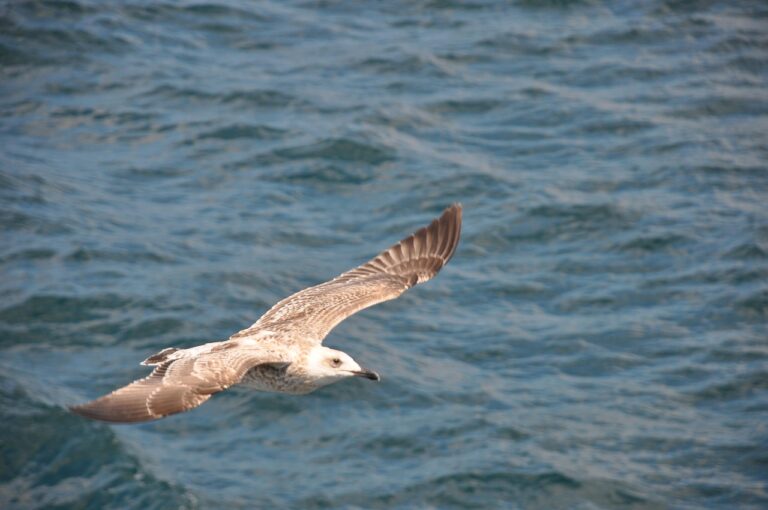
The Golden Horn takes on a particular grey-silver beauty in winter, with the ferries cutting through the mist and the gulls working the shoreline. The light is low and soft, and the hills of the district disappear into the clouds on foggy days.
Pack for layers and wet: a warm coat, a waterproof layer, a hat, and good shoes for the wet cobbles. The streets are narrow enough that the buildings shelter you from the wind, and the rain rarely lasts the whole day. The cafes and tea gardens are warm, and the district is comfortable enough that the weather rarely stops you.
The Quiet Season at the Mosque
Winter is the calmest time to experience the Eyup Sultan Mosque. The crowds of the summer and the pilgrim tides of the religious holidays recede, and the courtyard belongs to the pigeons, the schoolchildren, and the faithful.
The tomb of Abu Ayyub al-Ansari still draws visitors throughout the year, but the queues shrink and the atmosphere becomes more contemplative. This is the season to take your time, to sit in the courtyard, and to feel the weight of the place without the crush.
Friday still brings the weekly tide of worshippers, so the weekday mornings remain the calmest window. The evening prayer in winter comes early, and the lights of the minarets glow through the early dark, a sight that summer visitors never see. Winter’s gift to the visitor is space and silence in the very heart of the district.

The Hill in the Mist
Pierre Loti Hill in winter is a different place from its summer self. The cafe still serves tea and coffee, but the terrace is often wrapped in mist, with the Golden Horn appearing and disappearing below like a painting coming slowly into focus.
On clear winter days, however, the visibility can be extraordinary, with the cold air holding the views crisp and far. The old photographs in the cafe show the hill in every season, and the winter ones are the most atmospheric of all. The cable car rides are short and the queues are nonexistent, and the hilltop feels private in a way it never does in summer.
The walk up through the cemetery paths is also at its best in winter, when the bare branches and the low sun make the old headstones dramatic. Dress warmly, take the long way, and the hill will reward you.
Indoor Pleasures
Winter is the season for the district’s indoor life, and Eyup has more of it than you might expect. The Silahtagara power station museum, with its vast brick halls and its exhibitions, is the perfect rainy-day destination.
The covered bazaar streets of the mosque quarter also come into their own in winter, their roofs keeping the rain off as you drift past the sweet shops and the bead makers. A slow hour of shopping and tasting is the classic cold-day occupation.
And the tea houses of the district, steamy and crowded in winter, are among the most atmospheric places in Istanbul. The winter tea house is a small institution of its own, and an hour in one is a lesson in the city’s sociability. Push through the door, order a tea, and let the conversation of the regulars wash over you.

Winter Foods and Drinks
Winter sharpens the appetite, and Eyup’s kitchen answers it. The kofte and the grilled meats of the mosque quarter are at their most welcome on cold days, and the lokanta trays are full of the hearty stews of the season.
This is the season of the Black Sea anchovy, hamsi, which arrives in the markets and on the waterside menus in dozens of fried and grilled forms. The fish markets along the shore do their most colorful trade in winter, when the boats come in heavy with the catch. A plate of hamsi by the Horn, with bread and a glass of tea, is the taste of an Istanbul winter.
The sweet shops do their warm trade too: helva, lokum, and the pastries that go with tea. And the tamarind sherbet of summer gives way to the hot drinks of winter, with tea and salep, the creamy orchid-root drink, at the top of the list.
The Cemetery in Winter Light
The great cemetery of Eyup is at its most atmospheric in winter. The low sun rakes across the old headstones, the bare branches of the cypresses make patterns against the sky, and the paths are quiet almost to the point of solitude.
The upper terraces give their finest views on clear winter days, when the cold air holds the Golden Horn and the old city sharp on the horizon. The silence is profound, broken only by the wind and the distant calls of the gulls.
Walk it in the early afternoon, when the light is at its warmest, and you will see why winter is the photographer’s season in Eyup. The changing light gives the cemetery a different mood every hour, and the camera will never tire of it. The cemetery is never sad, but in winter it is at its most beautiful.
Ferries and Rainy Views
The ferries of the Golden Horn run all winter, and the crossings are a pleasure in every weather. On rainy days, the warm cabin with its steamed windows is cozy, and the brief spells of sun between showers bring the water alive.
The ride from Eyup to Eminonu takes in the winter waterfront of the Horn: the bare trees, the old houses, the gulls, and the working boats. It is one of the most atmospheric commutes in the city, and winter adds a layer of drama to it.
If you are lucky enough to catch a snow flurry, the crossing becomes something out of an old photograph. The ferries are the winter traveler’s best friend in Eyup.
Festivals and Religious Nights
Winter brings its own calendar to Eyup. The religious nights of the Islamic year, which fall in different seasons from year to year, draw large crowds to the mosque when they occur, with the district lit up and the streets full of visitors.
The secular celebrations of the season also touch the district: the turn of the new year brings lights to the streets and special menus to the restaurants. Eyup celebrates more modestly than the tourist districts, but it celebrates.
Check the calendar before you plan, because a major religious night can transform the district overnight, filling it with pilgrims and energy. If you want quiet, avoid those dates; if you want to see Eyup at its most alive, embrace them.
What to Pack
Winter in Eyup demands layers. Start with a warm base layer, add a sweater, and finish with a waterproof coat, because the rain is the real enemy. A hat, gloves, and a scarf complete the kit, and a small umbrella is worth its weight.
Footwear matters most: the cobbles and the hills get slippery in the wet, so choose shoes with good grip and keep them waterproof. Carry a small backpack for the layers you shed when the sun comes out.
And bring a thermos mentality: the tea houses are warm, but a hot drink and a spare pair of socks make the difference between a damp afternoon and a perfect one. Pack light, but pack for the weather.
Why Winter Works in Eyup
Winter is the season when Eyup shows its true face. The crowds are gone, the light is beautiful, the tea tastes better, and the district belongs to its own people, with the visitor welcomed into the quiet rather than crushed by the bustle.
The practical advantages are real too: hotel prices drop, the queues vanish, and the views are often clearer than in the hazy summer. The only trade-off is the weather, and the district is built for it, with its covered streets, warm cafes, and hospitable rooms.
For the traveler who wants Istanbul without the crowds, winter in Eyup is the answer. It is the season of long teas, slow walks, and the district at its most atmospheric, and it may be the best time of year to come.
Frequently asked questions
Is Eyup worth visiting in winter?
Yes, more than worth it. Winter brings fewer crowds, lower prices, and a beautiful low light over the Golden Horn. The mosque, the tomb, the cemetery, and the tea houses all operate year-round, the ferries keep running, and the district’s atmosphere, misty and contemplative, suits the season perfectly.
Does the cable car run in winter?
Yes. The cable car to Pierre Loti Hill runs throughout the winter, with short queues and no summer crowds. On clear days the winter views are often the crispest of the year, and the cafe at the top is warm and welcoming in every season.
What should I pack for winter in Eyup?
Pack layers and waterproofs: a warm coat, a rainproof outer layer, a hat, gloves, and a scarf. Good grip shoes are essential for the wet cobbles and the hills, and a small umbrella is worth carrying. The tea houses are warm, but you will be outside for the best of the district.

All Over Information
The All Over Information editorial team researches and writes practical English-language guides to Turkey. Facts are checked against official and local sources before publication, prices are published as dated ranges rather than quotes, and guides are revised when things change. We accept no sponsored posts, paid placements or paid links.
More guides like this
Shopping Guide: What to Buy in Eyup
Eyup's shopping is unlike the bazaars of the tourist districts.
A First-Timer’s Guide to Eyup
Most visitors to Istanbul never make it to Eyup, and that is their loss.

Best Local Restaurants in Eyup
Eyup is a district where people eat well without fuss, and the food here is more local and more honest than in…

The Best Day Trips from Eyup
Eyup sits at the head of the Golden Horn, which turns out to be a fine position for exploring Istanbul.

Photography Spots in Eyup You Can’t Miss
Eyup is one of Istanbul's most photogenic districts, and its images are unlike anywhere else in the city.

Family-Friendly Activities in Eyup
Eyup is a surprisingly good district for a family trip. It is safe, compact, and full of children's own lives, and the…