Arnavutkoy in winter is a different village from the summer one, and in some ways a better one. The crowds vanish, the promenade empties, and the wooden yalis stand against a low, silver light that suits their weathered timber. The sea air is sharp, the tea tastes stronger, and the fish of the season fill the tables of the shore. This guide tells you what to expect from the cold months in the village, from the weather and the light to the food and the quiet, so you arrive dressed, informed, and ready for the winter Bosphorus.
The Winter Character of the Village
The winter Arnavutkoy is a village of residents. The summer crowds are gone, the weekend excursion boats run thin, and the promenade belongs to the people who live here, the dog walkers, the fishermen, and the pensioners on their benches. The pace slows to a walk.
The cafes close their terrace doors and the light moves inside, where the windows steam and the tea glasses keep coming. The waterfront restaurants shorten their hours but keep their best tables, and the winter regulars take the window seats.
For the traveler, the trade is clear. You trade the summer bustle and the long evenings for the village at its most authentic: quiet, cold, and completely itself. Winter is when Arnavutkoy most feels like a village and least like an excursion.
What the Weather Is Actually Like
The winter weather on the Bosphorus is mild by northern standards but raw by Istanbul’s own. Daytime temperatures hover around the low teens at best, and the sharp wind off the strait makes the air feel colder than the thermometer suggests.
Rain is the frequent companion, sometimes turning to sleet, with the occasional dusting of snow that transforms the yalis into a postcard. The famous winter feature is the fog, which rolls down the strait and swallows the Asian shore completely. The village weather is changeable within a single hour, so the winter day is best treated as a series of openings to be seized.
The silver lining is the sun. When the winter sky clears, the light is extraordinary, low and golden, and the sea turns a deep winter blue. The clear winter days are the photographers’ favorites, and they reward the patient visitor.
How to Dress for the Bosphorus Cold
The first rule of the winter village is layers. The temperature changes with every gust, and the difference between the sunny promenade and the shaded lane can be several degrees. A warm base, a sweater, and a windproof outer layer are the working system.
The second rule is the shoes. The winter streets of Arnavutkoy are damp, the hillside lanes are steep, and waterproof boots with grip are worth their weight. The stone stairs above the shore stay slick long after the rain stops.
The third rule is the extras: a hat, gloves, and a scarf against the wind off the water, and a small umbrella for the showers that arrive without warning. Dressed properly, the winter village is a pleasure; dressed poorly, it is a lesson.
Winter Lights and Short Days
The winter day is short, and the village lives in the light. The sun rises late over the Asian hills and sets early behind the European shore, and the golden hours are the quiet hours, when the promenade catches the low light and the yalis glow.
The midday light is the practical one for walking and photography, and the afternoon is the best time for the waterfront, when the sun sits low enough to carve the timber houses in light and shadow.
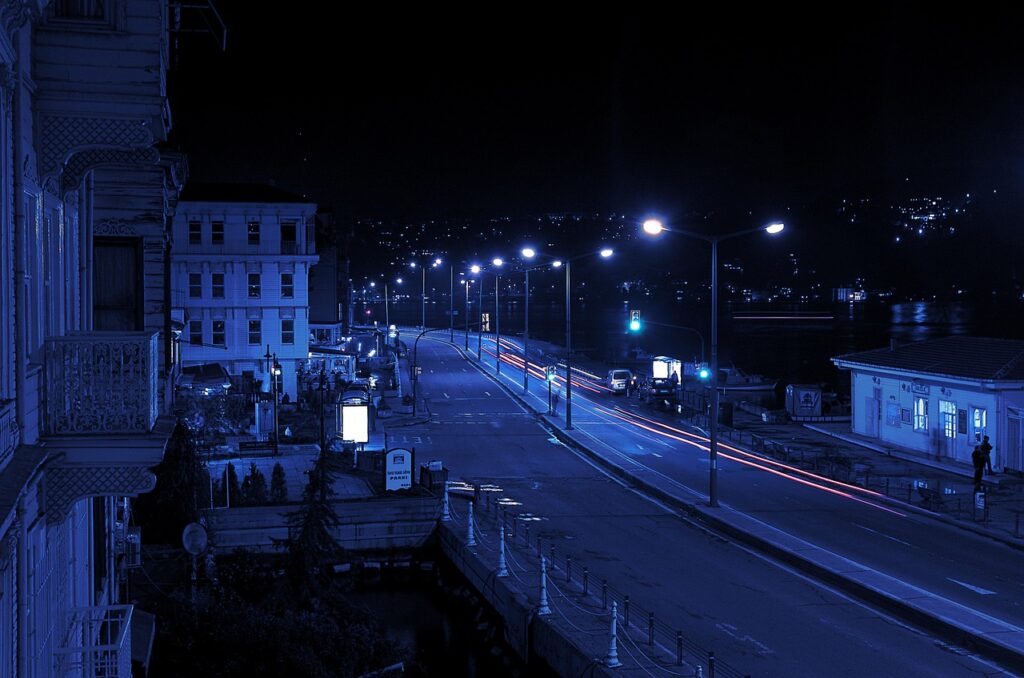
The evenings are long and indoor. The village lights come on early, the cafes fill after dark, and the winter night has its own beauty, with the lights of the Asian shore reflected in the black water and the ferries crossing like lanterns.

The Foggy Bosphorus: A Special Atmosphere
The fog is the signature of the winter Bosphorus. When it rolls in, the strait disappears, the ferries sound their horns, and the yalis fade into a ghostly row along the shore. The village in fog looks like a painting from another century.
The fog has its own schedule. It often burns off by mid-morning, leaving a bright, clear day, and the traveler who waits wins. The foggy hour is also the most atmospheric, and the photographers who catch it return with the rarest images of the village. The same mornings that disappoint the early riser reward the patient one.
There is no chasing the fog; you simply accept it. The ferries still run, slowed and careful, and the village goes about its business in the muffled light. It is part of the winter experience, and it should be enjoyed rather than escaped.
Winter Food: Soups, Fish, and Warm Tables
Winter is the eating season of Arnavutkoy. The fish of the cold months, the anchovy above all, come into their own, and the tables fill with fried anchovy, fish stews, and the soups that warm a cold evening by the shore.
The soup is the winter institution. Fish soup, lentil soup, and the hearty vegetable soups of the season appear at the plainest eateries, and a bowl with bread is the classic winter lunch. The meze tables turn to the warm dishes, and the raki pours as freely as ever. The winter meze include the hot ones the summer menus omit, and the slow-baked stews that only the cold months justify.
The breakfast spread is the morning anchor. The winter breakfast table, with its cheeses, eggs, and endless tea, is the warmest place on the shore, and the windows steam with the traffic of the morning.

The Empty Promenade: Solitude by the Water
The winter promenade is a study in quiet. The benches are free, the seagulls are the main company, and the only traffic is the ferries and the occasional jogger. The solitude is the attraction, and it is the thing the summer visitor never sees.
The fishermen stay all winter. Wrapped against the cold, they line the pier with their rods, and their patient silhouettes are part of the winter landscape. The pier in winter is a good place to stand and watch the strait work.
The coast walk to Bebek is still the finest in the city, and in winter it is a private possession. With a warm coat and a thermos, the walk through the winter light is one of the great free experiences of Istanbul.
Winter Activities in and Around Arnavutkoy
The winter village is quieter, but it is not empty. The cafes run all day, the patisseries do their best trade of the year, and the museums and galleries of the city are an easy trip away for the cold afternoons.
The ferry routes are the winter entertainment. The boats run through the fog and the rain, and a winter crossing, wrapped and watching the strait, is a different and dramatic experience. The islands in winter are ghostly and wonderful, and the upper Bosphorus is at its most romantic.
The city’s indoor life is the backup plan. From the village, the cinemas, the museums, the hamams, and the covered bazaars of Istanbul are a short ride away, and the winter traveler can build a warm day out of the city’s roofed treasures. The museum cafés of the center are winter institutions of their own.

Indoor Retreats: Cafes and Cozy Corners
The winter village runs on its indoor corners. The cafes of Arnavutkoy, with their steam, their tea, and their window tables over the strait, are the true winter living rooms, and the traveler should adopt one for the stay.
The coffee houses are the heart of the winter social scene. Turkish coffee, tea, and the long conversations of the regulars fill the afternoons, and the fire in the corner of an old building makes the wind outside feel like a privilege.
The patisseries are the sweet retreat, and the small restaurants the warm ones. The winter rule of the village is simple: find a warm window, order something hot, and watch the strait do its cold weather work.
Winter Travel Practicalities
The winter schedules are the practical thing to know. The ferries run through the winter, but with fewer sailings, so check the board at the pier and plan around the boats. The buses run as always, and the traffic is lighter than in summer.
The accommodation is the bargain. Winter rates in the village’s small hotels fall well below the summer prices, and the rooms are warm, well heated, and easier to find. The empty season is the affordable season, and the windows over the strait, rain-streaked and glowing, are the winter room’s finest feature.
The final practical note is the light. The short days mean planning the walking for the daylight hours, and the golden hour comes early. With the schedule checked, the layers packed, and the days planned around the light, the winter village is a complete pleasure.
Frequently asked questions
Is Arnavutkoy worth visiting in winter?
Yes, and for some travelers it is the best season. The crowds vanish, the light is dramatic, the fog gives the village a rare atmosphere, and the winter fish is the best of the year. The cold is real, but the solitude and the character more than repay it.
What is the weather like in Arnavutkoy in winter?
Mild but raw. Daytime temperatures are cool, the wind off the strait is constant, and rain is frequent, with occasional snow and famous fogs. Clear days are bright and cold, with low golden light. Layers, a windproof coat, and waterproof shoes are the answer.
Do the ferries and restaurants keep running in winter?
Yes. The ferries run all winter with a reduced schedule, and the waterfront restaurants, the cafes, and the patisseries stay open, many of them busier than ever with the regulars. Only the weekend excursion crowds disappear, which is exactly the point.

All Over Information
The All Over Information editorial team researches and writes practical English-language guides to Turkey. Facts are checked against official and local sources before publication, prices are published as dated ranges rather than quotes, and guides are revised when things change. We accept no sponsored posts, paid placements or paid links.
More guides like this

Top 10 Things to Do in Arnavutkoy
Arnavutkoy is a small village, but it concentrates more beauty per meter than almost anywhere in Istanbul.
Best Time of Year to Visit Arnavutkoy
Arnavutkoy is a village of seasons, and each one shows a different face to the water.

A Foodie’s Guide to Arnavutkoy
Arnavutkoy is one of the great eating villages of the Bosphorus, and the foodie who passes through without stopping misses the point…

A First-Timer’s Guide to Arnavutkoy
Arnavutkoy is one of the most atmospheric stretches of the Bosphorus, a waterfront village tucked between the livelier districts of Besiktas and…
A Solo Traveler’s Guide to Arnavutkoy
Arnavutkoy is one of the kindest places in Istanbul for a solo traveler.

Best Local Restaurants in Arnavutkoy
Arnavutkoy has been feeding Istanbul for centuries, and its tables are part of the village's identity.