The history of Datça reaches back to the ancient world, and the peninsula’s story runs through the Carian cities, the Ottoman centuries, and the modern quiet. The ancient Knidos anchors the deep past, and the olive groves and the villages carry the living culture. This guide traces the history and the culture of the Datça Peninsula.
The Ancient Foundations
The history of the Datça Peninsula begins in the deep past, and the region’s settlement reaches back thousands of years. The peninsula was the territory of the ancient Caria, and the people of the region built their cities along the coast; the archaeological remains of the peninsula — the city sites, the tombs, the sanctuaries — show the layers of the ancient life; and the region sat at the meeting of the Aegean and the Mediterranean worlds. The ancient foundations of Datça give the deep history, and the stones of the peninsula carry the millennia.
The practical history note: the ancient remains of the region are the scattered ones, and the exploring of the countryside reveals them; the museum of the region holds the finds; and the layers of the history — the Carian, the Greek, the Roman — show in the sites. The ancient foundations of Datça set the stage, and the peninsula’s story runs deep.
The City of Knidos
The ancient city of Knidos, at the peninsula’s western tip, is the great monument of the region, and its story anchors the history of Datça. The city flourished in the classical and the Hellenistic periods, and it was known across the ancient world for its culture and its arts; the famous statue of Aphrodite, by the sculptor Praxiteles, stood in the city’s sanctuary; and the city’s lighthouse, its theaters, and its harbor works rank among the achievements of the ancient world. The ruins of Knidos today spread across the headland, and the site gives the powerful sense of the ancient city. Knidos is the crown of the region’s history, and the headland delivers the legacy.
The practical Knidos note: the site is the open one, and the paths and the signage guide the visitor; the drive from the town takes about an hour; and the views from the ruins reach the Greek islands of the horizon. The city of Knidos anchors the history of Datça, and the ancient headland is the essential visit.

The Carian and the Hellenistic Eras
The eras of the Carian and the Hellenistic periods shaped the region, and the history of the peninsula runs through the powers of the ancient world. The Carians, the native people of the region, held the coast and the islands, and their culture mixed with the Greek world; the Persians, the Athenians, and the Hellenistic kingdoms followed in the region’s history, and the peninsula sat at the crossroads of the empires; the cities of the region grew and declined with the shifting powers. The Carian and the Hellenistic eras give the depth of the region’s story, and the peninsula’s position shaped its history.
The practical history note: the region’s sites show the layers of the eras, and the guides and the research bring them to life; the coins and the inscriptions of the region tell the stories; and the history of the coast is the layered one. The Carian and the Hellenistic eras of Datça give the ancient depth, and the region’s crossroads position explains the layers.
The Byzantine and the Medieval Centuries
The Byzantine and the medieval centuries brought the new chapters to the peninsula, and the region continued its long history. The Byzantine empire held the coast, and the churches and the settlements of the period dotted the region; the medieval centuries brought the changes of the trade and the powers; and the peninsula remained the rural, the quiet corner of the wider world. The Byzantine and the medieval layers of Datça give the middle history, and the churches and the settlements of the region carry the traces.
The practical history note: the Byzantine remains of the region are the quieter ones, and the seeking finds them; the churches of the region show the medieval layers; and the history of the coast runs through the centuries. The Byzantine and the medieval centuries of Datça give the continuity, and the region’s quiet endurance carries through.
The Ottoman Era
The Ottoman era shaped the modern character of the Datça region, and the centuries of the Ottoman rule left the marks on the land and the life. The peninsula was the Ottoman territory, and the villages and the agriculture of the region developed under the empire; the olive groves and the terraced hills took their modern forms, and the trade of the coast connected the region with the wider Ottoman world; and the local life of the peninsula ran on the rhythms of the seasons and the harvests. The Ottoman era of Datça gives the foundation of the modern region, and the villages and the groves carry the legacy.
The practical Ottoman note: the old houses and the mosques of the region date from the Ottoman centuries; the olive culture of the peninsula developed through the era; and the local traditions of the region run from the Ottoman life. The Ottoman era of Datça shapes the visible past, and the region’s character carries the centuries.
The Republic Era and the Quiet Modern
The era of the Turkish Republic found the Datça Peninsula the remote, the quiet corner, and the region’s modern story is the story of the slow change. The roads were the poor ones, and the peninsula stayed the hard-to-reach one until the recent decades; the local life continued on the agriculture, the fishing, and the small trade; and the tourism of the region grew late and lightly, sparing the peninsula the big-resort transformation. The Republic era of Datça gives the modern foundation, and the quiet of the region is the inheritance of the era.
The practical modern note: the road to the peninsula improved in the recent decades, and the tourism followed slowly; the region’s character stayed the agricultural, the local one; and the modern Datça is the product of the light touch. The Republic era of Datça explains the quiet, and the region’s preservation is the modern gift.

The Olive Culture
The olive culture of Datça is the heart of the living heritage, and the groves of the peninsula carry the tradition. The olives of the region grow in the rocky, the dry ground, and the cultivation of the groves runs back through the centuries; the harvest of the autumn and the pressing of the winter follow the ancient rhythms, and the oil of the region is the prized one; and the olive culture shapes the land, the economy, and the identity of the peninsula. The olive culture of Datça is the essential tradition, and the groves deliver the living heritage.
The practical olive note: the autumn harvest and the winter pressing give the seasonal rhythm; the producers of the region welcome the tasting; and the olive oil of the peninsula carries the taste of the place. The olive culture of Datça gives the living tradition, and the groves anchor the identity.
The Local Life and the Traditions
The local life of Datça carries the traditions of the region, and the culture shows in the daily rhythms. The markets of the town, the tea houses, and the hospitality of the locals give the living culture; the festivals and the celebrations of the region bring the music, the dance, and the food together; and the slow pace of the peninsula is the local way, the inheritance of the generations. The local life and the traditions of Datça give the warmth, and the town delivers the living culture.
The practical culture note: the market days and the local festivals of the region are the lively ones; the tea culture runs through the local life; and the hospitality of the region is the genuine one. The local life and the traditions of Datça give the cultural depth, and the peninsula delivers the authenticity.

The Culture of the Peninsula Today
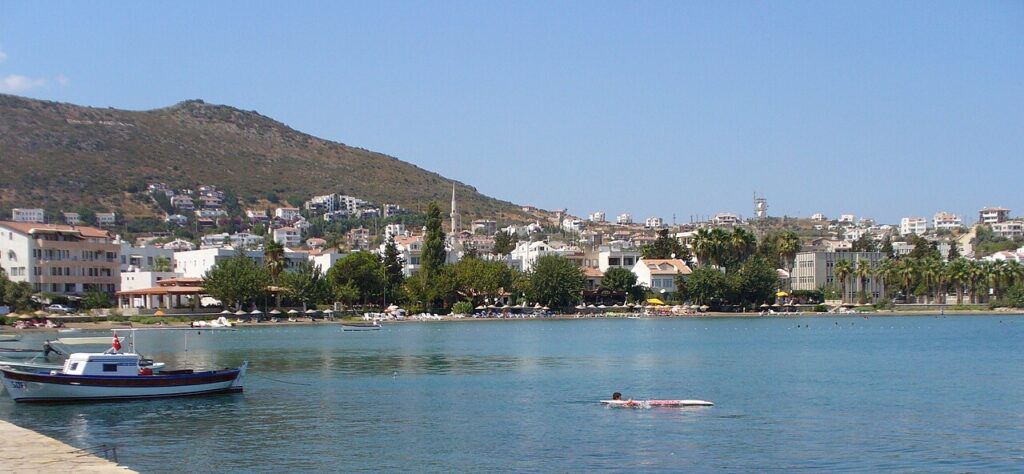
The culture of the Datça Peninsula today mixes the deep history with the living traditions: the ancient Knidos and the Carian stones, the Ottoman villages and the olive groves, the Republic’s quiet and the modern light tourism. The peninsula preserves the character that the bigger coasts lost, and the identity of the region stays the local one. The culture of Datça is the layered one, and the peninsula carries its history visibly, alongside the quiet life of the modern town.
The Takeaway
The history of Datça runs from the ancient Caria through the great city of Knidos, the Byzantine and the Ottoman centuries, and the quiet modern era. The peninsula preserves its layers — the stones of the headland, the villages and the groves, the markets and the tea houses — and the character of the region stays the local one. The culture of Datça is the living, the layered one, and the quiet peninsula carries its history with ease.
Frequently asked questions
What is the history of Datca?
The history runs from the ancient Caria through the great city of Knidos, the Byzantine and the Ottoman centuries, and the quiet modern era of the Republic.
Why is Knidos important?
Knidos was the famous ancient city of the region, known for its culture, its arts, and the statue of Aphrodite by Praxiteles.
What is Datca known for culturally?
The olive culture of the peninsula, the local life of the villages and the markets, the festivals, and the preserved character of the region.
How did Datca stay so quiet?
The peninsula’s remote position and the late, the light tourism spared it the big-resort transformation of the other coasts.
What is the best way to experience Datca’s history?
The Knidos day trip for the ancient city, the villages and the old town for the Ottoman and the local layers, and the olive presses for the living tradition.

All Over Information
The All Over Information editorial team researches and writes practical English-language guides to Turkey. Facts are checked against official and local sources before publication, prices are published as dated ranges rather than quotes, and guides are revised when things change. We accept no sponsored posts, paid placements or paid links.
More guides like this
Shopping Guide: What to Buy in Datca
The shopping of Datça follows the town's character: the honest, the local, the small-scale finds rather than the resort sprawl.

Photography Spots in Datca You Can’t Miss
Datça is the photographer's peninsula: the clear-water bays, the pine hills, the ancient ruins, and the long light of the Mediterranean.

Where to Stay in Datca: Neighborhood Guide
The stays of Datça come in the shapes of the town's character: the old town's pensions, the harbor's waterfront rooms, and the…

How to Get to Datca from Istanbul
The journey from Istanbul to Datça runs across the country, and the options balance the time, the cost, and the comfort.

Datca Airport and Transport Guide
Getting to Datça and around the peninsula is the straightforward part of the trip, and the transport network of the region connects…
Top 10 Things to Do in Datca
Datça is the small town with the big peninsula, and the ten best things to do there range from the ancient ruins…