Datça is the photographer’s peninsula: the clear-water bays, the pine hills, the ancient ruins, and the long light of the Mediterranean. The spots below cover the essential photography of Datça, from the harbor to the ancient headland.
The Harbor and the Boats
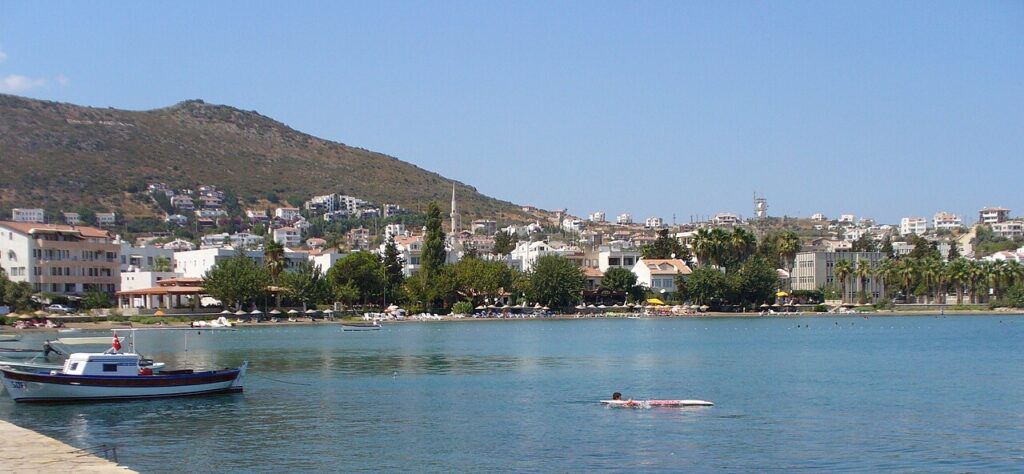
The harbor of Datça is the center of the town photography, and the scenes there change with the light and the hour. The morning gives the calm water and the reflections of the fishing boats; the midday gives the bright blues; and the evening gives the golden light on the masts and the decks; the old town rises behind the harbor, and the layers of the water, the boats, and the hill fill the frames. The harbor is the living photograph of Datça, and the waterfront delivers the shots through the day.
The practical harbor note: the early morning gives the quiet water and the reflections; the golden hour before the sunset is the warm one; and the evening adds the lights of the town to the scene. The harbor and the boats of Datça give the essential town photography, and the waterfront delivers the timeless frames.
The Old Town’s Lanes
The old town of Datça gives the photographer the textures of the traditional quarter, and the lanes reward the wanderer with the compositions. The whitewashed houses, the bougainvillea, the narrow lanes, and the small squares give the intimate scenes; the hill behind the harbor gives the elevated views over the bay; and the everyday life of the quarter — the cats, the doors, the washing lines — adds the human element. The old town is the textured photography of Datça, and the lanes deliver the character.
The practical old-town note: the morning light rakes across the lanes and the walls; the bougainvillea blooms through the summer; and the quiet hours of the midday give the empty lanes and the strong shadows. The old town’s lanes give the intimate, the textured shots, and the flowers add the color.

The Clear-Water Bays
The bays of Datça give the essential seascapes, and the turquoise water of the peninsula is the photographic star. The coves along the road give the scenes of the clear water and the pebble shores; the long sand of Palamutbükü gives the wide, the classic bay shots; and the boats at anchor in the transparent water add the foregrounds. The water of Datça photographs in the range of the blues, and the bays deliver the postcard scenes.
The practical bay note: the midday sun brings out the turquoise of the shallow water, and the polarizer helps cut the glare; the morning and the late afternoon give the softer light; and the elevated viewpoints along the road give the panoramas of the bays. The clear-water bays of Datça give the essential seascape photography, and the turquoise is the constant.
The Sunset from the Harbor
The sunset of Datça is the evening’s photography event, and the harbor gives the front-row view. The sun drops behind the hills of the peninsula, and the sky runs through the golds, the pinks, and the purples; the water mirrors the colors, and the boats of the harbor become the silhouettes in the foreground; and the town’s lights begin to glow as the sky darkens. The sunset from the harbor is the daily show, and the bay delivers the colors.
The practical sunset note: the arrival comes early, as the best light builds over the half hour before the drop; the boats and the masts give the silhouettes for the foreground; and the blue hour after the sunset gives the balance of the sky and the lights. The sunset from the harbor is the essential evening photography, and the colors reward the timing.
The Hills and the Panoramas
The hills of Datça give the elevated photography, and the panoramas of the peninsula reward the climb. The ridges above the town look over the bay, the islands, and the mountains; the old windmill’s hill gives the landmark frame for the shots; and the western hills of the peninsula give the wide views over the coast. The hills of Datça give the landscape photography, and the high ground delivers the scale of the peninsula.
The practical hill note: the walk to the windmill takes the half hour, and the sunset is the beautiful time there; the golden hour lights the ridges and the bays together; and the clear air of the spring and the autumn sharpens the distance. The hills and the panoramas of Datça give the sweeping shots, and the ridges reward the climb.
The Ancient Knidos
The ruins of Knidos give the dramatic photography, and the ancient headland delivers the scenes of the stones and the sea. The theater, the temple remains, and the harbor works of the site frame against the water; the sea on both sides of the headland gives the wide compositions; and the Greek islands of the horizon complete the settings. The light of the late afternoon brings the warm tones to the stone, and the site photographs beautifully through the day. Knidos is the essential landscape photography of the region, and the ancient city delivers the drama.
The practical Knidos note: the drive takes about an hour, and the early start gives the full light; the hat, the water, and the sunscreen are the essentials of the exposed site; and the late afternoon gives the golden light on the ruins. The ancient Knidos gives the dramatic photography, and the headland delivers the epic scenes.

The Villages and the Local Life
The villages of the Datça region give the photography of the local life, and the settlements reward the patient eye. The old stone houses, the village mosques, and the squares of the settlements give the scenes; the everyday life — the tea, the animals, the people — adds the human layer; and the views from the hillside villages reach the bays. The villages of Datça give the authentic photography, and the local life delivers the character.
The practical village note: the mornings and the late afternoons give the best light on the stone; the respectful photography is the custom, and the asking before the portraits is the way; and the villages are the quiet ones, best photographed in the gentle hours. The villages and the local life give the human photography of Datça, and the settlements deliver the authenticity.
The Night and the Stars
The night photography of Datça rewards the patient, and the dark skies of the peninsula give the starry scenes. The town’s lights reflect on the harbor water, and the long exposures turn the bay into the glowing sheets; the hills above the town give the dark-sky vantage points; and the Milky Way arches over the peninsula on the clear nights. The night photography of Datça gives the different show, and the dark skies deliver the stars.
The practical night note: the tripod is the essential for the long exposures; the blue hour gives the balance of the sky and the lights; and the moonless nights give the best stargazing. The night and the stars of Datça give the atmospheric photography, and the dark peninsula delivers the heavens.

The Practical Photography Notes
The practical photography notes of Datça: the light of the coast is the clear, the strong Mediterranean light, and the golden hours are the best for the color; the summer sun is the harsh one at the midday, and the photography plans around it; and the water and the white walls both reward the polarizing filter. The essential kit is the light one — the wide lens for the landscapes, the telephoto for the boats and the details, and the polarizer for the water. The photography of Datça works in the low seasons too, when the light is the softer and the crowds are the thinner, and the coastal colors reward the year-round photographer.
The Takeaway
The photography of Datça spans the harbor and the old town, the turquoise bays and the pine hills, the ancient Knidos and the starry nights. The light is the Mediterranean one, and the peninsula delivers the subjects in abundance. Start at the harbor, climb the hills for the panoramas, and take the drive to Knidos for the drama — the camera of Datça brings home the blue of the coast.
Frequently asked questions
Where are the best photography spots in Datca?
The harbor, the old town’s lanes, the clear-water bays, the hills above the town, and the ancient site of Knidos.
What is the best time of day for photos in Datca?
The golden hours — the early morning and the late afternoon — give the best light, and the sunset from the harbor is the classic shot.
Is Knidos worth photographing?
Yes — the ruins against the sea on both sides of the headland give the dramatic, the epic compositions.
Do I need special equipment for Datca photography?
No — the wide lens, a telephoto for the boats and the details, and a polarizer for the water cover the essentials.
Can I photograph the night sky in Datca?
Yes — the dark skies of the peninsula give the starry scenes, with the tripod for the long exposures.

All Over Information
The All Over Information editorial team researches and writes practical English-language guides to Turkey. Facts are checked against official and local sources before publication, prices are published as dated ranges rather than quotes, and guides are revised when things change. We accept no sponsored posts, paid placements or paid links.
More guides like this
Datca on a Budget: Money-Saving Travel Tips
Datça is already the affordable end of the Turkish coast, and the peninsula rewards the budget traveler with the honest prices and…

How to Get to Datca from Istanbul
The journey from Istanbul to Datça runs across the country, and the options balance the time, the cost, and the comfort.

Where to Stay in Datca: Neighborhood Guide
The stays of Datça come in the shapes of the town's character: the old town's pensions, the harbor's waterfront rooms, and the…

A Foodie’s Guide to Datca
Datça is the small town with the serious table, and the food of the peninsula runs on the region's gifts: the olive…

Datca in Summer: A Complete Travel Guide
The summer of Datça is the season of the clear water and the long evenings, and the quiet peninsula fills with the…

Datca Airport and Transport Guide
Getting to Datça and around the peninsula is the straightforward part of the trip, and the transport network of the region connects…