Izmir is the great port of the Aegean, and its history reaches deep into the ancient world — the city was founded as Smyrna, one of the great cities of the Greek world, and it has been a harbor and a crossroads for millennia. The city’s story is the story of the Aegean: the ancient world, the empires, and the modern port, all layered on the same bay. This guide unpacks the history and culture of Izmir: how the city was founded, what it became, and how the layers still visible in its streets tell the story.
The Ancient City: Smyrna of the Aegean
Izmir’s history begins in antiquity, when the city was founded as Smyrna on the Aegean coast — one of the great cities of the Greek world, and one of the claimants to the birthplace of Homer. The ancient Smyrna was a city of the Ionian world, with its temple, its theatre, and its harbor, and it grew into one of the great cities of the Aegean — the rival of Ephesus and Pergamon in the region’s ancient life.
The ancient city’s remains are visible in the modern Izmir: the Agora, the ancient market, and the layers of the old city speak of the Smyrna that stood here for a thousand years before the modern port. The city’s ancient identity — a great city of the Greek Aegean — is the deepest layer of its story.
The Roman and the Byzantine City
The Roman era brought Smyrna to its ancient peak: the city was one of the great provincial cities of the Roman world, rebuilt and beautified, with its agora, its theatre, and its public buildings — and it was one of the cities of the Revelation of John, named among the seven churches of Asia. The Roman Smyrna was a prosperous and important city of the empire.
The Byzantine centuries followed, and the city continued as a provincial center of the eastern empire — until the shifting history of the region brought new powers to the Aegean.

The Ottoman Port
The Ottoman era made the city the port it is today. The Ottomans took the region in the 15th century, and the town of Izmir grew over the centuries into one of the great ports of the empire — the gateway of the Aegean trade, with its cosmopolitan community of Turks, Greeks, Armenians, and Jews, and its harbor that carried the goods of the region to the world.
The Ottoman Izmir was a prosperous and cosmopolitan port — the bazaar of Kemeraltı grew in this era, the city’s quarters took their shape, and the harbor became the heart of the city. The Ottoman port is the layer that shaped the modern city.
The Modern City: The Port of the Republic
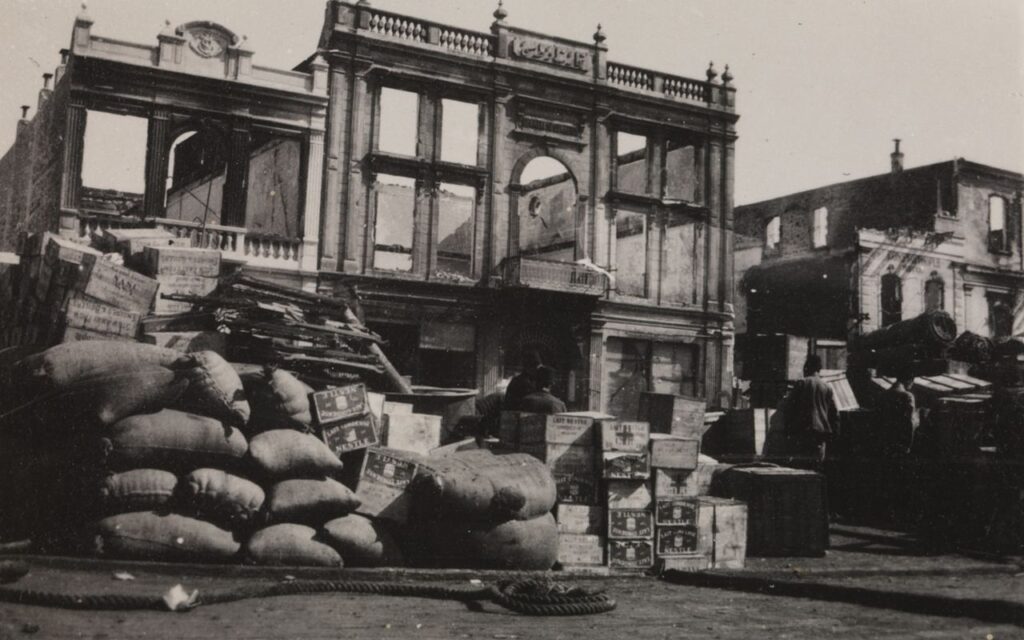
The modern chapter of the city’s history begins with the Turkish Republic, and the great fire of 1922 that reshaped the old city. The modern Izmir was rebuilt as the port of the Republic — the great city of the Aegean, with its waterfront, its industry, and its trade, and a population of nearly five million. The city became the third city of Turkey, and the relaxed, cosmopolitan character of the port became its modern identity.
The modern city is the meeting of its layers: the ancient Smyrna beneath the old city, the Ottoman port around the bazaar, and the modern metropolis along the bay.
The Culture of Izmir Today
The living culture of the port is a fusion of the layers:
- The sea. The bay and the waterfront are the heart of the city — the ferries, the harbor, and the life of the water.
- The table. The food of the Aegean — the meze, the fish, and the boyoz — is the daily culture of the port.
- The bazaar and the old city. The market and the quarters carry the cosmopolitan life of the port.
- The relaxed character. The port’s way of life — the friendliest and most relaxed in Turkey, by the common account — is its culture.
- The university city. The students and the young life of the city give the modern energy.
Visiting the History: What to Look For
A walk through Izmir is a walk through the layers:
- The ancient city — the Agora and the remains of Smyrna.
- The Roman city — the ancient market and the layers of the Roman era.
- The Ottoman port — Kemeraltı, the bazaar, and the old city.
- The modern city — the waterfront, the bay, and the life of the port.
- The sea — the harbor and the water, the element of the city.

The Cosmopolitan Port
One of the deepest layers of the port’s history is its cosmopolitan character. The Ottoman Izmir was a city of the communities — the Turks, the Greeks, the Armenians, and the Jews of the empire lived in its quarters, and the port’s trade carried the goods and the cultures of the world. The cosmopolitan life of the old city — the churches, the synagogues, and the mosques, the languages and the cuisines — was the character of the port for centuries, and the memory of it still shapes the city’s openness. For the traveler, the cosmopolitan layer is part of the city’s meaning: a port that has always welcomed the peoples and the cultures of the sea.
The Continuity of the Port
The most remarkable thing about Izmir is the continuity of its harbor. The city has been a port for millennia — the ancient Smyrna’s harbor, the Ottoman port’s trade, and the modern city’s bay are the same water, carrying the same function through the ages. The traveler who stands on the waterfront stands where the ships of the ancient world and the galleons of the Ottomans once passed — the same bay, the same city, and the same life of the sea. The continuity of the port is the deepest meaning of Izmir: a city that has been the gateway of the Aegean for millennia, and that still is.
The Gate to the Ancient World
The final layer of the port’s meaning is its position as the gate to the ancient world. Izmir is the gateway to the great sites of the Aegean — Ephesus, Pergamon, and the cities of the Ionian world are an hour or two away, and the port has been the doorway to them since antiquity. The traveler who visits the city and then the ancient sites connects the living port to the ancient world at its doorstep — the Smyrna of antiquity and the great cities of the region, the ancient and the modern of the Aegean. The gate to the ancient world is the deepest role of the port, and it gives the city its place in the story of the region.
The Living Culture of the Sea
The final layer of the culture is the life of the sea. The bay and the waterfront are the heart of the modern city — the ferries, the fishermen, the promenade, and the everyday rhythm of the water — and the culture of the port is the culture of the sea: the relaxed, open, coastal life that the city is known for. The traveler who walks the waterfront, takes the ferries, and joins the life of the bay experiences the culture of the port as it is lived — the sea and the city together, and the relaxed character that makes Izmir the friendliest city in Turkey.
The Takeaway
Izmir’s history is the story of the Aegean: the ancient Smyrna of the Greek world, the Roman city, the Ottoman port, and the modern metropolis — millennia layered on the same bay. The Agora and the bazaar, the waterfront and the sea, and the life of the port are all part of that long story. To walk Izmir is to walk through the history of the Aegean — and to understand why this harbor, which has drawn the peoples and the trade of the sea for millennia, is the great port of the western Turkey.
Frequently asked questions
How old is Izmir?
The city was founded in antiquity as Smyrna, and it has been a harbor and a city for millennia — one of the great cities of the ancient Greek world.
What was the ancient city called?
Smyrna — one of the great cities of the Ionian world, and one of the claimants to the birthplace of Homer.
What is the significance of the Agora?
The ancient market of Smyrna — the remains of the Roman-era city, the deep history beneath the modern port.
How did the Ottomans shape the city?
They made Izmir one of the great ports of the empire — the cosmopolitan gateway of the Aegean trade, with the bazaar and the quarters that survive.
Why is the city called the friendliest in Turkey?
The relaxed, cosmopolitan character of the port — shaped by its sea, its trade, and its life — is the common account of the city’s culture.
Is the city’s history visible today?
Yes — the ancient Agora, the Ottoman bazaar, and the modern waterfront all stand within the port, and the layers tell the story.

All Over Information
The All Over Information editorial team researches and writes practical English-language guides to Turkey. Facts are checked against official and local sources before publication, prices are published as dated ranges rather than quotes, and guides are revised when things change. We accept no sponsored posts, paid placements or paid links.
More guides like this

A Foodie’s Guide to Izmir
Izmir is the great port of the Aegean, and for the food traveler it is one of the most relaxed and most…

Izmir Airport and Transport Guide
Izmir is the great port of the Aegean, and its transport is the transport of a working port — the airport, the…
Best Time of Year to Visit Izmir
Izmir is a port city of distinct seasons, and the season you choose changes the character of the visit.

Nightlife Guide to Izmir
Izmir is the great port of the Aegean, and its nightlife is one of the most relaxed and most genuine in Turkey…
A First-Timer’s Guide to Izmir
Izmir is the third city of Turkey — the great port of the Aegean, a city of nearly five million people that…
The Best Day Trips from Izmir
Izmir is the great port of the Aegean, and the region around it is the heart of the ancient world of western…