Denizli is a region where history sits close to the surface. The valley around the city was home to some of the ancient world’s most important cities, from the healing spa of Hierapolis to the wealthy trading center of Laodicea, and the same landscape has carried the region through Byzantine, Seljuk, and Ottoman centuries into the modern industrial city. The culture that grew here, from the weaving tradition to the famous rooster, is as distinctive as the history. This guide traces the story of Denizli, period by period, and the living culture that continues it today.
The Ancient Foundations
The history of the Denizli region begins in antiquity, when the valley of the Lycus and Meander rivers was one of the most fertile and strategically important parts of the ancient world. The area’s settlements grew rich on the valley’s agriculture, its wool, and its position on the trade routes.
The ancient cities of the region, Laodicea, Hierapolis, Tripolis, and Colossae, all flourished in the Hellenistic and Roman periods, when the valley was part of the great empires of the eastern Mediterranean. Their ruins, theaters, baths, and colonnaded streets still shape the landscape, and the excavations continue to reveal their story.
The region’s ancient wealth came from the land and the waters: the mineral springs that made Hierapolis a healing center, the black wool that made Laodicea famous, and the trade that passed through the valley. That foundation of prosperity set the pattern for everything that followed, and the same combination of water, wool, and trade would carry the region through every later century.
Laodicea and the Seven Churches
Laodicea was the greatest city of the ancient valley, a wealthy center of banking, textiles, and trade, and its name echoes far beyond the region through the Book of Revelation, where it is one of the Seven Churches addressed by Saint John.
The biblical letter criticizes the Laodiceans for their complacent wealth, famously calling them lukewarm, and the city’s history justifies the image: Laodicea was rich, self-sufficient, and confident, and its ruins show a city that could afford magnificent theaters, a stadium, and monumental baths.
The early Christian community of Laodicea is part of the city’s story, and the site’s importance to church history draws visitors from around the world. The excavations of the city, which continue today, are gradually returning one of the region’s great cities to view.

Hierapolis, the Healing City
Hierapolis, on the plateau above the white terraces, was the ancient world’s great spa city. Founded around the hot springs that feed the travertines, it grew into a major healing center, where the sick came to bathe in the mineral waters and physicians practiced the medicine of the thermal bath.
The city’s wealth is written in its ruins: the great theater, the baths, the colonnaded streets, and the vast necropolis, where the tombs of the wealthy line the roads. The city also became a center of early Christianity, and the remains of the martyrion of Saint Philip, who was said to have been martyred here, mark it as a pilgrimage site.
Hierapolis prospered for centuries, suffered earthquakes, and was rebuilt again and again, until the late Byzantine period left it abandoned. The ruined city above the terraces is one of the best-preserved ancient settlements in Turkey, and its story is inseparable from the white hillside beneath it.
The Byzantine and Seljuk Centuries
After the fall of the Roman world, the region passed through the Byzantine centuries, when the valley’s cities, including a rebuilt Hierapolis and Laodicea, lived on as provincial centers. Christianity was the official faith, and the region’s churches and monastic life carried the legacy of the early centuries.
The Seljuk Turks arrived in the region in the medieval period, bringing a new chapter. The Seljuk era is visible in the region’s great monuments, including the caravanserais that served the trade routes, the Akhan on the road toward Pamukkale being among the finest examples.
The Seljuk period also saw the beginning of the region’s Turkish character: the settlement patterns, the mosques, and the crafts that would grow into the modern Denizli. The medieval centuries were a time of transformation, when the ancient valley became the Turkish homeland it is today, and the bridges and caravanserais of the era still stand along the old routes.

The Ottoman Era
Under the Ottomans, the region settled into its modern shape. The city of Denizli grew as a provincial center, and its monuments from the period, including the Grand Mosque in the heart of the old town, date from the Ottoman centuries.
The Ottoman economy suited the region. The valley’s agriculture, its cotton, and its textiles were valuable to the empire, and the weaving tradition that would make Denizli famous began to take its modern form. The bazaar and the crafts of the city grew through this period.
The Ottoman centuries also shaped the city’s character: the provincial town of mosques, markets, and workshops, with a strong local identity within the empire. The accounts of travelers from the era describe a prosperous trading town, and the Grand Mosque and the old bazaar still stand as the monuments of that world. When the Turkish Republic was founded in the twentieth century, Denizli was ready to become the industrial center it is today.
The Modern City and the Textile Boom
The twentieth century transformed Denizli from a provincial town into an industrial powerhouse. The city’s textile industry, built on the region’s long tradition of weaving and cotton, grew rapidly, and Denizli became one of Turkey’s great manufacturing centers, its towels and textiles known across the country and beyond.
The industrial growth reshaped the city: new neighborhoods, factories, and roads, and a confident, prosperous urban culture. The textile boom also connected Denizli to the wider world, with the city’s products reaching international markets, and the prosperity of the era is visible in the modern center, with its wide streets and busy commerce.
Today Denizli is a modern Turkish city that has not forgotten its past. The ancient sites remain open to visitors, the old bazaar still trades, and the city’s pride in its industry, its history, and its famous rooster is visible on every street.
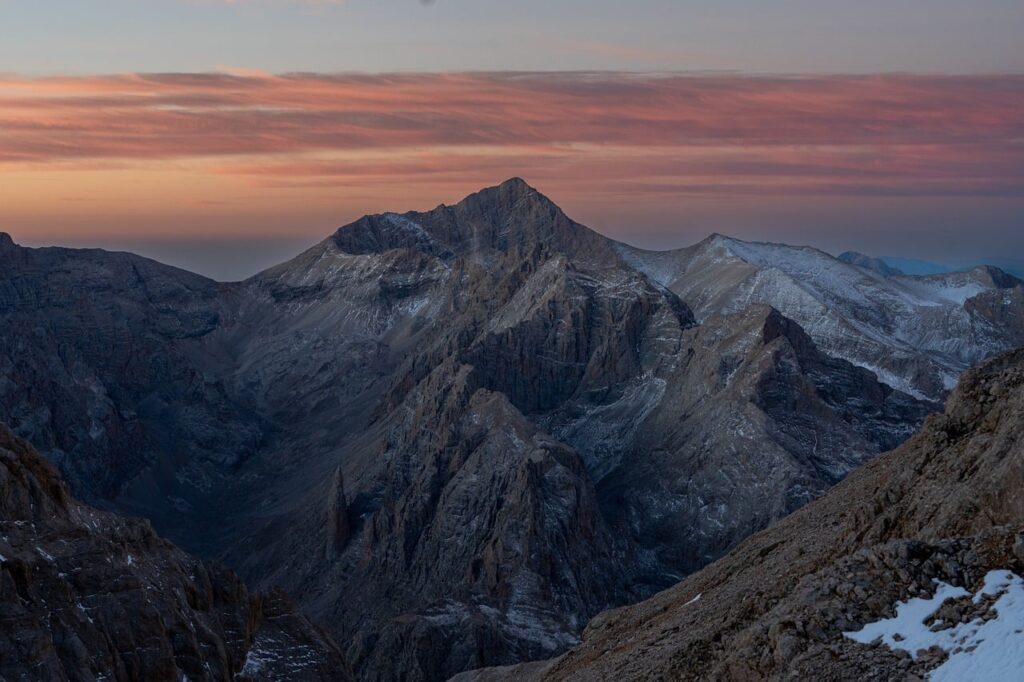
The Denizli Rooster and Cultural Identity
The Denizli rooster is more than a mascot; it is the living symbol of the city’s identity. The breed, with its long musical crow and striking black plumage, is unique to the region, and its story reaches back through the centuries of the city’s life.
The rooster’s crow, which can last for many seconds, has been celebrated in Turkish folklore, and the bird appears in the city’s statues, its products, and its pride. Denizli maintains breeding and research facilities to preserve the breed, a sign of how seriously the city takes its emblem.
The rooster captures the city’s self-image: distinctive, proud, and unmistakably its own. Like the textiles and the ancient ruins, it is part of what makes Denizli Denizli, and meeting it is a small rite of passage for visitors.
Crafts and Traditions Today
The living culture of Denizli continues the crafts of the centuries. The weaving tradition, now industrialized, still runs through the city’s workshops, and the handwoven carpets of Tavas and the white cloth of Buldan carry the older craft into the present.
The food culture is equally rooted: the kuyu kebabı of the pits, the tarhana of the village kitchens, and the breakfast table with its local kaymak all carry the tastes of the region’s history. The tea gardens and the bazaar keep the social traditions alive, and the festivals and markets of the year still follow the old calendar.
And the calendar still turns with the old rhythms: the festivals, the markets, and the ceremonies that have marked the valley’s year for generations. The history of Denizli is not only in the ruins; it is in the daily life of the city, and the traveler who looks will see it everywhere, from the looms of the weaving shops to the pits of the kebab houses and the crow of the rooster at dawn.

The Living Valley
The region around Denizli is a living landscape of layered history. The ancient cities sit among working fields, the Seljuk caravanserais stand beside modern roads, and the thermal springs that drew the Romans still feed the pools and the hotels of today.
The valley’s story is one of continuity: the same water, the same fertile land, and the same trade routes have sustained its people for millennia. The layers are visible side by side, and a single drive through the region passes from Roman ruins to medieval monuments to the modern city.
For the visitor, that depth is the region’s great gift. Denizli is not a museum of one period; it is a place where the whole story is present at once, and the history and culture of the valley are as alive as the city that carries its name.
Frequently asked questions
What is the most important ancient city in the Denizli region?
Hierapolis and Laodicea are the great pair. Hierapolis, the healing spa city above the white terraces, is the most spectacular, with its theater and vast necropolis. Laodicea, one of the Seven Churches of Revelation, is the region’s greatest wealth story and an ongoing excavation. Both are essential to understanding the region.
Why is Denizli associated with the Seven Churches?
Laodicea, one of the seven cities addressed in the Book of Revelation, lies about six kilometers from Denizli. The letter to the Laodiceans, criticizing the city’s lukewarm faith, made its name famous across the Christian world, and the city’s ruins and early Christian community are part of the region’s pilgrimage heritage.
How did Denizli become a textile city?
The region’s weaving tradition reaches back centuries, and its cotton and wool were valuable from the ancient period onward. The modern industry grew rapidly in the twentieth century, turning Denizli into one of Turkey’s great manufacturing centers. The city’s towels and textiles are now known across the country and internationally.

All Over Information
The All Over Information editorial team researches and writes practical English-language guides to Turkey. Facts are checked against official and local sources before publication, prices are published as dated ranges rather than quotes, and guides are revised when things change. We accept no sponsored posts, paid placements or paid links.
More guides like this
A Foodie’s Guide to Denizli
Denizli is not on most food travelers' maps, and that is precisely why it should be.
Denizli in Summer: A Complete Travel Guide
Summer is Denizli's busiest season, when the travertine terraces glow under a strong sun and the thermal pools are at their most…

Denizli in Winter: What to Expect
Winter is the quiet season in Denizli, and for many travelers it is the best one.

A First-Timer’s Guide to Denizli
Most travelers first hear of Denizli because of Pamukkale, the white travertine terraces about twenty kilometers away. Denizli is not just a…

Best Local Restaurants in Denizli
Denizli is not a city that courts food critics, and that is exactly what makes its table so appealing.

A Solo Traveler’s Guide to Denizli
Denizli is one of the most comfortable cities in Turkey for a solo traveler.