History in Karabuk comes in two speeds. On one side is Safranbolu, a UNESCO-listed town of Ottoman houses and caravanserais that has barely changed in two centuries; on the other is the industrial city itself, built around one of Turkey’s first steel plants and still carrying the confident, working character that factories create. Between the two lie Roman mosaics, saffron fields, highland pastures, and the crafts of the bazaar. This guide traces the history and culture of the province, from ancient Paphlagonia to the steel town of today, and shows you where each layer still lives.
The Land of Paphlagonia
Long before the Ottoman houses appeared, this territory belonged to Paphlagonia, an ancient region of northern Anatolia that ran from the mountains down toward the Black Sea. The Paphlagonians were known to the Greeks and Romans as a hardy inland people, and their land sat on the routes between the coast and the high plateau.
The Roman era left its clearest trace in the province at Eskipazar, where the city of Hadrianopolis flourished in the Roman and Byzantine periods. Excavations have uncovered floor mosaics, bath buildings, and churches that show a settled, prosperous community at the edge of the empire.
For centuries afterward the area was a quiet rural corner of larger states, Byzantine and then Seljuk, valuable mainly for its position on the roads that connected the Black Sea ports with the markets of the interior. History here was slow and local, until trade changed everything.
The Caravan Routes and the Rise of Safranbolu
Safranbolu’s rise is a story of trade. The town stood on the caravan routes that carried goods between the Black Sea ports, such as Sinop and the western harbors, and the markets of central Anatolia and the capital region. Every caravan needed food, lodging, and fresh animals.
By the Ottoman centuries, Safranbolu had become a prosperous market town. Its merchants invested their earnings in stone hans, or caravanserais, where traveling traders slept with their goods; the seventeenth-century Cinci Han, built by a local cleric who rose to prominence at the imperial court, is the grandest of them, with its sturdy walls and the rooms that once stored merchandise.
The trade brought more than money. It brought craftsmen, ideas, and the tastes of distant cities, all of which settled into the town and shaped the architecture that would make it famous.

The Ottoman Century: Houses, Hans, and Hamams
The eighteenth and nineteenth centuries were Safranbolu’s golden age. Its merchants and administrators built the timber-framed houses that tourists photograph today: two or three storeys tall, with whitewashed walls, overhanging upper floors, and carefully worked wooden ceilings and cupboards.
These houses were engineered for a long, cold winter: the upper storeys held the living rooms with their built-in sofas and storage, while the ground floors housed animals and stores. The town’s hamams, mosques, and fountains completed the picture of a confident Ottoman town.
When the modern age arrived with concrete and steel, Safranbolu was spared the worst of it, and in 1994 UNESCO listed the town for the completeness of its historic townscape. The decision changed the town’s future, turning a fading provincial center into one of Turkey’s most visited small cities.
The Saffron That Named a Town
The town’s name joins the word for saffron with the suffix that means a place, and the flower has been part of local life for centuries. The precious spice, harvested from the purple crocus, was grown in the fields around the town and traded along the caravan routes at prices that rivaled gold.
The saffron fields survived the town’s transformation, concentrated today around the village of Davutobasi and a handful of growers who keep the tradition alive. The harvest comes in autumn, when the small fields are picked by hand, flower by flower, in the early morning.
In the kitchen, saffron colors and perfumes the rice dishes of the region, and it finds its most famous use in Safranbolu’s lokum, the soft confection sold across the old town. The flower is a source of local pride, celebrated with a festival and guarded as the town’s living symbol.
The Birth of an Industrial City
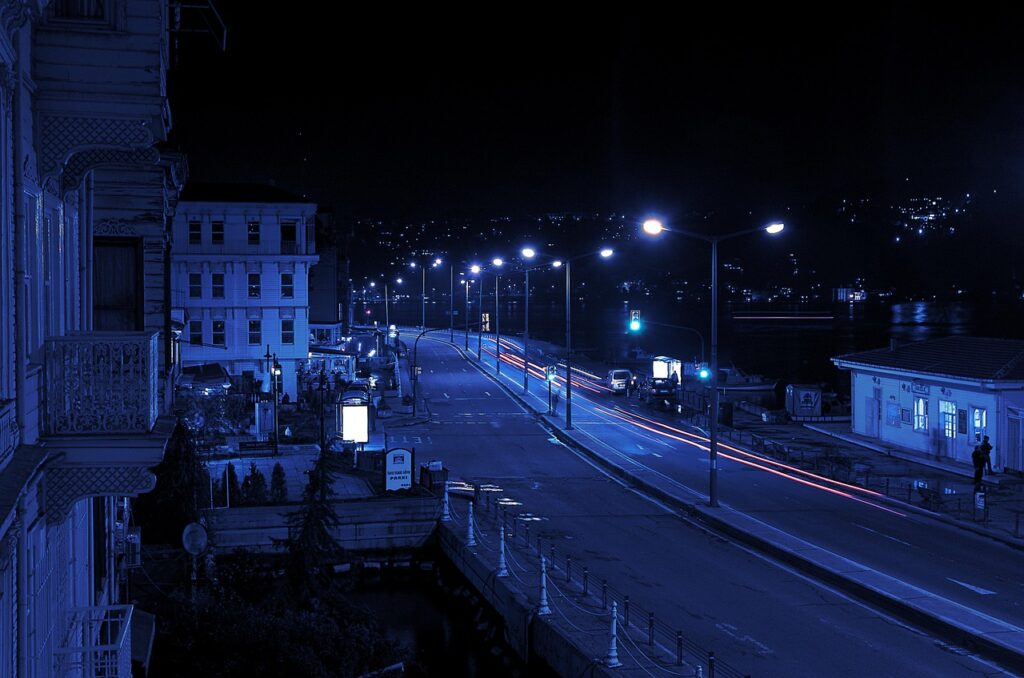
Karabuk the city is a product of the twentieth century. In the late 1930s, the young Turkish republic chose this valley for its first integrated iron and steel works, drawn by the railway line and the proximity of coal and iron ore from the surrounding region.
Workers arrived from all over the country, and the settlement grew around the plant with the speed and rawness of a frontier town. The factory, known today as Kardemir, began production in 1939, and for decades it was the steel heart of the republic, supplying the rails, pipes, and beams of a nation being built.
The industrial era shaped the city’s character as clearly as the Ottomans shaped Safranbolu: a working population, a practical town plan, and a pride in heavy labor that still colors the local identity.
Crafts and the Bazaar Tradition
The bazaar tradition of the region survives most vividly in Safranbolu’s Carsi quarter, where the lanes are lined with workshops as well as shops. Copper has always been the signature craft: hammered pots, trays, and coffee pots hang from the ceilings, and you can watch the metal being shaped in the older workshops.
Alongside the copper sit the woodworkers, who continue the tradition of carved ceiling roses and furniture that the old houses demand, and the makers of yemeni, the soft leather slippers once worn across Anatolia. These crafts are not museum pieces; they are working trades, and the noise of hammer on metal is part of the old town’s daily sound.
The bazaar is also where the town’s food crafts live: the lokum makers, the pastry shops, and the vendors of the saffron that gives the quarter its signature color and scent.

Food and the Table of the Region
The table of Karabuk is a meeting of Black Sea and central Anatolian habits. Celebrations bring out kes kek, the slow-cooked wheat and meat dish of weddings and bayrams, and the dolmas, boreks, and pides of the region’s kitchens appear at every family table.
The sweet side of the region is its pride. Safranbolu lokum, soft and saffron-scented, is served with the thick clotted cream known as kaymak, and the walnut sausage and fruit pastes of the winter kitchen keep the old preserving traditions alive.
From the highlands come butter, cheese, and honey with a taste of the mountain pastures, and tea is the drink of every conversation. Eating here means eating seasonally, and the best meals still follow the calendar of the fields and the flocks.
Festivals and the Rhythm of the Year
The year in Karabuk still runs on the old rhythm. Spring brings Hidrellez, the festival of the return of warmth, when families go out to the green spaces, light fires, and make wishes; summer brings the highland migrations, when herders and their flocks move up to the cool yayla pastures and the villages above the valleys fill with summer life.
Autumn is the season of the saffron harvest and the festival that celebrates it, when the growers bring out their flowers and the town remembers its old source of wealth.
Weddings remain the great social events of the region, long celebrations of food, music, and dancing that can last for days. The western Black Sea’s folk music, with its quick rhythms and the drum and zurna at its heart, still leads these gatherings, as it has for generations.

People, Customs, and the Highland Culture
The character of the region’s people is often described as the product of its geography: mountain-hardened and reserved at first, then warm and generous once the tea is poured. Hospitality is a duty here, and a guest is a small festival.
The yayla culture is the heart of rural identity. Families with flocks have used the high pastures for centuries, and the migration, the summer work, and the return before the snow are the fixed points of the rural year. Even town families speak of the highlands with affection.
The industrial city brought its own customs, from the shift-work rhythm of the plant to the neighborhood solidarity of worker housing. Together, the two cultures, highland and industrial, give Karabuk its particular character: proud, practical, and quietly hospitable.
Karabuk Today: Steel and Heritage
Today the province balances both identities openly. The steel plant still dominates the valley, its chimneys part of the skyline, and Karabuk city remains a working center of industry and education. Meanwhile, Safranbolu has become a national tourism icon, drawing visitors from around the world.
The two worlds meet in the roads that connect them: nine kilometers of highway between the Ottoman town and the factory city, each shaping the other’s economy and identity.
The province’s museums, from the old town’s restored houses to the collections of the region, tell both stories, and the result is a destination where you can watch a coppersmith at work in the morning and a steel mill glow in the evening. It is a rare place where industrial history and Ottoman heritage stand side by side.
Frequently asked questions
Why is Safranbolu on the UNESCO World Heritage list?
UNESCO listed Safranbolu in 1994 because it preserves an unusually complete Ottoman townscape: around eight hundred historic houses, together with hans, hamams, mosques, and fountains, in their original relationship to one another. The town shows how a prosperous trading center of the Ottoman period was planned and built, and that intact whole is what the listing protects.
What is the best place to learn the region’s history?
The restored mansions of Safranbolu, especially the Kaymakamlar house, give the best sense of daily Ottoman life, furnished as they are with period pieces. For the industrial story, Karabuk city itself tells it: the plant, its workers’ quarter, and the town museum together explain how a railway stop became the republic’s steel city.
How did Karabuk city come to exist?
Karabuk began as a railway settlement on the line built between Ankara and the Black Sea region in the early twentieth century. In the late 1930s the young republic chose the site for its first integrated iron and steel plant, and workers poured in from across the country. Production began in 1939, and the factory city grew around the works.

All Over Information
The All Over Information editorial team researches and writes practical English-language guides to Turkey. Facts are checked against official and local sources before publication, prices are published as dated ranges rather than quotes, and guides are revised when things change. We accept no sponsored posts, paid placements or paid links.
More guides like this

Where to Stay in Karabuk
Karabük offers a rare choice in Turkish travel: a UNESCO World Heritage town with its own hotels, set twenty minutes from a…

Best Local Food in Karabuk
The food of Karabük is the cooking of the western Black Sea, rooted in the mountain towns and carried into the modern…

A First-Timer’s Guide to Karabuk
Karabük is a province of two faces, and both of them are worth your time.
Top Things to Do in Karabuk
Karabük is a small province with an outsized collection of attractions: one of the finest preserved Ottoman towns in Turkey, a dramatic…

Day Trip Ideas from Karabuk
Karabuk rarely makes the shortlist of Turkish travel bases, and that is precisely why it works.