You have probably eaten something called Adana kebab outside Turkey, and you may have wondered why it tasted so different from the dish you tried in Adana. The truth is that the international version is often a distant cousin: ground beef, mild spices, a thin skewer, and a grill that does most of the work. This comparison walks you through the differences, ingredient by ingredient, so you understand exactly what separates the Turkish original from its many imitations. You will also learn which details matter most, so you can judge any version of the dish wherever you meet it.
The Hand-Minced Meat vs. the Machine Ground
The first difference is invisible on the plate but decisive in the mouth. In Adana, the lamb is minced by hand with a curved blade called a zırh, struck repeatedly until the meat reaches a fine, almost pasty texture. The motion crushes and folds the fibers without tearing them, producing a paste that binds together naturally.
Most international versions use machine-ground meat, often beef, which is quicker and cheaper. The result is coarser, looser, and more prone to falling apart on the skewer. The texture of a true Adana kebab is dense and silky; the texture of a machine version is crumbly and dry.
Hand-mincing also changes how the meat behaves on the grill. The paste holds its shape, releases fat slowly, and cooks evenly. Ground meat sheds its juices quickly and dries out. You can feel the difference in the first bite.
Tail Fat: The Ingredient Others Skip
The second great difference is the fat. The authentic recipe calls for tail fat from the fat-tailed sheep, chopped and kneaded into the meat until the mixture glistens. This fat melts slowly over the coals, basting the kebab from within and keeping it moist through the fiercest heat.
International kitchens usually leave the tail fat out. Beef fat is firmer and less fragrant, and many restaurants simply trim the meat lean to appeal to health-conscious diners. The kebab that results is drier, and its flavor is missing the characteristic richness that makes the Turkish version so satisfying.
The fat also drives the drama of the grill. In Adana, the dripping fat hits the embers and sends flames licking up the skewers, charring the surface while the interior stays juicy. Without the tail fat, there is no flame, no char, and no smoke.

The Wide Skewer vs. the Thin Stick
The skewer itself is a signature. Authentic Adana kebab is pressed onto wide, flat steel blades, sometimes as broad as your palm. The flat shape gives the minced meat a surface to grip, so the whole kebab turns as one piece during cooking, and it produces the long, ribbon-like portion you see in the best grill houses.
International versions are usually cooked on thin, pointed skewers, the same ones used for shish kebab. The meat is wrapped around the stick in a loose band and turns like a cylinder. It cooks differently, charring unevenly and shedding its coating in places.
The wide skewer also changes portioning. In Adana, a single skewer holds a generous slab of seasoned meat that is scraped onto the bread in one dramatic motion. Abroad, the thin-skewer version is smaller, drier, and much closer to a generic kebab experience.
The Charcoal Fire and Its Substitutes
The fuel matters more than most people realize. Traditional Adana kebab is cooked over charcoal from hardwood, burned down to glowing coals, with the skewers laid close above the bed. The intense, even radiant heat chars the surface fast while the interior steams gently in its own fat.
Many international restaurants cook on gas grills or electric broilers, which are easier to control and cheaper to run. The results are consistent but characterless: no smoke, no flare-ups, no crust of char that carries the charcoal’s faint sweetness.
In Turkey, the fire is treated as part of the craft. A master adjusts the skewers constantly, reads the coals, and times every turn. The fire is not a utility; it is a partner in the recipe, and its absence abroad is one of the reasons the imitations never quite match.

Pul Biber and the Question of Heat
Spice is where the Adana kebab declares its identity. The recipe relies on pul biber, the crushed red pepper of the region, applied generously. The result is a deep, persistent heat that builds with every bite and lingers pleasantly afterward. It is not simply hot; it is flavorful, fruity, and slightly smoky.
International versions routinely soften the heat. Some use paprika or chili powder in small amounts; others omit the pepper entirely and advertise a mild Adana kebab as a selling point. The cooks are not being careless; they are responding to palates that expect gentler seasoning.
But the pepper is not decoration. It balances the tail fat, cuts the richness, and defines the dish’s character. A kebab without its heat is like a curry without its spices: recognizable in shape but missing the point.
The Bread, the Tomato, and the Plate
The original is served with a specific ensemble. Charred tomatoes and green peppers come straight from the same fire, an onion salad dressed with sumac accompanies the meat, and warm lavash or flatbread is piled at the edge of the plate to catch the juices. Nothing is decorative; everything works together.
International versions often simplify the plate. The kebab arrives on rice or fries, with a token salad and a yogurt sauce that has no place on the traditional table. The accompaniments are borrowed from other cuisines, and the balance of the original is lost.
In Adana, the plate is a composition. The sweetness of the charred tomato, the sharpness of the sumac onion, and the cooling bread all exist to frame the kebab’s heat. When you change the frame, you change the picture.

Şalgam and the Missing Ritual
The traditional table includes a glass of şalgam, the fermented turnip juice of the region, served cold from tall jars. Its salty, tart character is the classic partner to the kebab’s chili heat, and in Adana the two are treated as inseparable.
Outside Turkey, şalgam is almost never seen. Instead, diners reach for soda, beer, or ayran, the yogurt drink that pairs beautifully with other kebabs but fights with this one. The absence is not about taste alone; it is about ritual.
Drinking şalgam with kebab is a local habit with a local logic. It cools the mouth, resets the palate, and keeps the meal moving at the kebab house’s own pace. Learning to enjoy it is one of the small rewards of eating the dish the way Adana does.
The Kebab House vs. the Takeaway Joint
The setting completes the comparison. In Adana, kebab is eaten in a grill house where the fire is visible, the smoke perfumes the room, and the master works in front of you. The meal is unhurried, served on metal trays with baskets of bread, and the staff expect you to stay a while.
International versions are often takeaway food. The kebab is cooked ahead, kept warm, and wrapped for the street. It is convenient, but the convenience costs something: the freshness of the char, the timing of the turn, and the pleasure of watching the craft.
This is not a criticism of fast food; it is an explanation of why the two experiences differ. The Turkish kebab is a dish and a performance. The international kebab is a product. Both can be good, but they are different things.

Why the Imitations Miss the Point
Step back and the pattern is clear. Each substitution, taken alone, seems reasonable: beef instead of lamb, a milder pepper, a thinner skewer, a gas grill. But the substitutions compound. The dish that results is not a variation; it is a different creation wearing the same name.
The Turkish version is a system where every element supports the others. The hand-minced lamb needs the tail fat to stay moist; the fat needs the fierce charcoal fire to char; the char needs the pepper to balance; the pepper needs the bread and the onion to be enjoyed. Remove one element and the whole architecture weakens.
That is why the best international restaurants do not try to adapt the recipe. They import the zırh, the skewers, the pepper, and the patience, and they cook the dish the way Adana does. The ones that cut corners are the ones whose kebabs you remember for the wrong reasons.
How to Recognize the Real Thing
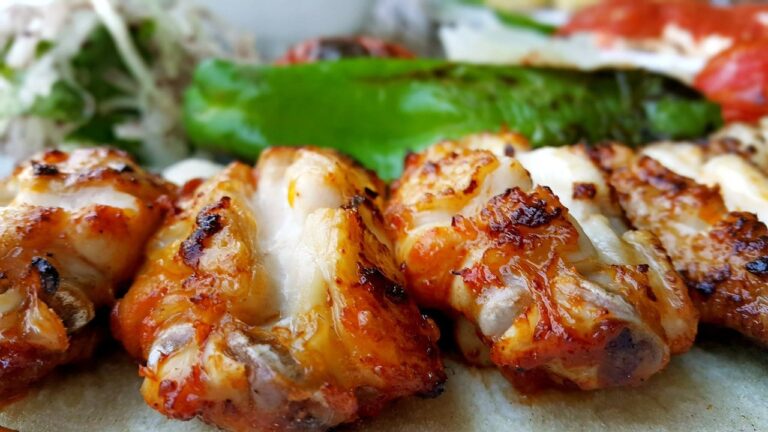
You can spot the real thing from across the room. The skewers are wide and flat, the fire is charcoal, and the meat is pressed along the blade in a thick, even band. The pepper is visible, the surface is charred in patches, and the whole portion slides off the skewer onto the bread in one piece.
Taste confirms it. The first bite should be lamb-rich and smoky, followed by a building warmth from the pul biber and a rush of juice from the tail fat. The texture should be dense and tender at once, never crumbly, never dry.
Finally, look at the table. Charred tomato, sumac onion, warm bread, and a glass of şalgam are the signs that you have found a kitchen that respects the tradition. Order with confidence, and you will understand why the international versions always seem to be missing something.
Frequently asked questions
Why does Adana kebab taste different outside Turkey?
The differences are systematic. Authentic Adana kebab is hand-minced lamb kneaded with tail fat and hot pepper flakes, cooked on wide skewers over charcoal. International versions usually use machine-ground beef, less fat, milder spices, and gas grills. Each substitution changes the texture, the moisture, and the flavor, so the dish that results resembles the original in name and shape but not in character.
Can international restaurants make an authentic Adana kebab?
Yes, but only with commitment. They need lamb with tail fat, hand mincing, proper pul biber, wide flat skewers, and real charcoal. Several restaurants outside Turkey have made the effort, importing both ingredients and technique, and their versions approach the original closely. The ones that fail are those that adapt the recipe for convenience, replacing ingredients and methods one by one until nothing of the original remains.
Is the spiciness the main difference between Adana and other kebabs?
Heat is the most obvious difference, but not the only one. Adana kebab also differs in its minced, pasty texture, its generous tail fat, its wide skewer, and its charcoal cooking. The pepper works with these elements rather than alone. A spicy minced kebab without the fat, the lamb, and the fire would still not be an Adana kebab, which is why the dish resists simple imitation.

All Over Information
The All Over Information editorial team researches and writes practical English-language guides to Turkey. Facts are checked against official and local sources before publication, prices are published as dated ranges rather than quotes, and guides are revised when things change. We accept no sponsored posts, paid placements or paid links.
More guides like this

Turkey’s Craft Coffee Shop Scene
Turkey has one of the world's oldest coffee cultures, and now it has one of its newest.

The Ultimate Guide to Testi Kebab (Pottery Kebab)
Testi kebab is the most theatrical dish in Turkish cuisine: a clay pot sealed at the rim, cooked for hours, and cracked…

The History Behind Manti (Turkish Dumplings)
Manti are the oldest travelers on the Turkish table.

Kumpir (Stuffed Baked Potato) Vs. International Variations: What Makes It Turkish
Every culture that grows potatoes has invented its own way of loading them with toppings, from the American loaded baked potato to…
The History Behind Borek
The history of borek is the history of the Turkish people in pastry form: a journey from Central Asian tents to Ottoman…

The Ultimate Guide to Ayran
Ayran is the quiet giant of Turkish cuisine: a simple mixture of yogurt, water, and salt that accompanies almost everything Turkey eats,…