Winter transforms Kuşadası from the cruise-port resort into a quiet Aegean town, and for the travelers who understand it, the season is the secret of the region. The crowds are gone, the prices have dropped, the ancient sites — Ephesus above all — are explored without the queues, and the town returns to its local life. This guide covers what to expect from the Kuşadası winter and how to make the most of it.
The Winter Weather: The Mild and the Changeable
The winter weather of Kuşadası is the mild and the changeable, and the Aegean coast spares the town the harshness of the interior. The days run in the teens — the highs around fifteen degrees and the lows in the single digits — and the sun, when it appears, brings the pleasant warmth; the rain comes in the showers and the spells, with the wet weeks between the clear ones, and the wind of the coast adds the chill; the snow is the rare event, dusting the hills occasionally and melting quickly. The winter traveler of Kuşadası packs the layers — the light coat, the sweaters, the rain jacket, the sturdy shoes — and the weather, changeable as it is, rarely stops the day.
The practical weather notes: the clear days are the golden ones, and the planning around the forecast matters; the indoor activities balance the outdoor ones, with the rainy days for the museums and the cafés; and the sea, cold for the swimming, gives the dramatic winter views from the shore. The winter weather of Kuşadası is the manageable one, and the preparation turns the changeable season into the pleasant one.
The Ancient Sites in the Winter Quiet
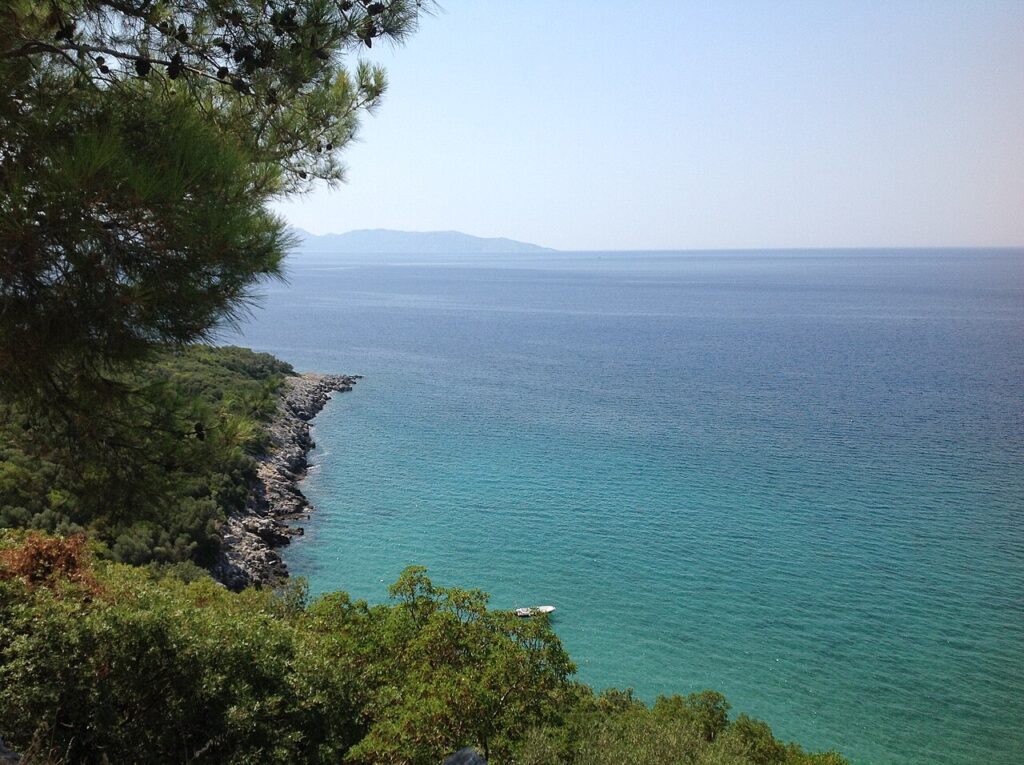
The winter is the season of the empty ancient sites, and the region’s greatest attractions become the private experiences. Ephesus in the winter — the marble streets and the Library of Celsus explored without the cruise crowds, the morning light low over the ruins, the silence of the empty site — is the version that the summer visitors never see; the House of the Virgin Mary, the Priene-Miletus-Didyma circuit, and the other ruins of the region follow the same pattern, the sites open and the crowds absent; and the winter light on the marble and the stone gives the photography that the harsh summer sun cannot. The winter is the season for the history lover, and the ancient world waits nearly empty.
The practical site notes: the sites keep the reduced winter hours, and the checking ahead matters; the winter days are the short ones, and the site visits fit the daylight; and the layers and the sturdy shoes suit the exposed ruins in the cool weather. The ancient sites in the winter quiet are the season’s greatest gift, and the empty Ephesus is the memory that lasts.

The Quiet Town: The Local Season
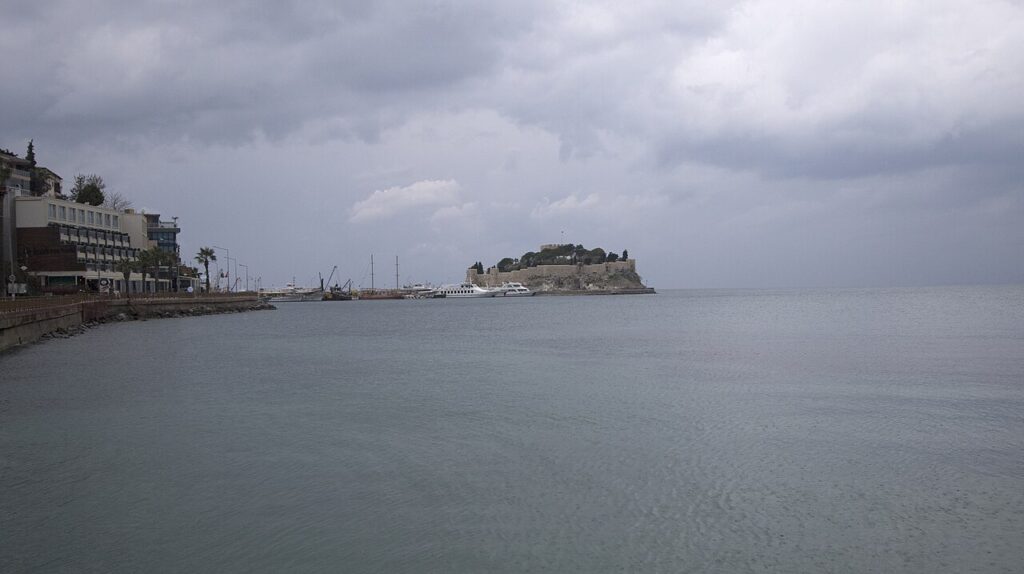
The winter is the season when Kuşadası belongs to the locals again, and the town that the cruise ships fill becomes the working Aegean town. The cruise port is quiet, the seasonal restaurants and the beach clubs are shuttered, and the daily life — the markets, the cafés, the old harbor’s fishing boats — takes over the streets; the locals’ Kuşadası is the one that the summer visitors never see: the backgammon in the tea gardens, the long conversations in the cafés, the town going about its business without the crowds. The quiet of the winter town is the season’s gift, and the intimacy of the place at its own pace is the experience that the summer cannot give.
The practical quiet notes: many restaurants and shops close for the season, and the checking of the opening hours matters; the year-round places — the lokantas, the cafés, the essential shops — serve the locals and the winter visitors; and the pace is the slow one, with the town’s life unfolding at the winter rhythm. The quiet town of the Kuşadası winter is the authentic one, and the season shows the real place.

The Winter Walks and the Views
The winter is the walking season of the region, and the mild days give the hikes that the summer heat forbids. The hills around the town — the trails above the bay, the viewpoints over the sea — give the walks with the panoramas, the air clear and the trails empty; the coastal paths and the shorelines give the level walks with the views of the winter sea; and the Dilek Peninsula, the national park with its forested hills and its bays, gives the longer walks through the winter landscape. The winter walks of the region are the exercise and the sightseeing combined, and the clear days deliver the best of the season.
The practical walking notes: the winter trails are the muddy ones after the rain, and the sturdy boots matter; the days are the short ones, and the walks fit the daylight; and the layers and the windproofs complete the kit, with the thermos of the tea the walker’s companion. The winter walks of the Kuşadası region are the season’s active pleasure, and the empty trails and the clear air reward the hikers.
The Winter Food: The Local Table
The winter food of Kuşadası is the local table, and the eating moves indoors to the places that serve the year round. The lokantas of the town serve the warming dishes of the season — the soups, the stews, the oven dishes, the grilled meats with the rice — at the local prices, and the meyhanes that stay open give the rakı tables with the warmth; the fish of the season continues with the boats of the old harbor, and the winter fish — the anchovies, the bonito of the season — give the local specialties; and the çay and the Turkish coffee flow through the cafés that become the town’s living rooms. The winter food of Kuşadası is the honest, the warming, and the local, and the meals are the anchors of the season’s days.
The practical food notes: the seasonal closures thin the restaurant choice, and the year-round places are the local ones; the winter fish of the season — the bonito and the anchovies — are the value and the specialty; and the fireside tables of the meyhanes and the cafés are the warm centers of the winter evenings. The winter food of Kuşadası is the local table at its most authentic, and the meals there warm the season.
The Prices: The Winter Value
The winter is the value season of Kuşadası, and the prices drop across the board. The accommodation falls to the year’s lowest — the summer’s hotels and the pensions at the fraction of the peak rates; the restaurants and the cafés charge the local prices; and the flights and the transport follow the off-season rates. The winter traveler of Kuşadası enjoys the town and the ancient sites at the fraction of the summer cost, and the savings — combined with the emptiness of the sights — make the season the smart one.
The practical value notes: the flight and the accommodation bookings ahead — the winter sales and the off-season rates — find the best prices; the year-round establishments give the local value; and the shoulder months — the late autumn and the early spring — extend the value with the milder weather. The winter prices of Kuşadası are the season’s arithmetic, and the savings fund the longer stays and the better hotels.
The Winter Itinerary
A winter day in Kuşadası builds itself around the weather and the light. The morning: the ancient site — Ephesus on the clear days, explored in the winter quiet — or the market and the old harbor; the midday: the lokanta lunch, the warming dishes of the season; the afternoon: the walk on the clear days — the hills, the coast, the Dilek Peninsula — or the cafés and the museums on the rainy ones; and the evening: the meyhane dinner with the warmth, the rakı and the mezes, and the stroll along the quiet waterfront with the winter sea and the lights of the town. The winter itinerary of Kuşadası is the slower, the warmer, and the more local version of the summer’s, and the traveler who follows it finds the season’s hidden pleasure — the empty ruins, the local town, and the prices of the year’s best value. The winter traveler who embraces the pace leaves with the memories that the summer crowds never find — the marble streets without the queues, the fireside evenings, and the quiet of the port at its own rhythm. And those memories, like the town, are the kind that last — and the reason the winter visitors return in the warmer seasons too, when the cruises fill and the cycle of the seasons completes its round. For the winter traveler, the quiet is the reward, and the mild Aegean winter is the secret that the summer’s crowds never learn.
The Takeaway
The winter Kuşadası is the season of the quiet and the value: the empty marble streets of Ephesus, the local town, the winter walks, and the fireside meyhanes, all at the year’s best prices. Pack the layers, plan around the weather, and let the mild Aegean winter do the rest. The cruise port that the summer crowds fill becomes, in the winter, the gateway to the ancient world at its most intimate — and the travelers who find it love it too.
Frequently asked questions
Is Kuşadası worth visiting in winter?
Yes — Ephesus and the ancient sites are nearly empty, the town is quiet and local, and the prices are the year’s lowest.
How cold does Kuşadası get in winter?
The highs run around fifteen degrees and the lows in the single digits, with the rain and the wind of the coast; the snow is rare.
Are the ancient sites open in winter in Kuşadası?
Yes — Ephesus and the other ruins keep the reduced winter hours, and the crowds are absent, making the visits the private ones.
What is there to do in Kuşadası in winter?
The ancient sites, the winter walks, the local markets, the fireside meyhanes, and the quiet town at its own pace.
Is it cheaper to visit Kuşadası in winter?
Significantly — the accommodation drops to the year’s lowest, and the restaurants and the transport follow the off-season prices.

All Over Information
The All Over Information editorial team researches and writes practical English-language guides to Turkey. Facts are checked against official and local sources before publication, prices are published as dated ranges rather than quotes, and guides are revised when things change. We accept no sponsored posts, paid placements or paid links.
More guides like this

Hidden Gems of Kusadasi Most Tourists Miss
Kuşadası shows its famous face to everyone — the cruise port, the bazaar, the waterfront — but the town and the region…

A First-Timer’s Guide to Kusadasi
Kuşadası is the Aegean coast's busiest port town, and for the first-time visitor it is the gateway to some of Turkey's greatest…

Top 10 Things to Do in Kusadasi
Kuşadası is the base for some of Turkey's greatest sights, and its own resort charms fill the spaces between.
How to Get to Kusadasi from Istanbul
The journey from Istanbul to Kuşadası is the well-trodden path to the Aegean coast, and the options — the flight, the bus,…
Family-Friendly Activities in Kusadasi
Kuşadası is a family destination that delivers on every level: the beaches are safe and shallow, the ancient sites engage the kids…
The Best Day Trips from Kusadasi
Kuşadası is the perfect base for the excursions of the Aegean region, and the day trips from the town reach some of…