The winter of Datça is the quietest season of the quietest town, and the peninsula returns to its local rhythms when the summer crowd departs. The mild Mediterranean winter gives the different Datça, and this guide covers what to expect.
The Winter Climate
The winter climate of Datça is the mild Mediterranean one, and the season brings the cool, the wet days rather than the cold. The daytime temperatures run through the mid-teens, and the nights drop to the single digits; the rain falls in the showers and the longer spells, and the sunny days break through between them; and the sea turns too cool for the comfortable swimming, though the hardy take the dips. The winter of Datça is the mild one, and the coast stays the pleasant one for the walking and the exploring.
The practical climate note: the winter days mix the sun and the rain, and the layers and the umbrella are the essentials; the temperatures stay well above the freezing; and the short days mean the planning of the daylight hours. The winter climate of Datça is the gentle one, and the peninsula stays the comfortable one.
The Quiet Town
The winter transforms Datça into the local town, and the seasonal establishments close for the season. Many of the restaurants, the cafes, and the pensions of the summer shut their doors, and the town’s life narrows to the year-round places; the locals return to the daily rhythms of the markets, the cafes, and the work; and the pace slows further, to the pace of the winter town. The quiet of the winter Datça is the profound one, and the town gives the glimpse of the local life.
The practical quiet note: the year-round restaurants and the cafes remain, and they serve the locals; the choices narrow, so the planning of the meals helps; and the atmosphere of the winter town is the cozy one, with the tea houses and the warm kitchens. The quiet town of winter Datça gives the different experience, and the local life shows itself.
The Winter Walks
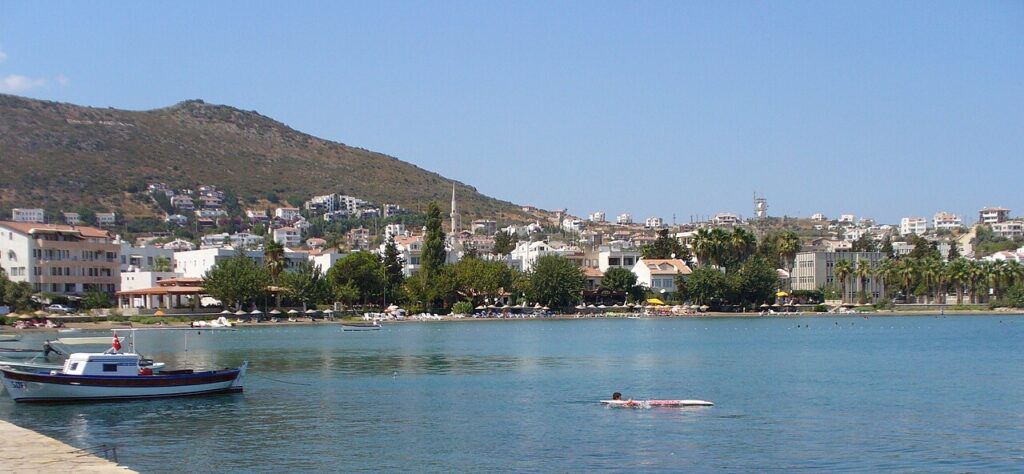
The winter is the walking season of Datça, and the mild days reward the hikers and the wanderers. The trails of the hills and the maquis stay green through the winter, and the walking works in the mild temperatures; the old town and the harbor give the gentle wanderings; and the empty beaches and the coves give the solitary strolls along the water. The winter walks of Datça deliver the exercise and the views, and the mild days reward the outdoors.
The practical walking note: the winter trails are the muddier ones after the rain, and the sturdy shoes help; the layers work for the changing day; and the short daylight plans the longer walks to the earlier hours. The winter walks of Datça give the active season, and the green hills reward the walker.
The Local Life and the Cafes
The winter shows the local life of Datça, and the year-round cafes and the tea houses become the centers of the town. The men gather over the tea and the backgammon, the conversations run long, and the daily life of the town unfolds around the tables; the markets continue their weekly rhythms, and the produce of the region — the citrus, the olives, the greens — fills the stalls; and the visitor becomes the rare one, welcomed into the local scene. The local life of winter Datça gives the authentic experience, and the cafes deliver the warmth.
The practical local note: the tea house culture is the local one, and the tea is the universal welcome; the market days of the town continue through the winter; and the English is the rarer one, and the phrasebook helps. The local life of the winter Datça gives the real town, and the warmth of the welcome compensates for the season’s chill.

The Olive Season
The winter is the olive season of the peninsula, and the groves of Datça come alive with the harvest. The olives of the region ripen through the late autumn, and the picking and the pressing run through the winter months; the presses work through the season, and the new oil flows; and the tasting of the fresh oil of the season is the winter treat. The olive season of winter Datça gives the foodie the special experience, and the groves deliver the region’s heart.
The practical olive note: the pressing season runs from the late autumn through the early winter; the producers and the shops sell the new oil; and the tasting of the fresh-pressed oil is the must of the season. The olive season of the winter Datça gives the agricultural rhythm, and the new oil rewards the visit.
The Empty Bays
The bays of Datça empty out in the winter, and the coves that fill in the summer become the solitary ones. The beaches sit empty, and the walks along them are the private ones; the beach cafes close, and the bays return to the wild; and the storms and the big seas give the dramatic scenes of the winter coast. The empty bays of the winter Datça give the solitude, and the wild coast delivers the different beauty.
The practical bay note: the winter seas can run rough, and the swimming is the limited one; the walks along the empty beaches are the lovely ones; and the winter light over the bays is the photographer’s reward. The empty bays of the winter give the wild Datça, and the solitude is the gift.

The Nearby Options
The winter options of the region keep the peninsula connected, and the nearby towns give the variety. The town of Marmaris, an hour and a half away, keeps more of its establishments open through the winter, and the shops and the restaurants there give the choice; the cities of the region — Muğla, and the larger centers — run on the year-round rhythms; and the day trips of the winter — to Knidos on the clear days, to the villages — continue. The nearby options of the winter give the fallback, and the region stays the connected one.
The practical nearby note: the winter road conditions stay the good ones on the main routes; the Marmaris day trip gives the shopping and the dining variety; and the Knidos visit works on the clear winter days. The nearby options of the winter Datça keep the options open, and the region delivers the variety.
The Winter Verdict
The winter of Datça suits the specific traveler: the walker, the hiker, and the photographer find the mild days and the empty coast; the seeker of the local life finds the real town, with the tea houses and the olive presses; and the lover of the quiet finds the quietest season of the quietest place. The sun-seeker and the swimmer should wait for the summer, but the winter Datça gives the different, the deeper experience of the peninsula.

The Winter ItinerarynnA winter day in Datça builds itself around the mild rhythm of the season. The morning begins with the long breakfast and the tea, and the plan for the day made over the warm table; the midday belongs to the walking and the exploring, when the mild temperatures and the clear breaks invite the trails and the old town; the afternoons belong to the tea houses and the local cafes, where the town’s winter life gathers; and the evenings bring the simple dinners at the year-round restaurants and the early nights that the season brings. The clear days make the excursions — the Knidos drive, the village visits — and the wet ones keep the traveler indoors with the books and the local conversation. The winter itinerary of Datça is the slower, the local rhythm, and the traveler who follows it finds the season’s hidden comfort.n
The Takeaway
The winter of Datça is the quietest season of the quietest town: the mild days, the empty bays, the local life, and the olive harvest. The walking and the photography reward the season, the tea houses and the markets show the real town, and the solitude is the gift of the winter peninsula. The sun-seekers wait for the summer, but the winter Datça gives the deeper, the local experience of the coast.
Frequently asked questions
Is Datca good in winter?
For the quiet, the walking, and the local life, yes — the mild Mediterranean winter gives the different, the deeper Datça.
What is the weather like in Datca in winter?
Mild and mixed — the daytime temperatures run through the mid-teens, with the rain and the sunny breaks.
Are things open in Datca in winter?
Fewer things — many seasonal restaurants and pensions close, but the year-round places serve the locals and the few visitors.
Can I swim in Datca in winter?
The sea is too cool for the comfortable swimming, though the hardy take the dips.
Is Knidos worth visiting in winter?
Yes — on the clear winter days, the ruins and the views are as good as ever, with the site nearly empty.

All Over Information
The All Over Information editorial team researches and writes practical English-language guides to Turkey. Facts are checked against official and local sources before publication, prices are published as dated ranges rather than quotes, and guides are revised when things change. We accept no sponsored posts, paid placements or paid links.
More guides like this

Top 10 Things to Do in Datca
Datça is the small town with the big peninsula, and the ten best things to do there range from the ancient ruins…

48 Hours in Datca: The Perfect Itinerary
Two days in Datça give the time for the essentials of the peninsula: the old town and the harbor, the swimming bays,…

Family-Friendly Activities in Datca
Datça is the family holiday of the natural kind: the shallow bays, the gentle pace, the space to run, and the adventures…

Photography Spots in Datca You Can’t Miss
Datça is the photographer's peninsula: the clear-water bays, the pine hills, the ancient ruins, and the long light of the Mediterranean.
Shopping Guide: What to Buy in Datca
The shopping of Datça follows the town's character: the honest, the local, the small-scale finds rather than the resort sprawl.

Nightlife Guide to Datca
The nightlife of Datça is the quiet one, and the town's evenings run on the long dinners, the harbor walks, and the…