Winter transforms Mustafapasa into one of the most atmospheric corners of Cappadocia. The crowds vanish, the lanes fall silent, and when snow falls on the old stone mansions and the fairy chimneys, the town looks like a scene from another age. Winter here is cold, it is true, but it is also beautiful, intimate, and inexpensive. This guide tells you what to expect from a winter visit, how to pack, what to see, and how to enjoy the season at its best. If you are willing to trade warm weather for quiet streets and snowy views, Mustafapasa in winter will reward you richly.
The Character of a Winter Visit
Winter gives Mustafapasa a completely different personality. The summer crowds are gone, the terraces are quiet, and the town returns to its own slow rhythm. The streets that bustle in high season become places where you can stand still in the middle of a lane and hear nothing but the wind.
The light is lower and softer, casting long shadows across the carved stone. The air is clear and dry, and the views across the valley gain a sharpness that summer haze blurs. Photographers especially will find winter the most rewarding season.
The town is also at its most authentic in winter, because the people you meet are locals going about their lives. The tea houses are full, the bakeries are busy, and the sense of a community living through the season is tangible. For travelers who find high-season Cappadocia too crowded and commercial, the contrast of a winter visit can come as a revelation: a region that feels genuinely lived-in rather than performed for visitors.
Weather and What to Pack
Winter on the Cappadocian plateau is genuinely cold. Daytime temperatures hover around freezing in the coldest months, and nights can drop well below it. Snow is common, though not constant, and the wind on the exposed valley slopes makes the cold feel sharper.
Pack in layers, with a warm base layer, a fleece or sweater, and a windproof outer jacket. A hat, gloves, and a scarf are essential, and warm, waterproof boots will make the difference between a good trip and a miserable one.
The guesthouses are well heated, and the old stone walls hold warmth well, but you will notice the cold the moment you step outside. Plan your day around the warmest hours, and carry a thermos or stop for tea often. The locals dress for the plateau year-round, so follow their example rather than your instincts from warmer climates, and you will stay comfortable from morning to night.

Getting Around in Winter
The roads to and around Mustafapasa are generally kept clear in winter, since the region relies on tourism year-round, but conditions can change quickly when snow falls. Check the weather before setting out on day trips, and allow extra time for the mountain roads.
Within the town, walking is the main way to get around, and the compact lanes are manageable even in snow. Some of the steeper paths can be slippery, so good footwear is essential, and the churches’ access paths deserve particular care.
If you plan day trips, confirm that your destinations are open, since some sites reduce their hours in winter. The famous valleys remain accessible, and a day trip on a clear winter day, with the rock glowing against the snow, is unforgettable. Carry a map or keep your phone charged, because the shorter daylight means you should not rely on finding your way in the dark if a walk takes longer than expected.
What to See in Winter
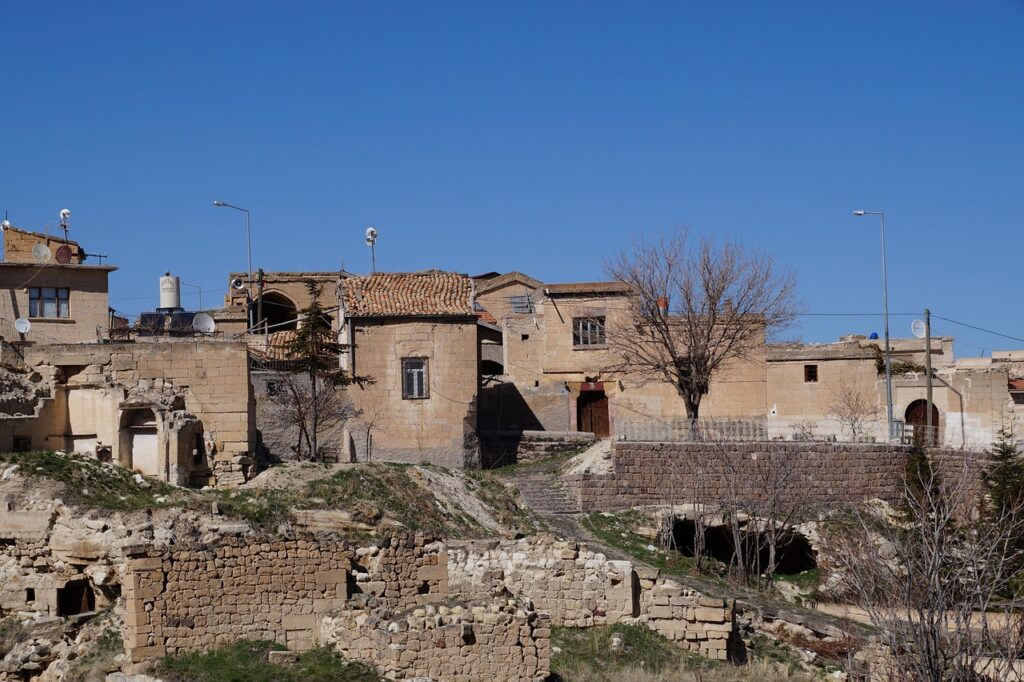
All the essential sights of Mustafapasa are open in winter, and many are at their most atmospheric. The churches and monasteries, with their frescoes and silence, feel even more contemplative in the cold months, and you will often have them to yourself.
The old quarter, of course, is the year-round heart of the town, and winter light on the mansions is exquisite. The wineries are open too, and tasting in a warm cellar while snow falls outside is one of the season’s great pleasures.
The valleys around town remain walkable, though you should choose the lower and easier routes in icy conditions. The reward is a landscape that most visitors never see: white snow against the red and cream rock, with no one else in sight. Start your walks later in the morning, when the paths have had a chance to thaw a little, and turn back well before dark, since the temperature drops quickly as the sun goes down.
The Winter Food Scene
Winter is the season of hearty food, and Mustafapasa delivers. The lokantas serve warming lentil soup, bean stews, and slow-cooked dishes that suit the cold, and the bakeries do a brisk trade in fresh bread and pastries.
Guesthouse breakfasts are especially welcome in winter, with hot tea, eggs, cheese, and honey to start the day. Many guesthouses also serve dinner, and a home-cooked meal by a stove, with the wind outside, is the essence of winter comfort.
Wine is a winter pleasure too, and the local cellars are warm and welcoming. A glass of the valley’s red by the fire, after a day in the cold air, may be the single most satisfying experience of a winter visit.
Cozy Evenings and Indoor Life
The short days of winter make evenings a central part of the visit. The town has no loud nightlife in any season, and in winter the evenings are about warmth, food, and conversation.
Guesthouses are the natural center of evening life, with common rooms, stoves, and hosts who are happy to talk about the town and the region. Some organize small dinners, tastings, or storytelling sessions, which are wonderful ways to meet fellow travelers.
If you want a different scene, Urgup, a short drive away, has more restaurants and cafes that stay open late. But for most visitors, a quiet evening in Mustafapasa, wrapped in a blanket on a terrace or by a stove, is exactly the winter experience they came for. Bring a book or a game for the long evenings, and you will be perfectly equipped for the season’s unhurried pace.
Winter Photography
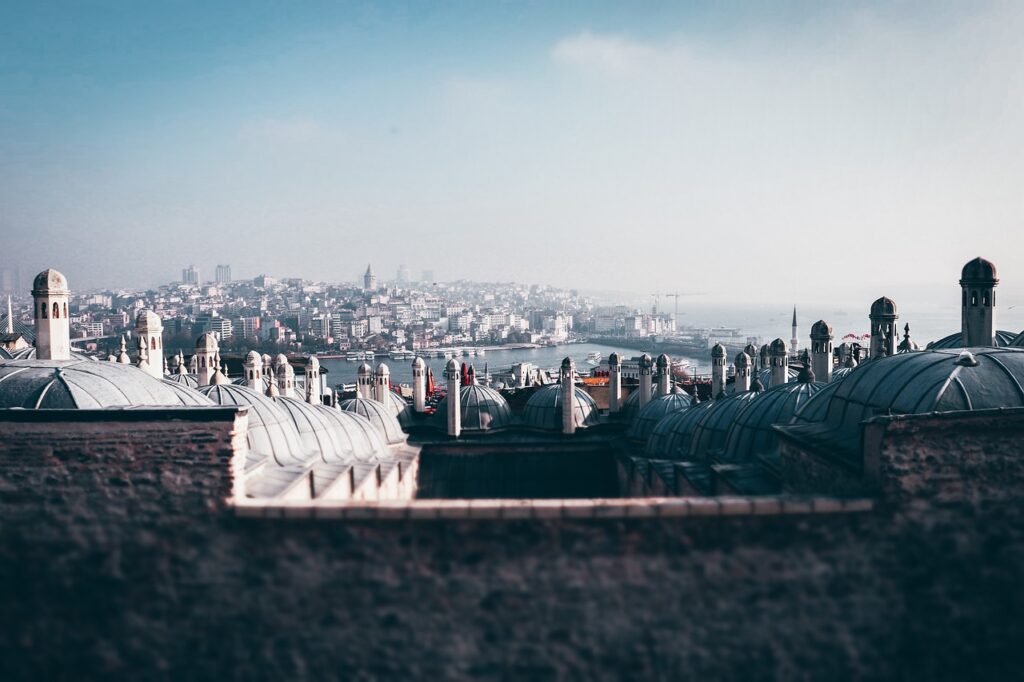
Photographers should plan a winter visit with care, because the light and the snow combine to produce images that summer cannot offer. The snow softens the landscape, and the low winter sun turns the stone a deep amber against the white.
The best hours are the golden ones, late morning and the last two hours before sunset. The rooftops of the old quarter, dusted with snow, and the view from the streets above town are the classic winter shots. Indoors, the churches offer a different kind of image: the dim light, the frescoes, and the silence combine into photographs that feel like a step back in time, provided you manage the low light with a steady hand or a tripod.
Snowfall itself is the wild card. If you are lucky enough to be in town during a snowstorm, be ready with a camera, because the window of perfect conditions, snow on the stone and light breaking through, can be brief.
The Quiet Side of the Season
The greatest luxury of a winter visit is quiet. The sites, the lanes, and the restaurants are all calm, and you can experience the town without the jostle of high season. For many visitors, this alone justifies the cold.
The silence of the valley in winter is remarkable. Walk out of town on a still, snowy morning and you will hear almost nothing, a rare commodity in the modern world and one that the town gives freely. This is also the season when the hot springs and spa facilities in the region become especially inviting, so consider pairing a day in Mustafapasa with an afternoon of warmth elsewhere in Cappadocia.
The locals also have more time in winter, and conversations that would be brief in the busy season can stretch into long exchanges over tea. Winter is the season when Mustafapasa feels most like itself.
Practical Winter Tips
A few practical habits will make your winter visit smooth. Confirm that your guesthouse has good heating before booking, since not all rooms are equally warm, and ask about the rooms’ exposure, because north-facing rooms can be noticeably colder.
Carry cash for the smaller shops and cafes, which may close early in winter. Check the opening hours of the churches and wineries, as some keep shorter winter schedules, and confirm day trips the evening before. If you are driving, keep a warm blanket and a scraper in the car, and park carefully on the icy streets of the old quarter, where the surface can be deceptive.
Finally, embrace the season. Winter in Mustafapasa is not a compromise; it is a different, deeper experience. Come prepared for the cold, plan around the light, and the town will give you a visit that summer visitors will envy. The prices are lower, the guesthouses are warmer than the weather suggests, and the memories of a snow-covered valley are the kind that last a lifetime.
Winter Festivals and Local Events
Winter in the region is not only about silence and snow. The season carries its own celebrations, from the New Year festivities to the local gatherings that bring the communities of the valley together. Markets and special meals mark the holidays, and the guesthouses often join in.
For visitors, the quiet of the season is itself the main event, but it is worth asking your hosts what is happening during your stay. A local celebration, a special meal, or a village gathering can turn a winter visit into something truly memorable.
The short days also concentrate the pleasures: a long breakfast, a walk in the clear cold air, an early dinner by the fire. Winter in Mustafapasa is a season of warmth inside and beauty outside.
Frequently asked questions
Is Mustafapasa worth visiting in winter?
Absolutely. The crowds vanish, the snow transforms the landscape, and the town is at its most atmospheric. The cold requires good packing, but the quiet streets, the warm guesthouses, and the low winter light make it one of the most rewarding seasons for a visit. Winter rates are the lowest of the year, which sweetens the deal considerably.
How cold does it get in winter?
Daytime temperatures in the coldest months hover around freezing, and nights drop well below it. Snow is common but not constant, and the wind on the exposed plateau makes the cold feel sharper than the thermometer suggests. With proper layers, boots, and a warm jacket, the cold is manageable, and the guesthouses are well heated.
Are the sights open in winter?
Yes, the main sights of Mustafapasa and the surrounding region remain open in winter, though some keep reduced hours and a few close on the coldest days. It is wise to confirm opening times for churches, wineries, and day trip destinations, and to check road conditions after heavy snowfall before setting out.

All Over Information
The All Over Information editorial team researches and writes practical English-language guides to Turkey. Facts are checked against official and local sources before publication, prices are published as dated ranges rather than quotes, and guides are revised when things change. We accept no sponsored posts, paid placements or paid links.
More guides like this

Where to Stay in Mustafapasa: Neighborhood Guide
Mustafapasa is a small town, but the choice of where to stay still matters. The old Greek quarter, the modern lanes near…

The Best Day Trips from Mustafapasa
Mustafapasa is a perfect base for exploring the wider Cappadocia region.

Photography Spots in Mustafapasa You Can’t Miss
Mustafapasa is a photographer's gift. The town combines carved stone mansions, rock-cut churches, vineyards, and valley views into a compact setting where…
Top 10 Things to Do in Mustafapasa
Mustafapasa is a small town with a remarkably long list of things to see. Once the Greek town of Sinasos, it packs…

Shopping Guide: What to Buy in Mustafapasa
Shopping in Mustafapasa is a pleasure rather than a pressure. The town has no great bazaar and no hard-sell merchants, which is…

A Solo Traveler’s Guide to Mustafapasa
Mustafapasa is one of the best places in Cappadocia for solo travelers.