Ayvalik is a photographer’s town in the truest sense: every street, every harbor, and every hour of light seems designed for the camera. The old Greek houses, the bay scattered with islands, the boats in the harbor, and the windmills of Cunda give you endless material. This guide takes you to the spots that matter most and when the light is at its best.
Why Ayvalik Is a Photographer’s Town
Some places photograph well by accident; Ayvalik does it by design. The town was built to be looked at, with hillside houses facing the sea and a waterfront that frames the bay. The ordinary walk to breakfast produces a dozen usable frames before you have even had coffee.
The architecture is the first gift. The nineteenth-century Greek houses, with their stone, timber, and painted plaster, are endlessly photogenic, their colors changing from morning pastels to afternoon gold. The lanes between them compress the view, and the courtyards hide quiet compositions at every turn.
The setting is the second. The bay, with its islands, boats, and constantly changing water, gives the town a wide-open counterpoint to the narrow streets, and the sunsets are the daily spectacle. Landscape, street, detail, and wide shots all work here, which makes it a rare destination for any style of photographer.
The Old Quarter: Streets and Stone Houses
The old Greek quarter is where you should start, and where you will return. Its narrow lanes, stone-paved and shadowed by tall houses, are a masterclass in street photography, with a new composition around every corner. The facades, the shuttered windows, the bougainvillea, and the cats in the doorways reward a slow walk.
The light is the key. In the morning the sun rakes across the lanes, making the stone glow and throwing long shadows; by late afternoon the warm light turns the facades golden. Midday is flat and harsh, so shoot the old quarter at the edges of the day.
Work the details as well as the streets. The doors alone could fill a portfolio: carved wood, faded paint, iron knockers, and peeling plaster. The staircases, the washing lines, and the everyday street life give you the human texture that makes travel photography feel like a place rather than a postcard.

The Waterfront and the Bay
The waterfront gives Ayvalik its sense of space, and it photographs beautifully at almost any hour. The long promenade, the benches facing the water, and the islands scattered across the bay give you clean, wide compositions that anchor your story of the town.
The morning light on the bay is soft and clear, with the water often flat and mirror-like, while the afternoon brings sparkle as the breeze picks up. The promenade also delivers the human element: fishermen, strollers, tea drinkers, and children chasing the gulls pass through your frame if you wait.
Compose with the islands in mind. The layered view, from the near shore across the water to the islands and the hills beyond, gives your photographs depth that a flat sea cannot. A telephoto pulls the islands in, while a wide angle keeps the whole bay in the frame; both work from the same spot.
The Harbor and the Boats
The harbor is Ayvalik’s working heart, a gift for photographers who like boats, rigging, and the honest textures of a working port. The fishing boats and working vessels sit in tight rows, their paint, ropes, and nets providing endless detail. Morning, when the boats return, is the liveliest time.
The ferry pier adds a different flavor, with the lines of the ship and the activity of departure. The harbor also frames the town: from the water’s edge the old houses climb the hill behind the boats, giving you the classic layered Ayvalik view in a single frame.
The late light is the harbor’s best friend. As the sun drops, the boats turn dark against golden water, and the harbor lights warm up in the blue hour that follows. Bring a tripod for the evening, and the harbor gives you the most atmospheric photographs of your trip.

Cunda Island: Windmills and Light
Cunda island is a photography destination in its own right, and no Ayvalik photo collection is complete without it. The harbor and the lanes echo the mainland, but the island’s real gift is the ridge above the town, where the old windmills stand against the sky, with wide views over the bay.
The windmills themselves are magnificent subjects, their stone towers and wooden sails silhouetted against the sea and sky. In the late afternoon the light catches the bay below, and the scene takes on a soft golden warmth. It is the classic Cunda photograph, and for good reason.
The island’s harbor is the evening counterpart. The tavern tables, the boats, and the warm lights that come on at sunset give you a completely different set of images, and the mix of people and water makes the harbor a lively street-photography location. Cross early and give the island a full day.
The Beaches and the Islands from the Water
The beaches photograph beautifully, especially the contrast between sand, sea, and the islands on the horizon. Sarimsakli’s long curve, the calm shallows of Altinova, and the pebbly coves around Cunda each have their own character, and the bright summer light suits the beach scene perfectly.
The islands are best photographed from the water. The day boats that thread between the islets give you changing views of rocky shores and hidden coves, and the movement adds a rhythm that a fixed viewpoint cannot. Keep your camera handy and your lens protected from the spray.
Water photography rewards early mornings and calm days. When the sea is flat, the reflections double the beauty of every composition, and soft morning light keeps the colors gentle. The afternoon breeze gives you texture and sparkle instead, so shoot the same bay at different times and the variety will surprise you.

The Olive Groves and the Countryside
A short drive or a long walk takes you into the olive country that surrounds Ayvalik, a beautiful change of pace. The ancient groves, with their gnarled trunks and silver-green canopies, are wonderful subjects, and the light filtering through the leaves makes them glow. The views across the groves to the sea are quietly magnificent.
The old trees are the stars. Some are centuries old, with trunks twisted into shapes that suggest faces and figures, and they photograph best in the low light of morning or late afternoon. The dry, herb-scented hills between the groves add texture.
The countryside also frames the town. From the hills above, the whole bay opens out before you, with the town, the harbor, Cunda, and the islands in a single view. These are the postcard viewpoints, and finding your own version of them is one of the most rewarding shoots in the region.
Details, Doors, and Street Life
The soul of Ayvalik photography is in the details, and the town is full of them. The doors and windows alone could keep you busy for days: painted shutters, carved wood, ironwork, and peeling paint in every shade of the Aegean palette. These small compositions tell the town’s story as clearly as any wide view.
Street life gives your photographs the human layer. The fishermen mending nets, the tea drinkers in the cafes, and the children playing in the lanes are all part of the town’s texture. Shoot with respect, ask when it feels right, and the natural warmth comes through in the images.
The markets are a detail photographer’s paradise. The stacks of olives, the wheels of cheese, the sacks of herbs, and the hands that weigh and wrap them give you color, texture, and movement in one place. A morning at the market fills your card with images that have everything to do with the town.
Sunset and the Blue Hour
Sunset is Ayvalik’s daily show, and it deserves a serious effort. The sun drops behind the bay, and the islands, the boats, and the rooftops all catch the changing light as it moves from gold to rose to deep blue. The waterfront, the harbor, and the Cunda ridge give you different stages for the same performance.
The best position is on the water. A seat at a waterside cafe, the harbor wall, or the deck of a boat puts you in the middle of the show, and the reflections double the color. Work the transitions: the last minutes of direct sun, the golden afterglow, and the blue hour each reward a different exposure.
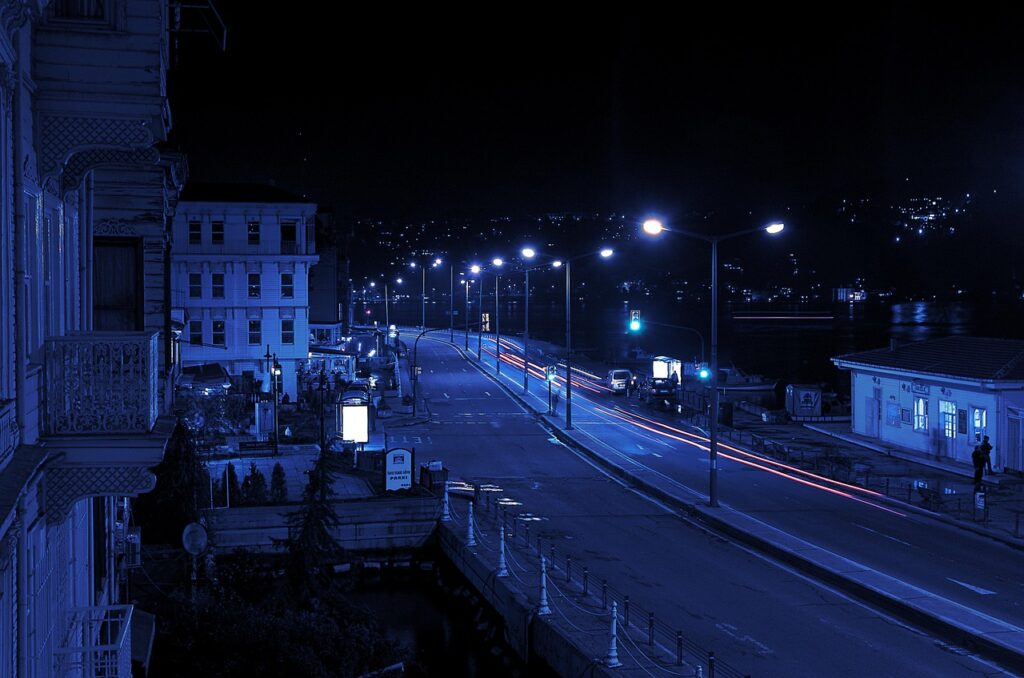
Stay for the blue hour. When the color drains from the sky, the town’s lights begin to glow, and the harbor, with its reflections and the warm windows of the taverns, becomes a different world. A tripod, a slow shutter, and patience at this hour produce the photographs that make people ask where you have been.
Practical Tips for Photographers
A few practical habits make the photography more productive. The light is best in the first two hours after sunrise and the last two before sunset, so plan serious shooting around those windows and use midday for eating, resting, and scouting. The town is small enough to return to a spot at the perfect time.
Pack for the conditions. The summer light is bright and contrasty, so a lens hood and a polarizing filter help, and a tripod opens up the evening shots. The sea air is salt-laden, so keep a cloth for the lens and protect your gear from spray on the boats.
Finally, walk. The best frames in Ayvalik are found, not planned, and the town rewards the photographer who wanders with time to spare. Leave the camera out and let the town come to you. Good light, great subjects, and a relaxed pace are what make Ayvalik so satisfying to photograph.
Frequently asked questions
When is the best light for photography in Ayvalik?
The best light is in the first two hours after sunrise and the last two before sunset, when the low sun makes the stone houses glow and the bay turn golden. The blue hour after sunset is ideal for the harbor and the evening lights. Midday light is harsh and flat, best used for scouting rather than shooting.
Do I need a permit to photograph in Ayvalik?
No, casual travel photography in public spaces in Ayvalik requires no permit. The streets, beaches, harbors, and viewpoints are all freely accessible. As with anywhere, be respectful when photographing people, ask before taking portraits, and follow any rules at private venues or museum interiors. Commercial shoots may need permission.
What lens should I bring to Ayvalik?
A versatile setup covers everything: a wide-to-midrange zoom for the streets, the waterfront, and the bay views, and a telephoto for the islands and the windmills of Cunda. A fast prime is useful for the low light of the blue hour, and a tripod helps with the evening and interior shots. Keep it simple and light.

All Over Information
The All Over Information editorial team researches and writes practical English-language guides to Turkey. Facts are checked against official and local sources before publication, prices are published as dated ranges rather than quotes, and guides are revised when things change. We accept no sponsored posts, paid placements or paid links.
More guides like this

Ayvalik Airport and Transport Guide
Ayvalik is easy to reach and easy to move around once you arrive. The nearest airport, Koca Seyit Airport, connects the region…

The Best Day Trips from Ayvalik
Ayvalık sits on the Aegean coast of the Balıkesir province, and the excursions from the olive-oil town reach the islands, the beaches,…
Where to Stay in Ayvalik: Neighborhood Guide
The stays of Ayvalık match the town's character: the old town's historic houses, the seafront's water views, and the island of Cunda's…
Family-Friendly Activities in Ayvalik
Ayvalik is a surprisingly easy place to travel with children.
Shopping Guide: What to Buy in Ayvalik
Ayvalik is one of the best shopping towns on the Turkish Aegean, not for big malls or boutiques, but because it sits…

How to Get to Ayvalik from Istanbul
Ayvalik sits on the Aegean coast, a long way from Istanbul, and the journey between them takes a full travel day no…