Most travelers picture Sanliurfa under a blazing summer sun, but the city has a quieter, softer winter face that few visitors ever see. The famous heat vanishes, the crowds thin out, and the sacred pool, the bazaars, and the monuments take on a different mood under cool grey skies and occasional rain. Winter in Urfa is mild by Turkish standards, with comfortable days that still allow plenty of sightseeing. This guide tells you exactly what to expect, what to pack, and how to make the most of the city when the tourist season is at its quietest.
The Climate of a Urfa Winter
Sanliurfa’s winter runs from December through February, and it is remarkably gentle compared with the rest of Turkey. Daytime temperatures are cool rather than cold, and the sun, when it appears, can make the afternoon feel genuinely warm.
Nights are the cold part: after the sun drops, the temperature falls quickly, and the stone streets of the old town can feel sharp and raw. This is when the tea gardens’ indoor rooms and the restaurants’ warm corners come into their own. Frost is possible on the coldest mornings, though snow is rare and melts quickly when it does fall.
Rain is the main variable. Winters bring the bulk of the region’s annual rainfall, usually in short, passing showers rather than long grey spells, and the plain turns briefly green. The rivers run higher, and the landscape looks entirely different from the sun-bleached version of summer. Check the forecast and plan indoor activities for the wettest hours.
Why Winter Is a Secret Season
The greatest advantage of a winter visit is the silence. In summer, Balikligol is ringed with visitors from morning to night; in winter, you may find yourself alone at the pool’s edge, watching the carp circle beneath a low winter sun.
The same applies across the city. The bazaar is calmer, the mosque courtyards are empty, and at Gobekli Tepe you can study the ancient pillars without tour groups pressing at your shoulder. Shopkeepers have time to talk, guides linger over details, and the whole pace of the city slows down. Winter is the season for slow, thoughtful travel.
Prices drop too. Hotels and flights cost a fraction of their summer rates, and the few travelers who do come are treated with extra warmth. For photographers, food lovers, and anyone who dislikes crowds, winter is arguably the best time to see Urfa.

What to Pack for Winter in Urfa
The key to a comfortable winter visit is layers. Mornings and evenings are cold, but the midday sun can still demand a lighter layer, and moving between the two extremes in a single day is normal.
Bring a warm jacket, a scarf, and a hat for the early hours, plus comfortable shoes that can handle damp stone streets. A compact umbrella is essential, and waterproof footwear pays for itself on the wettest days.
Modesty still matters, and layered clothing actually makes it easier to dress respectfully around mosques and religious sites. Pack a mix you can peel on and off, and you will be comfortable from the first call to prayer to the last cup of evening tea.
Sightseeing in Winter
Winter changes the rhythm of sightseeing rather than the list of sights. The open-air monuments, from Balikligol to the castle, are at their most atmospheric under a winter light, with long shadows and low sun that suit photography beautifully.
The cave of Abraham, the mosques, and the museums are naturally indoor-friendly, and the absence of heat makes walking the old town a genuine pleasure. You can cover in one day what summer visitors split across two to escape the sun.
The main caution is the short daylight. Winter days are brief, so start early and prioritize outdoor sights for the morning hours. Sunset comes before you expect it, and the old town’s lamplit lanes are best enjoyed from early evening onward. With a sensible plan, a winter day in Urfa holds far more than the weather might suggest.

Indoor Delights: Museums and Baths
Winter is the perfect season for the city’s indoor treasures. The Sanliurfa Museum, with its extraordinary prehistoric collection, deserves a slow, warm visit, and the winter crowds leave plenty of space in the galleries.
The old city’s historic hamams are another winter pleasure. A steam bath in the cold season is a tradition as old as the buildings themselves, and emerging into the crisp evening air, glowing and relaxed, is one of the most satisfying experiences the city offers.
Tea gardens move indoors in winter, and the coffee houses of the old town fill with regulars. Pull up a chair by the stove, order tea, and watch the rain drum on the glass; this is the Urfa that summer visitors never meet.
Winter Food: Soups and Warm Tables
Urfa’s kitchen changes with the seasons, and winter belongs to the soup houses. Red lentil soup, bean stews, and the rich broth of the region’s slow-cooked dishes fill the menus, served with warm bread and lemon.
The grills still blaze, and winter is in fact the classic season for ciğer kebab, whose warmth and richness suit cold evenings perfectly. Locals eat early in winter, and the lokantas hum from midday onward.
Save the evening for dessert and tea: pistachio pastries, warm syrupy sweets, and glass after glass of strong tea are the natural end to a cold day. In winter, Urfa’s food is comfort food in the truest sense. Many restaurants also keep the traditional tandoor ovens busy, and a piece of fresh bread straight from the stone is the warmest welcome the city can offer.
Getting Around in Winter
Winter brings little disruption to Urfa’s transport. The airport operates normally, buses run on schedule, and the rain rarely closes the roads, so you can move around the city and region with confidence.
The one change is the weather’s effect on your plans. Flight schedules and bus departures rarely suffer, but fog on the plain is not unknown, so leave a little buffer if you have a flight to catch. A heavy shower can make the old town’s stone lanes slippery, so allow extra time and choose sturdier shoes. Taxis are plentiful and inexpensive if you prefer not to walk between stops.
For day trips, the sites are open year-round, though access to the more remote ones, like Sogmatar, can be trickier after rain. Check conditions locally and keep a flexible plan, and winter will cause you almost no trouble at all.
Winter Day Trips
The classic excursions work well in winter. Gobekli Tepe is fully open, and its protective canopy makes it comfortable even in damp weather, while Harran’s beehive houses are at their most evocative under winter light.
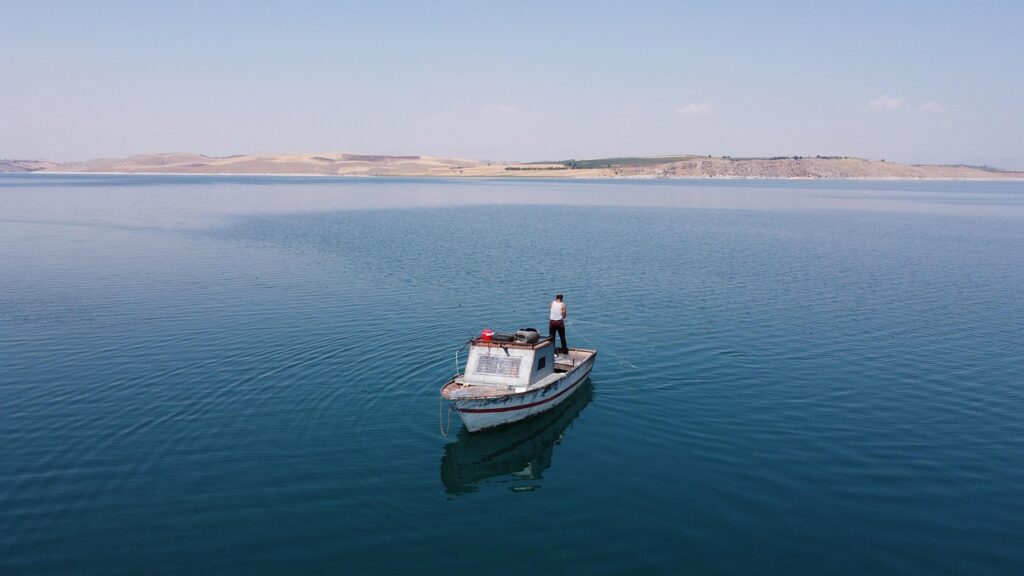
The Euphrates towns, including Birecik and Halfeti, are quieter in winter but no less beautiful, and the bald ibis nesting season actually begins around the end of winter. The reservoirs and river valleys take on a grey-blue drama that summer cannot match.
Just plan for short daylight and cooler riverside air. A winter day trip is a different experience from the summer version, slower and more atmospheric, and the empty sites make the long drives feel entirely worthwhile. Bring a thermos of tea for the road and you will be set for the day.

Crowds, Prices, and Booking
Winter is the low season, and it shows in your wallet. Hotel rates drop steeply, flights are cheaper, and even the entrance to some sites costs less than in summer. For budget travelers, winter is the smartest season by far.
The flip side is that some smaller restaurants and services trim their hours, and a few businesses close entirely. It is wise to confirm opening times the evening before, and to keep a shortlist of backup restaurants so a closed door never spoils your plan. Check in advance that your hotel, the museum, and any planned tours will be operating during your dates.
Booking is easy, since availability is high, but the cheapest hotel rates and flight fares still reward early planning. Aim for a winter visit and you will enjoy Urfa at its most affordable and most peaceful, with the city essentially to yourself.
A Sample Winter Day in Urfa
Picture a winter morning: you wrap up warm and walk to Balikligol as the sun lifts the frost, watching the carp gather beneath the winter light. The pool is almost empty, and the call to prayer echoes across the water.
Mid-morning, you explore the bazaar, where the covered lanes shelter you from the cold, and you buy a bag of isot to warm your kitchen at home. At lunch, a bowl of red lentil soup and a plate of ciğer kebab in a crowded lokanta.
The afternoon goes to the museum, and as the light fades you climb toward the castle for the short winter sunset. The evening ends in a tea garden, steam rising from your glass, with the old city glowing under the lamps. That is winter in Urfa.
Frequently asked questions
Is Sanliurfa cold in winter?
Winter days in Sanliurfa are cool but mild, often reaching comfortable daytime temperatures, while nights can be distinctly cold. Frost is possible and rain is common, but snow is rare. Layers, a warm jacket, and an umbrella will keep you comfortable through any winter day.
Are the sights open in winter?
Yes, nearly everything stays open year-round. Balikligol, the cave, the mosques, the museum, Gobekli Tepe, and Harran all operate in winter, though some smaller restaurants and services shorten their hours. Check ahead for the museum and any organized tours you plan to use.
Is winter a good time to visit Urfa?
For many travelers, winter is the best time. The crowds vanish, the prices drop, and the light on the old stone city is beautiful. If you can tolerate cool mornings and the chance of rain, you will see a quieter, more intimate Sanliurfa than summer visitors ever experience.

All Over Information
The All Over Information editorial team researches and writes practical English-language guides to Turkey. Facts are checked against official and local sources before publication, prices are published as dated ranges rather than quotes, and guides are revised when things change. We accept no sponsored posts, paid placements or paid links.
More guides like this

A First-Timer’s Guide to Sanliurfa
Welcome to Sanliurfa, the ancient city in southeastern Turkey that locals simply call Urfa. Few places in the country pack so much…

The Best Day Trips from Sanliurfa
Sanliurfa is not just a destination in its own right; it is also one of the best bases in southeastern Turkey for…

Sanliurfa on a Budget: Money-Saving Travel Tips
Sanliurfa is one of the most affordable destinations in Turkey, and with a little planning you can see its greatest sights, eat…
Photography Spots in Sanliurfa You Can’t Miss
Sanliurfa is a photographer's dream: golden stone, sacred water, ancient bazaars, and a plain that stretches to the horizon. The light here…
A Foodie’s Guide to Sanliurfa
If you love food, Sanliurfa will rearrange your understanding of Turkish cuisine.

Sanliurfa Airport and Transport Guide
Getting to and around Sanliurfa is simpler than most travelers expect.