Winter is the season of Konya’s soul. The city that gave the world the Whirling Dervishes celebrates its most important days in December, when the Mevlana Festival turns the streets into a pilgrimage of music and light, and the cold weather only deepens the atmosphere. The museums are quiet, the food turns rich and warming, and the snow on the green dome of the museum is one of the iconic images of Turkey. Winter is also the cheapest season to visit, with the lowest prices of the year outside the festival weeks. This guide explains what to expect, how to prepare, and how to make a winter visit genuinely magical.
The Winter Climate
Konya sits on the high Central Anatolian plateau, more than a thousand meters above sea level, and its winters are the real thing: cold, dry, and often snowy. Daytime temperatures in December, January, and February hover around freezing, and nights regularly drop well below it.
The good news is that the cold is dry rather than damp, which makes it more bearable than the coastal winters, and the sun, when it appears, gives the city a clear, crystalline light. Snowfall is common but usually not heavy enough to disrupt travel for long.
Expect short days and early darkness, which actually suits sightseeing: the museums open early, the city winds down by evening, and the winter light, with its long shadows, is a photographer’s gift. The relative humidity is low, so the cold bites less than it would on the coast, and the skies are often brilliantly clear after a snowfall.
The Mevlana Festival in December
The centerpiece of the Konya winter is the Mevlana Festival, held each December around the anniversary of Rumi’s death on December 17. The festival, known as Seb-i Arus, the “night of union,” is the most important event in the Mevlevi calendar, and dervishes gather from around the world.
The program includes sema ceremonies, concerts, exhibitions, and lectures, spread over about two weeks, and the city fills with pilgrims and visitors. The atmosphere is intense and moving, and even the streets around the museum take on a festive glow.
If you come for the festival, plan far ahead: hotels sell out, prices rise, and ceremony tickets go quickly. The reward is seeing Konya at its most extraordinary, wrapped in the tradition it gave the world.
Winter Sightseeing: Museums and Mosques
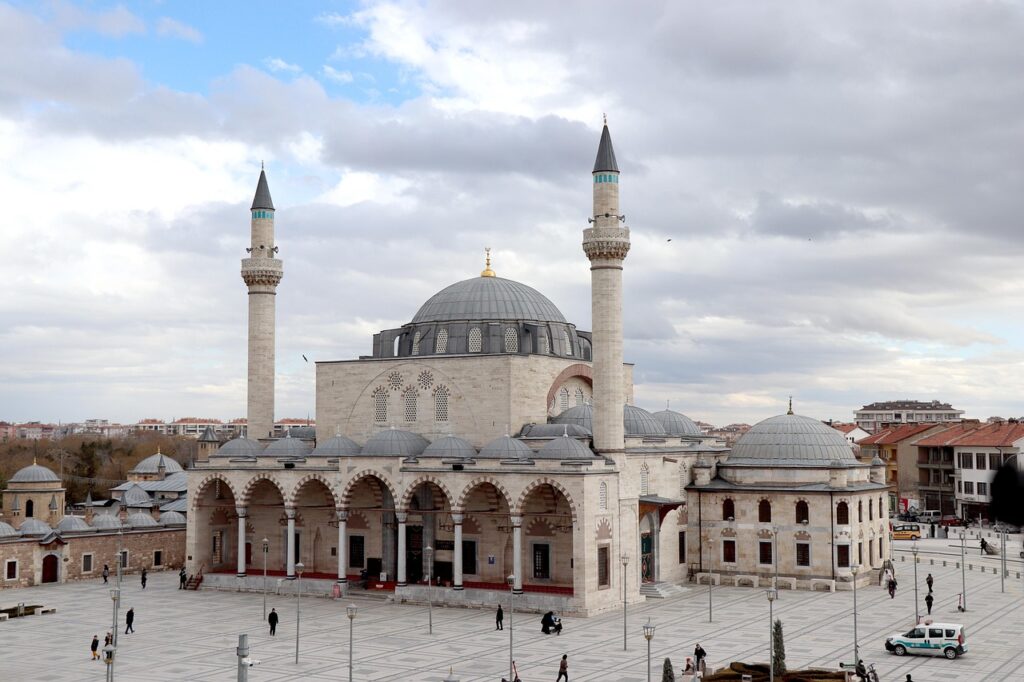
Winter is the best season for the indoor sights, which is convenient because that is where the city’s treasures live. The museums are quiet in January and February, and you may have the Karatay tiles or the Ince Minare carvings almost to yourself.
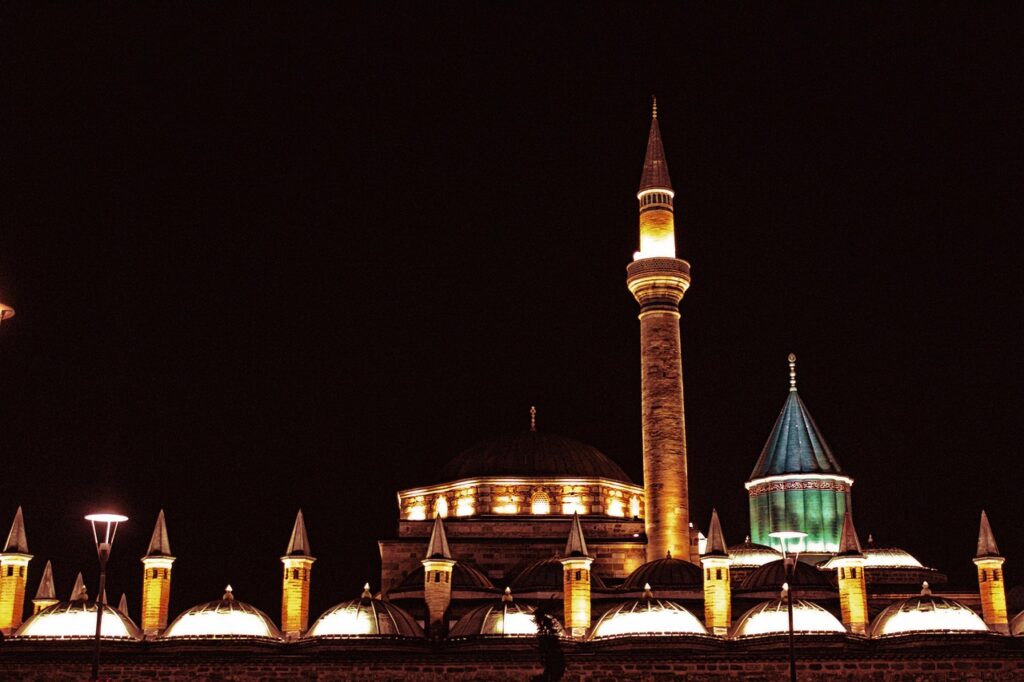
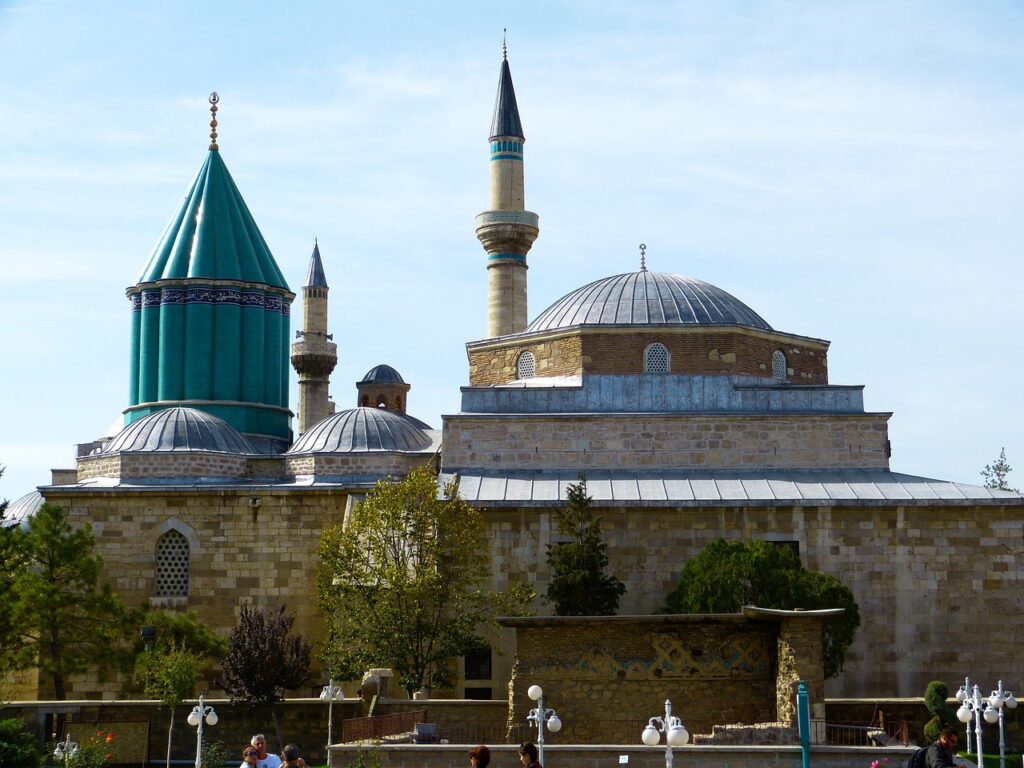
The Mevlana Museum is at its most atmospheric in winter, with the rose garden bare and the dome dusted with snow, and the crowds of summer are a distant memory. The mosque interiors, kept warm against the cold, invite slow visits.
One practical note: the old buildings are not heated to Western standards, and the stone floors are cold. Wear warm layers and good socks, and take breaks in the tea gardens, where the glasses of cay are never far away.
Eating in Winter
Winter is the season when Konya’s kitchen is at its best. The rich, warming dishes of the plain come into their own: firik pilavi, the roasted green wheat pilaf, served with slow-cooked lamb, and tirit, the shredded meat over soaked bread with broth and butter.
The lokantas serve steaming soups every day, from lentil to the meaty variants, and the breakfast spreads are even more welcome when the temperature is below freezing. This is the season for eating like a local, heartily and often.
For sweets, winter favors the hot and syrupy: kunefe, fresh from the oven, and the milk puddings that Turkish cities do so well. Every meal should end with tea, poured dark and strong, and the tea gardens are the warmest rooms in town.
Getting Around in Cold Weather
Konya’s compact center is walkable even in winter, but the cold changes the calculus, and the tram becomes your friend. The tram network covers the old city, the station, and the modern center, and the stops are close to the main sights.
Snow is cleared quickly on the main streets, but side lanes and the hill paths can ice over, so wear boots with grip and take the steps slowly. Taxis are metered and plentiful, and on the coldest days a short ride beats a long walk.
If you are driving, check your route conditions, especially toward the lakes and mountains, where winter closures happen. The plain itself is usually fine, but the high passes demand respect.
What to Pack
Packing for Konya in winter means packing for a cold, dry plateau. Start with thermal layers, a warm sweater or fleece, and a proper winter coat, and add a hat, gloves, and a scarf, which you will wear every day.
Sturdy, waterproof boots with good grip are essential for the snow and ice, and warm socks make a surprising difference in the unheated historic buildings. A thermos is a lovely addition for tea on the move.
A headscarf is worth carrying for mosque visits, as in every season, and sunglasses should not be forgotten: the winter sun on snow is genuinely dazzling. Finally, pack a little less than you think you need; the layers are what keep you warm.
Winter Photography
Winter is arguably the most beautiful season for photographing Konya. The white dome of the Mevlana Museum against snow, the minarets in the low golden light, and the steam rising from the tea gardens all make for memorable images.
The light is soft and directional, with long shadows through the day, and the clear air after snow gives the sharpest views of the Taurus Mountains. The bazaar, warm and crowded, offers rich indoor scenes of color and life.
The festival in December adds the best photo opportunities of all: the dervishes in their white robes, the illuminated streets, and the crowds of pilgrims. Arrive early at the ceremonies, and respect the rules about photography during the sema, which is usually forbidden.
Beyond the Festival: January and February
After the festival crowds go home, Konya settles into its quietest, cheapest season. January and February are the lowest season of the year, with the lowest hotel prices and the emptiest museums, and the city returns to its everyday rhythm.
This is the season for the traveler who wants the real Konya: the tea gardens with the regulars, the bazaar without the bustle, and the unhurried pace of a provincial capital in winter. The cold is honest, but the welcome is warm.
If you can stand the temperatures, this is one of the best-value visits in Turkey, and the silence in the great museums is something you will not find in any other season.

Winter Activities and Comfort
Winter in Konya is a season of small comforts, and the city knows how to provide them. The tea gardens, with their samovars and steam, are the social heart of the season, and the dessert shops, serving kunefe and hot puddings, run full all day.
For a different kind of warmth, the thermal springs of the region, at towns like Ilgin to the west, have drawn bathers since Ottoman times, and a winter soak is a perfect day trip. The contrast between the frozen plain and the warm water is unforgettable.
Indoors, the museums reward slow visits, and the bazaar, crowded and warm, is an activity in itself. Bundle up, move slowly, and let the season set the pace; winter Konya rewards the unhurried traveler.
The Shorter Days: Planning Your Day
Winter days are short in Konya, with darkness falling by the late afternoon, so planning the day matters more than in summer. Start early, when the museums open and the light is at its best, and save the indoor activities for the afternoon, when the cold bites hardest.
The morning is the time for the big sights, the Mevlana Museum above all, when the winter light through the windows is at its most beautiful. Lunch early and well, since the lokantas close by mid-afternoon, and plan the bazaar for the warm middle of the day.
The evening belongs to the tea gardens, the dessert shops, and the festival events if you are here in December. With the days so short, a winter visit is surprisingly efficient: you see the same sights, and the evenings give you permission to slow down.
Winter in the Countryside
The countryside around Konya is transformed by winter, and the day trips take on a different beauty. The Konya Plain under snow is a study in white and gold, with the fields stretching to a horizon that seems to disappear into the weather.
Sille village, with its valley and rock churches, is atmospheric under a dusting of snow, and the roads to the lakes and mountains offer the sharpest mountain views of the year on clear days. Dress for the cold, check the road conditions, and take the thermos.
The plains villages, quieter still in winter, welcome visitors with tea and warmth, and the contrast between the frozen landscape and the glowing interiors is the season’s own magic. Winter is the secret season for countryside travelers who can handle the cold.
Frequently asked questions
Is Konya very cold in winter?
Yes, by most standards. Daytime temperatures hover around freezing in December, January, and February, with nights well below. The cold is dry, which helps, and the museums and tea gardens provide warm refuges throughout the day.
Is the Mevlana Festival worth the winter visit?
For most travelers, yes. The festival in December is the most important Mevlevi event of the year, with sema ceremonies, concerts, and exhibitions, and the city at its most atmospheric. Book accommodation and tickets months in advance.
Do attractions stay open in winter?
Yes. The museums and mosques are open year-round, with the usual closures for prayer times and maintenance. The only seasonal changes are the early closing hours and the quieter crowds, both of which make winter a practical and pleasant time to visit.

All Over Information
The All Over Information editorial team researches and writes practical English-language guides to Turkey. Facts are checked against official and local sources before publication, prices are published as dated ranges rather than quotes, and guides are revised when things change. We accept no sponsored posts, paid placements or paid links.
More guides like this

Nightlife Guide to Konya
Konya does not have a nightlife in the sense that Istanbul or the coastal resorts do, and that is exactly the point.

Shopping Guide: What to Buy in Konya
Shopping in Konya is a journey into the city's identity.

The Best Day Trips from Konya
Konya is a superb base for exploring central Anatolia, and the city itself is only half the story.

Konya Airport and Transport Guide
Getting around Konya is easy, and understanding the transport before you arrive saves time and confusion.

A Foodie’s Guide to Konya
Konya does not market itself as a food city, which is precisely why eating there feels like a discovery.

Family-Friendly Activities in Konya
Konya is a surprisingly good city for families. It is safe, compact, and easy to get around, with wide pedestrian spaces, parks…