Turkey welcomes tens of millions of visitors each year, and the question of how to do that without wearing out the country’s coasts, villages, and cultural treasures has moved to the center of the tourism industry. The response is a spreading network of initiatives: certified eco-hotels, community-based tourism projects, beach awards, heritage restoration, and a growing national certification scheme. This guide introduces the main sustainable tourism efforts in Turkey and shows you how to find and support them on your own travels.
The National Sustainable Tourism Certification
Turkey has introduced a national certification program for sustainable tourism, developed in line with international standards and rolled out across the country’s accommodation and travel businesses. Hotels, tour operators, and agencies that join the scheme commit to measurable practices: reducing energy and water use, managing waste, training staff, and protecting local culture. Certification levels reward businesses that go further, and the program is becoming a trusted mark for travelers.
The certification matters because it gives you a way to identify genuinely committed businesses rather than guessing from marketing language. Certified hotels display their level in their listings and at reception, and the scheme is expanding from major resorts into smaller towns and rural guesthouses. As the program matures, it is reshaping how Turkish tourism thinks about its footprint, with sustainability now a standard topic in hotel management and industry conferences.
Blue Flag Beaches and Marina Awards
The Blue Flag is one of the world’s most recognized eco-labels, and Turkey consistently ranks near the top of the international list, with hundreds of beaches and several marinas flying the flag every summer. The award requires clean water, waste management, safety equipment, and environmental education, verified each year by an independent jury. For beachgoers, a Blue Flag is a simple, reliable signal that the water is clean and the beach is responsibly managed.
The program has pushed tangible improvements along the Turkish coast, from recycling bins on the sand to accessible facilities and lifeguard coverage. Municipalities compete for the flag, and the competition raises standards across neighboring beaches. When you choose a Blue Flag beach, you are rewarding the local authority’s investment in cleanliness and conservation, and supporting the idea that a well-managed beach is better for everyone, visitors and marine life alike.

Ecotourism in the Kackar Mountains
The Kackar Mountains in the northeast have become Turkey’s showcase for mountain ecotourism. Highland villages, known as yaylas, have developed guesthouse networks that let visitors stay in stone houses, eat local food, and trek between green valleys and glacial lakes. Local families host and guide, and the income stays in the community, giving villages an economic reason to protect the alpine pastures and forests rather than sell them to developers.
The model works because it is small-scale and community-owned. Trekking routes are maintained by the villages, horse transport follows traditional paths, and the summer season spreads visitors through July and August. The Kackar experience shows that sustainable tourism does not have to mean wilderness lodges with solar panels, though those exist too. It can simply mean tourism that is local, respectful, and rooted in the place, which is the heart of the sustainable approach.
Cappadocia’s Balancing Act
Cappadocia faces one of the most delicate balancing acts in Turkish tourism. Its fairy chimneys, cave dwellings, and underground cities are irreplaceable, and the region receives millions of visitors a year, along with hundreds of hot-air balloon flights on peak mornings. The response has been a mix of visitor management and conservation: some fragile valleys are now restricted to guided walks, cave churches are protected with controlled access, and new building is regulated to preserve the skyline.
The region’s cave hotels show the sustainable potential of heritage tourism. Converting ancient dwellings into boutique accommodation gives historic structures a new life and a reason for maintenance, and many hoteliers invest in local crafts, food, and staff. The challenge is scale: too many visitors, cars, and flights can erode the very landscape people come to see. Cappadocia is therefore a test case for how Turkey manages success sustainably.

Community-Based Tourism Projects
Across Turkey, community-based tourism projects are giving villages a direct stake in hospitality. In the Aegean, mountain villages such as Birgi and Sirince offer guided walks, cooking classes, and family stays run by local cooperatives. In the southeast, villages near historical sites host visitors in restored stone houses, sharing food and crafts. These projects are often supported by regional development agencies and NGOs that train villagers in hosting and marketing.
The benefits run both ways. Visitors get authentic experiences that packaged tours cannot offer, and communities earn income that makes conservation and tradition worth preserving. The model also distributes tourism away from overcrowded hotspots into areas that need the economic boost. If you want to travel sustainably in Turkey, seeking out community-run guesthouses, cooperatives, and village markets is one of the most direct ways to put your spending to work.
Heritage and Restoration Programs
Sustainable tourism is not only about nature; it is also about the built heritage that makes Turkey unique. Restoration programs have saved countless monuments, from Ottoman mansions in Safranbolu to Greek- and Armenian-era houses in historic neighborhoods of Istanbul and Izmir. Many restored buildings now operate as hotels, museums, or cultural centers, generating the income that pays for their upkeep. This virtuous circle is one of the quiet successes of Turkish heritage management.
In some cases, restoration is linked directly to tourism revenue, with admission fees and hotel profits funding further conservation. Archaeological sites are increasingly managed with visitor pressure in mind, from raised walkways at sensitive ruins to timed entry at crowded churches and underground cities. The message to travelers is simple: entrance fees are not a tax but an investment in keeping the site alive, and paying them supports the whole system.

Waste Reduction and Plastic-Free Efforts
Turkey’s tourism industry has taken on the plastic problem with visible results. Many hotels have eliminated single-use plastics, from straws and bottles to toiletries, replacing them with refillable dispensers and filtered water stations. Beach municipalities have installed recycling points and water fountains, and a growing number of tour boats carry their waste ashore instead of dumping it. The national zero-waste movement, launched in the public sector, has spread into tourism businesses.
Coastal cleanups are now routine, organized by municipalities, NGOs, and dive clubs, and they attract volunteers from the travel industry. Some regions have piloted deposit schemes for bottles and bags, and eco-friendly alternatives are increasingly available in tourist shops. The progress is uneven, and plastic packaging still abounds in rural areas, but the direction is clear. Travelers who carry refillable bottles and refuse single-use plastics reinforce the demand for change.
Sustainable Food and Local Produce
Food tourism is a surprisingly powerful force for sustainability in Turkey. The slow-food movement has taken root, with local products such as saffron from Safranbolu, olive oil from the Aegean, and honey from the highlands earning protected status and premium prices. Farm restaurants and village breakfasts connect travelers directly with producers, and organic farming is growing in the regions that cater to food-minded visitors.
This focus on local food shortens supply chains, keeps farmland in cultivation, and preserves traditional varieties and methods that industrial agriculture would erase. It also spreads tourism income to rural households. When you eat at a village restaurant, buy cheese and honey at a farm gate, or choose a menu that names its local suppliers, you are participating in a food economy that sustains both the landscape and the people who work it.
Green Transport Options
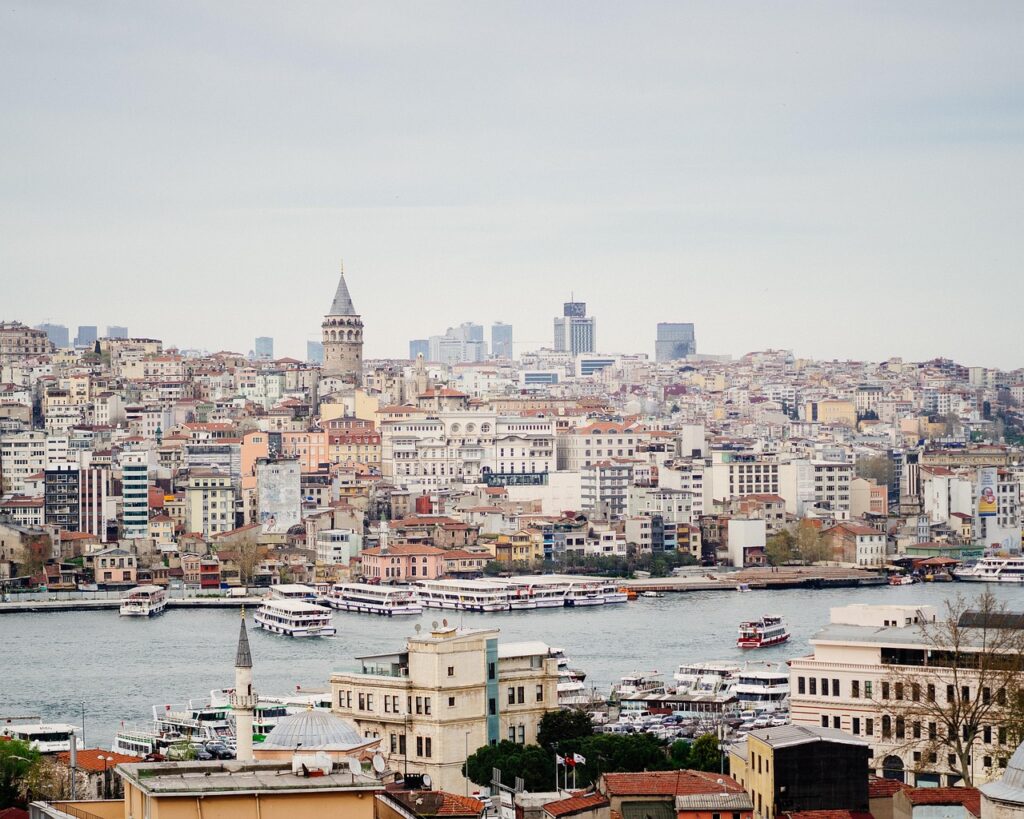
Getting around Turkey sustainably is becoming easier. Intercity buses, which dominate domestic travel, are relatively efficient and vastly better per passenger than private cars. High-speed rail links Istanbul, Ankara, and Konya, and new lines are extending the network. Within cities, ferries, trams, and metro systems move millions of people daily, and Istanbul’s ferry fleet is one of the most pleasant and green ways to cross the Bosphorus.
For the final legs of a journey, electric scooters and bikes are now common in major cities and resorts, and several coastal towns have developed cycle paths. Car-free days are held in some historic centers, and pedestrian zones have expanded in places like Antalya’s old town. The message from the industry is that the journey matters as much as the destination, and choosing trains, ferries, and walking tours over short-hop flights and private cars is one of the biggest sustainability decisions you can make.
How Travelers Can Participate
Sustainable tourism ultimately depends on the choices you make every day of a trip. Book certified accommodation, prefer small locally owned hotels and guesthouses, and use licensed guides who know and respect the places they show you. Carry a refillable bottle, say no to single-use plastics, and leave no trace on trails and beaches. Pay park and site fees, buy from artisans and farmers, and tip and review businesses that visibly invest in their communities.
Equally important is what you choose not to do: do not ride wild animals, buy products made from endangered species, or remove stones, shells, or artifacts from sites. Respect photography rules and dress codes at religious and cultural monuments. Sustainable travel in Turkey is not a special category of trip; it is an attitude layered onto any itinerary. Adopted by millions of visitors, it is the single most powerful force for keeping Turkey beautiful, authentic, and welcoming for decades to come.
Frequently asked questions
What is the Blue Flag and does Turkey have many Blue Flag beaches?
The Blue Flag is an international award given to beaches and marinas that meet strict standards for water quality, safety, waste management, and environmental education. Turkey consistently ranks among the top countries in the world for Blue Flags, with several hundred awarded beaches along its Aegean and Mediterranean coasts. When you see the flag flying, you know the beach is clean, safe, and responsibly managed.
Are eco-certified hotels easy to find in Turkey?
They are becoming much easier to find. Turkey’s national sustainable tourism certification program is expanding rapidly across hotels, resorts, and tour operators, and certified businesses display their level in listings and at reception. International eco-labels also appear at Turkish hotels. For the broadest choice, look in the Aegean and Mediterranean regions, though certified options are growing in Cappadocia and the Black Sea highlands as well.
How can I travel more sustainably in Turkey?
Start with the basics: choose certified accommodation, carry a refillable bottle, refuse single-use plastics, and stay on marked trails. Prefer buses, trains, and ferries over short flights, hire local guides, and eat at village restaurants that buy from local farmers. Pay park and site fees, buy directly from artisans, and join a beach cleanup if the opportunity arises. Small consistent choices by every visitor are what make sustainable tourism work.

All Over Information
The All Over Information editorial team researches and writes practical English-language guides to Turkey. Facts are checked against official and local sources before publication, prices are published as dated ranges rather than quotes, and guides are revised when things change. We accept no sponsored posts, paid placements or paid links.
More guides like this

Hot Air Ballooning over Cappadocia: What to Expect
Flying over Cappadocia in a hot air balloon is one of the world's great travel experiences, and it is the reason thousands…
Exploring Yedigoller National Park: A Complete Guide
In the forested mountains of Bolu province, about halfway between Istanbul and Ankara, lies one of Turkey's most beautiful and most visited…

Beysehir Lake: Turkey’s Natural Wonder
Beysehir Lake is a natural wonder in the truest sense: a vast inland freshwater sea that most visitors to Turkey never even…

Best Hiking Trails Around Beysehir Lake
The shores of Beysehir Lake are some of the finest walking country in central Turkey, and hikers here find a rare combination:…

The Goksu Delta Wetlands: Turkey’s Natural Wonder
The Goksu Delta is a natural wonder that most travelers to Turkey never see, and that is precisely what makes it so…

Best Hiking Trails Around the Kackar Mountains
The Kackar Mountains are the trekking capital of Turkey, a range of peaks, lakes, and high pastures crossed by some of the…