Turkey is a country of extraordinary natural wealth, from Mediterranean beaches and Black Sea forests to highland lakes and vast wetlands, and protecting that wealth has become a national priority. The conservation story here is a mix of genuine progress and real challenges: new national parks, restored wetlands, endangered species programs, and ambitious climate goals alongside persistent pressures from development and industry. This article surveys the main efforts underway so you can understand the landscape of Turkish conservation, and where your choices as a traveler fit in.
The National Parks System
Turkey’s national parks network began in 1958 and has grown steadily to include dozens of parks spread across every region. Some, like the Goreme National Park in Cappadocia, protect landscapes so unusual they are recognized as world heritage sites. Others, like the Kackar Mountains park in the northeast, guard alpine wilderness that would otherwise face logging and grazing pressure. Together, the parks safeguard a remarkable range of habitats.
The parks serve a double purpose: conservation and recreation. Trails, visitor centers, and camping areas are developed to let people experience nature without destroying it, and entrance fees support upkeep. Rangers patrol against illegal hunting, logging, and construction, though enforcement varies with resources. For travelers, the parks are both the reason to explore Turkey’s wild side and the clearest example of the country investing in its natural heritage.
Wetlands and Bird Sanctuaries
Turkey sits on two major bird migration routes, making its wetlands crucial rest stops for millions of birds each spring and autumn. The country has declared numerous wetland protection zones, and several hold international status under the Ramsar Convention. Lake Manyas near the Marmara coast, Lake Kus on the Aegean, and the vast delta of the Goksu River all host herons, pelicans, flamingos, and countless migrating waterfowl.
These wetlands face constant pressure from drainage, agriculture, and water extraction, and their protection is a balancing act between farming communities and conservationists. Restoration projects have brought water back to dried-out marshes, and bird counts show recovering populations at several sites. For birdwatchers, Turkey is one of Europe’s most rewarding destinations, and the protected wetlands are where the action happens, especially during migration months.
Forest Protection and Restoration
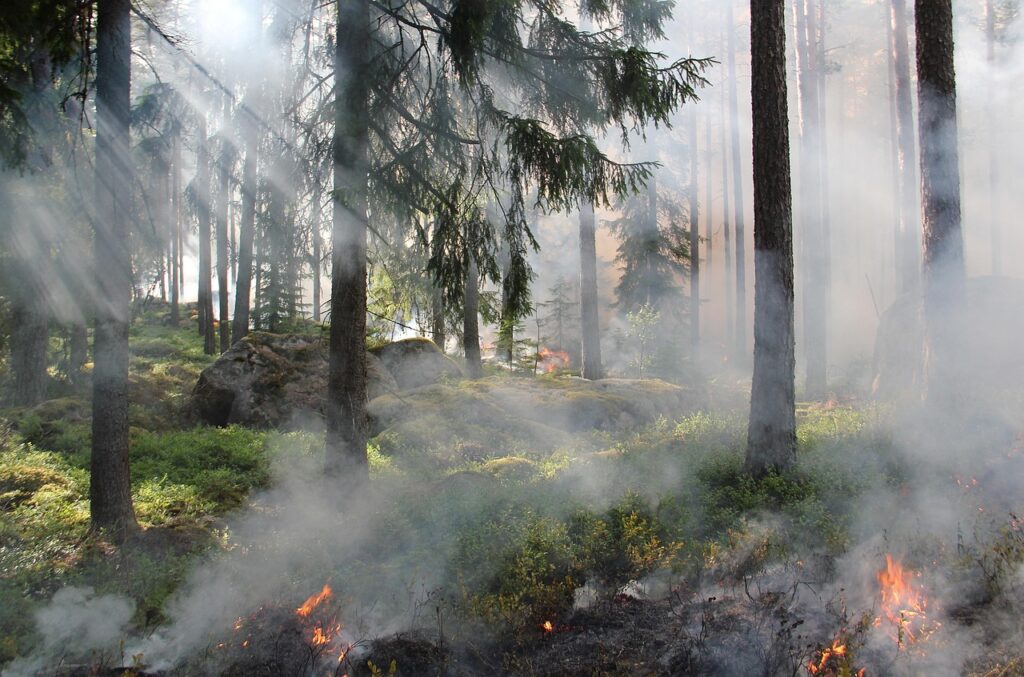
Forests cover roughly a quarter of Turkey, from the oak and pine woodlands of the interior to the temperate rainforests of the Black Sea coast. The General Directorate of Forestry manages these lands through a combination of planting, fire prevention, and sustainable harvesting. Each year brings large-scale tree-planting campaigns, and wildfire response has improved with new aircraft and rapid-response teams, though summer fires remain a serious threat.
The Black Sea region deserves special attention, holding some of the oldest and most diverse forests in the country, including beech, chestnut, and spruce stands that shelter wolves, bears, and wild boar. Protected forest areas there are expanding, and eco-tourism trails now bring visitors into the highlands without clear-cutting. The challenge ahead is balancing timber revenue and tourism growth against the need to keep the forest intact for the next generation.
Marine Conservation and Protected Seas
Turkey’s seas have faced heavy pressure from shipping, fishing, and pollution, and marine conservation is a growing priority. A network of marine protected areas now covers part of the coastline, with special zones around the Gokova Bay, the Datca peninsula, and the islands of the Aegean. Fishing regulations, including size limits and seasonal bans, aim to let depleted stocks recover, and sea turtle conservation is one of the most visible success stories.
Every summer, volunteers and scientists guard the nesting beaches of loggerhead and green turtles along the Mediterranean coast, from Iztuzu Beach near Dalyan to Patara and Belek. Hatchlings are counted, nests are protected from predators and lights, and tourism is managed around the breeding season. The program has drawn international attention and shows how conservation and tourism can coexist when the rules are respected and enforced.

Endangered Species Programs
Turkey is home to several species found nowhere else on Earth, and dedicated programs work to keep them alive. The northern bald ibis, once nearly extinct in the wild, is bred in captivity in the southeast and released into protected cliffs. The Anatolian leopard, long thought extinct in the country, has been photographed again in recent years, spurring new habitat studies. The sea turtles of the Mediterranean remain the flagship of public conservation awareness.
Mammal populations tell a more complicated story. Wolves, bears, and lynx still roam the mountains, and the wild goat and mouflon populations are managed through hunting quotas that fund conservation. The endangered species picture is monitored by universities and NGOs, and public interest has grown steadily. For travelers, wildlife watching is an emerging industry, from bear-watching hides in the Kackar highlands to dolphin-watching boats in the Aegean.
Protected Areas and International Agreements
Turkey has signed the major international conservation treaties, including the Ramsar Convention on wetlands, the Barcelona Convention on Mediterranean pollution, and the Convention on Biological Diversity. Under these agreements, the country reports on protected-area coverage and biodiversity trends, and international pressure helps keep conservation on the political agenda. The share of land under some form of protection has risen steadily over recent decades.
The country also participates in regional programs such as the Mediterranean Action Plan and the Black Sea Commission, which coordinate pollution control and marine protection across borders. Internationally funded projects have restored wetlands, reintroduced species, and trained rangers. These agreements do not guarantee perfect enforcement, but they create measurable commitments and a framework for holding progress to account, and they connect Turkey’s efforts to the wider regional picture.

Pollution Control and Waste Management
Waste and pollution are among the most visible environmental problems in Turkey, and the response has accelerated in recent years. Wastewater treatment plants now serve most major cities, and the Marmara Sea, badly polluted for decades, has seen measurable improvement. Single-use plastic bags are charged at supermarkets to discourage their use, and recycling programs operate in the main urban centers, though coverage remains uneven across the country.
Industrial regulation is tightening too, with emission limits for factories and power plants, and coal plants face increasing scrutiny over air quality. The government’s zero-waste initiative, launched with much fanfare, aims to improve recycling rates and reduce landfill, with schools and public buildings required to participate. For travelers, the practical impact is simple: bring a refillable bottle, avoid single-use plastics, and use the recycling bins you find, since every bit of effort supports the system.
Climate Commitments and Energy Transition
Turkey has committed to the Paris Agreement and set a target of reaching net zero emissions by the middle of the century. The energy transition is the centerpiece: solar and wind capacity have grown rapidly, geothermal power makes Turkey a world leader in that field, and hydropower supplies a large share of electricity. The country’s geography gives it extraordinary renewable potential, from the windy Aegean coast to the sun-drenched southeast.
Coal still plays a significant role in the energy mix, and fossil fuel subsidies remain a point of contention, but the direction of travel is clear. Electric vehicle adoption is rising, and charging networks are expanding across the main highways. The climate commitments matter beyond the energy sector, because hotter, drier summers threaten agriculture, tourism, and water supplies. For travelers, the transition is visible in the wind farms on Aegean ridges and the solar panels on rural rooftops.

Community and Grassroots Conservation
Some of the most effective conservation in Turkey happens at the local level. Villages around protected wetlands manage birdwatching tourism cooperatively, earning income from guiding and guesthouses instead of draining the marsh. Farmers in the Aegean have revived traditional olive and fig cultivation, which keeps terraced landscapes alive. Coastal communities organize beach cleanups and guard turtle nests through the summer.
Grassroots groups and NGOs also play a watchdog role, documenting illegal construction, poaching, and pollution, and pushing for enforcement. Their successes include blocking dams on protected rivers and securing legal status for threatened habitats. International volunteers join many of these efforts, from sea turtle monitoring to reforestation camps. If you want to contribute during your travels, look for established conservation organizations offering volunteer days, and support businesses that visibly reinvest in the local environment.
Challenges and the Road Ahead
Turkish conservation faces genuine headwinds. Rapid urban growth, infrastructure projects, and industrial expansion put constant pressure on land and water, and enforcement of environmental law is inconsistent across regions. Water scarcity is the issue to watch: rising temperatures and falling rainfall strain agriculture, wetlands, and reservoirs, and the competition for water will shape the country’s environmental future. Climate change is already amplifying every other challenge on the list.
Yet the picture is not bleak. Protected areas have grown, endangered species programs show results, the renewable energy boom is real, and public environmental awareness has never been higher. Young people in particular are driving change, from zero-waste campaigns to climate strikes. The conservation story in Turkey is a work in progress, full of tension but also momentum. Every traveler who visits responsibly, chooses sustainable options, and respects protected areas becomes a small part of that progress.
Frequently asked questions
How many national parks does Turkey have?
Turkey has more than forty national parks, plus dozens of nature parks, nature reserves, and protected areas at other levels. Together, protected areas cover a small but growing share of the country’s land. The parks range from Cappadocia’s volcanic landscape to the alpine Kackar Mountains, and most have visitor facilities such as trails, campsites, and information centers.
Can tourists visit protected areas and see wildlife?
Yes. Many protected areas are open to visitors, with designated trails, observation points, and guided tours. Sea turtle nesting beaches can be visited in summer with trained guides, wetlands host birdwatching hides, and national parks offer hiking and camping. The key is to follow the rules, stay on marked paths, and keep your distance from wildlife, so that tourism continues to support rather than harm the habitats.
How can travelers support conservation in Turkey?
You can support conservation by choosing eco-certified accommodation and tour operators, avoiding single-use plastics, and joining organized beach or trail cleanups. Pay park entrance fees, hire local guides, and buy from local producers, since that income gives communities a reason to protect nature. Respect wildlife, stay on marked trails, and follow the rules at nesting beaches. Small, consistent choices by millions of travelers add up to real protection.

All Over Information
The All Over Information editorial team researches and writes practical English-language guides to Turkey. Facts are checked against official and local sources before publication, prices are published as dated ranges rather than quotes, and guides are revised when things change. We accept no sponsored posts, paid placements or paid links.
More guides like this
Best Hiking Trails Around Uzungol Lake
Uzungol is famous for its beauty, but the best way to know it is on foot.

How to Visit Aladaglar National Park: Practical Tips
Aladaglar National Park is one of Turkey's most spectacular mountain destinations, but it is also one of the most demanding to visit…

Aladaglar National Park: Turkey’s Natural Wonder
Aladaglar National Park is one of Turkey's greatest natural wonders, a wilderness of granite peaks, glacier-carved valleys, and cold mountain lakes in…

Turkey’s Best Beaches Ranked
Turkey has more than eight thousand kilometers of coastline, and its beaches range from the world-famous to the secret coves that only…

The Kure Mountains National Park: Turkey’s Natural Wonder
In the far north of Turkey, where the Black Sea ranges rise behind the coast, the Kure Mountains hold one of the…

Paragliding in Oludeniz: A Complete Guide
Oludeniz is one of the most famous paragliding sites in the world, and the view from its launch point is the reason.