How the Ottoman Tile and Ceramic Tradition Shaped Turkish Identity
You cannot travel far in Turkey without noticing that tiles keep appearing. They cover the walls of imperial mosques, decorate tea houses, and fill museum galleries.
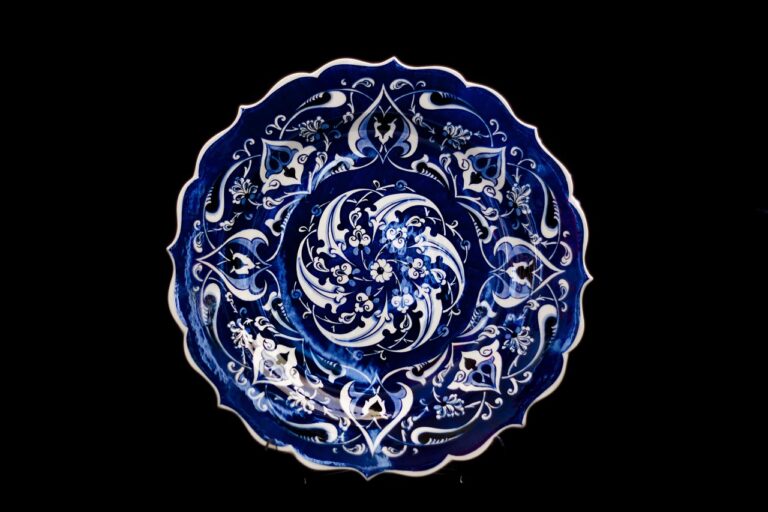
You cannot travel far in Turkey without noticing that tiles keep appearing. They cover the walls of imperial mosques, decorate tea houses, and fill museum galleries.

Turkey looks out on four seas, and the story of how it learned to command them is one of the foundations of its national identity.

The Crusader era left Turkey a complicated inheritance. For two centuries, European armies crossed Anatolia on their way to the Holy Land, and the peninsula became a front line of one of history’s great clashes.

Alexander the Great passed through the land that is now Turkey for only a few years, yet his shadow has never lifted.

The most famous war in world literature was fought on Turkish soil. For three thousand years, the story of Troy has been told and retold, and for most of that time the city itself was a myth, a name in a poem.

There are dates that define a nation, and for Turkey, May 29, 1453 is one of them.

When you see a tulip in Turkey, you are looking at more than a flower. You are looking at a national emblem with a story that reaches back through three centuries of Ottoman history.

If you have ever paid for something with a coin, you are already connected to one of the oldest stories of Anatolia.

A nation’s identity includes the past it chooses to remember, and central Anatolia remembers the Phrygians.
Every country builds its identity partly from the past it claims, and Turkey claims a deep one.

The identity of a land is made of all its peoples, and Anatolia’s identity carries a deep Armenian layer.

To understand what it means to be Turkish, you have to understand what it meant to live at the crossroads of the world.
We use cookies
Necessary cookies keep this site working. With your permission we also use cookies for analytics and advertising, which is how the site is funded. You can change your mind at any time. Cookie policy · Privacy policy