Ask a Turk about the national cuisine, and you will get a gentle correction: there is no single Turkish food, but seven regional kitchens, each with its own climate, its own ingredients, and its own pride. The olive-oil cooking of the Aegean shares little with the butter-rich cooking of the Black Sea, and the kebab of the southeast is a world away from the fish of Istanbul. This guide maps the regional cuisines of Turkey so you can eat your way across the country intelligently.
The Geography of the Turkish Table
The regional cuisines of Turkey are the product of geography. The country spans several climates, from the coasts to the high plateau, from the rainy Black Sea mountains to the hot southeastern plains. Each region grows what its climate allows, and each region cooks what it grows.
The sea shapes the coasts, the pasture shapes the interior, and the soil shapes the gardens of each region. The result is a cuisine of extraordinary variety, held together by common elements: the bread, the yogurt, the olive oil of the west, the butter of the east, and the tea that is drunk everywhere.
For the traveler, the regional variety is a gift. Every city you visit has its own specialties, its own market, and its own table, and eating regionally is the best way to understand the country. This guide gives you the map of the Turkish kitchen.
The Aegean: Olive Oil and the Garden
The Aegean region is the garden of Turkish cuisine, and its cooking is built on olive oil, vegetables, and the sea. The zeytinyağlı dishes, the vegetables cooked in olive oil and served cold, are the specialty of the region, and they are eaten with the seasons, from the spring artichokes to the summer beans.
The Aegean breakfast is a legend: the spread of cheeses, olives, jams, honey, and eggs that fills the table for an hour. The herbs of the hillsides, the thyme, the oregano, and the sage, season the cooking, and the wild greens of the spring are gathered and cooked with olive oil and lemon.
The coast gives the region its fish, and the towns of the Aegean cook the catch of the day with simplicity. The wine of the region, from the ancient vineyards of the coast, completes the table. The Aegean cooking is light, seasonal, and rooted in the Mediterranean.
The Marmara: The Capital’s Fusion
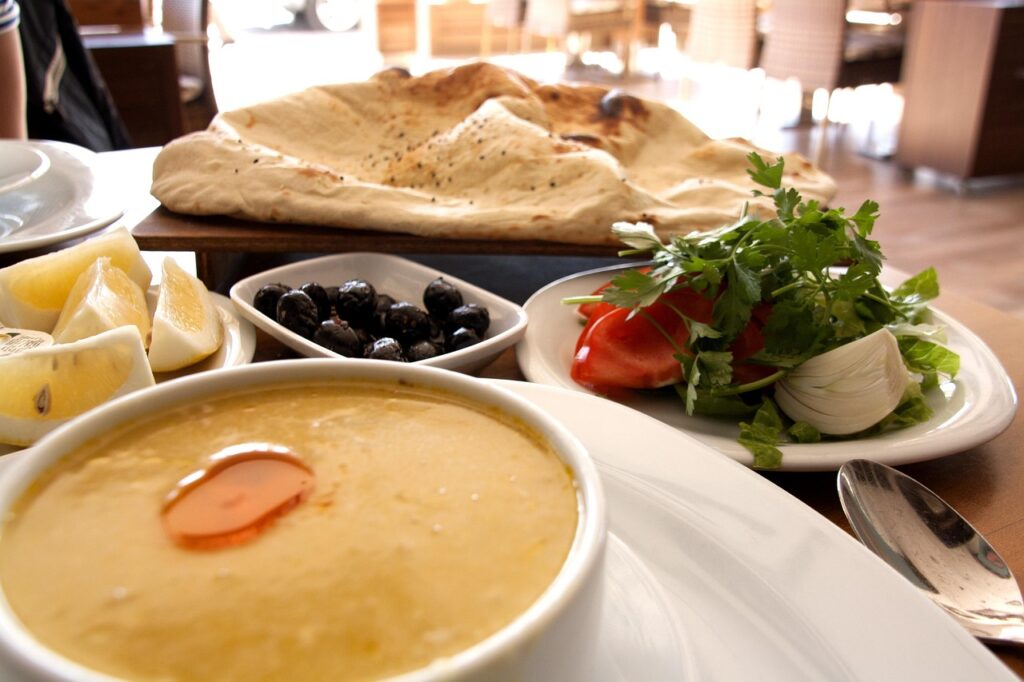
The Marmara region, around Istanbul and Bursa, is the historical crossroads of the cuisine, where the palace cooking of the Ottoman kitchen met the food of the empire’s provinces. The result is the most sophisticated and the most varied cooking in Turkey.
Istanbul is the city of the meyhane, the tavern, where the meze spread is the heart of the meal, and of the street food that has no equal: the fish sandwich, the simit, the lahmacun, and the kumpir. The city eats all of Turkey, and the restaurants of Istanbul serve every regional kitchen.
Bursa, the first Ottoman capital, contributes the iskender kebab, the döner of the region, and the chestnut sweets of the mountains. The Marmara cooking is the imperial heritage, and the traveler who eats in Istanbul and Bursa tastes the history of the empire on the plate.
The Mediterranean: The Fruit Coast
The Mediterranean coast of Turkey, from Antalya to the Hatay, is the region of the citrus, the banana, and the long warm season. The cooking of the coast is built on the fresh vegetables of the long summer, the fish of the deep blue sea, and the fruit that ripens all year.
The region has its own traditions: the piyaz of Antalya, a white bean salad with tahini, the seafood of the coast, and the cooking of the Hatay, which shares the kitchen of the Middle East with its kibbeh, its spicy kebabs, and its olive-oil dishes. The Hatay is famous throughout Turkey for the depth of its table.
The coast is also the region of the fresh fruit: the oranges and the lemons, the bananas of Anamur, and the strawberries of the coast. The Mediterranean cooking is fresh, sunny, and generous, and the region is the winter garden of the country.
The Interior: The Plateau of the Kebab
The central plateau of Anatolia is the region of the wheat, the lamb, and the kebab. The cooking of the interior is built on the grill, the dough, and the yogurt, and the cities of the plateau each have their famous dishes. The kebab of the region is a craft, and the grill masters of the interior are legendary.
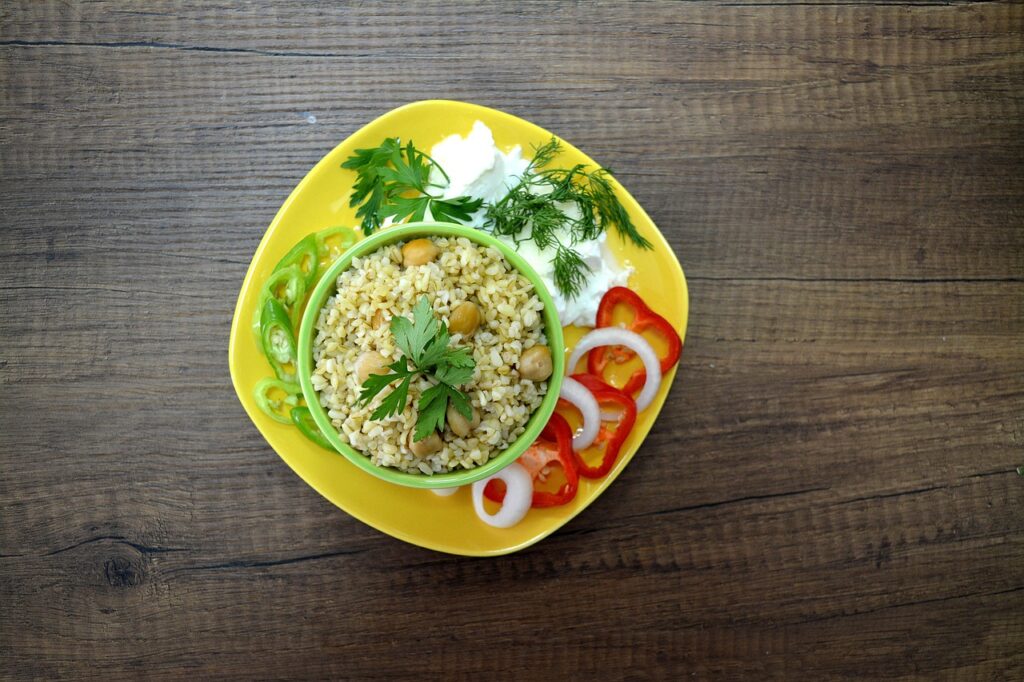
The mantı, the little dumplings of the interior, are the national dish of the plateau, and the bulgur, the cracked wheat, is the daily grain. The börek, the filled pastries, come in their many forms, and the soups of the interior are the comfort food of the cold winters.
The region is also the land of the great breads: the pide of the plateau, baked in the stone ovens, and the flatbreads of the countryside. The interior cooking is honest, hearty, and satisfying, and it is the cooking that most visitors think of as the Turkish kitchen.
The Black Sea: Butter and the Hamsi
The Black Sea region cooks with butter, corn, and the anchovy, and its cuisine is the most distinctive in Turkey. The mountains are green and rainy, and the cooking of the region is built on the products of the sea and the high pastures: the hamsi, the anchovy, is the king of the Black Sea table.
The region eats corn where the rest of the country eats wheat: the cornbread, the cornmeal porridge, and the corn flour of the kuymak, the cheese and cornmeal dish of the coast. The cabbage of the region is stuffed and pickled, and the hazelnuts of the coast go into the sweets and the cooking.
The highlands add the honey, the cheese, and the trout of the mountain streams, and the tea of the region, grown on the coastal slopes, is the drink of the whole country. The Black Sea cooking is the great discovery of the traveler who leaves the main routes.

The Southeast: The Spice Route Kitchen
The southeastern region of Turkey, around Gaziantep and Şanlıurfa, is the most celebrated kitchen in the country, and its cooking is built on the kebab, the spice, and the sweetness. The kebab of the southeast is the finest in Turkey, grilled over the wood and served with the flatbread and the salad.
The region is the home of the baklava, the pistachio, and the sweet pastries of the Turkish table, and Gaziantep is the city of the baklava makers. The region also contributes the lahmacun, the stuffed vegetables, and the soups of the Lentil, and the cooking of the region is shared with the Arab world across the border.
The southeast is the land of the meze and the kebab, and the table of the region is the most generous in Turkey. The food is spicy, rich, and festive, and the traveler who eats in Gaziantep is eating in the culinary capital of the country.
The East: The Mountains and the Pastures
The eastern region of Turkey, from Erzurum to Van, is the land of the high pastures, the cold winters, and the cooking of the mountain people. The region is famous for its dairy: the butter, the cheese, and the yogurt of the highlands are the best in Turkey, and the breakfast of the east is a legend.
The cooking of the east is built on the meat of the pastures, the honey of the highlands, and the grains of the valleys. The cağ kebab of Erzurum, the grilled meat of the region, and the kaymak, the clotted cream, of the breakfast table are the specialties of the east.
The region also contributes the apricot of Malatya and the honey of the highlands, and its cooking is hearty, honest, and built for the cold. The traveler who eats in the east eats the cooking of the mountains.

The Common Threads of the Table
Despite the regional variety, the Turkish table is held together by common threads. The bread is everywhere, baked fresh through the day, and the yogurt is the daily accompaniment. The tea is drunk from the small glasses from morning to night, and the hospitality is the same in every region.
The common dishes cross all the regions: the döner and the kebab, the börek and the pide, the stuffed vegetables and the soups. The national table is the sum of the regional tables, and the traveler who eats across the country will recognize the family resemblance.
The seasons, too, are common: the markets of every region follow the same calendar, and the preserves of the autumn, the pastes, the pickles, and the dried fruits, are made in every kitchen. The Turkish table is one table, set with the produce of seven kitchens.
Eating Regionally as a Traveler
To eat regionally as a traveler, follow the market and the local habits. Eat the breakfast of the region, order the specialty of the city, and let the market set the menu. The regional dish is the honest dish, and the honest dish is the best dish on the table.
The regional pride is real, and the travelers who shows interest will be rewarded. Ask about the local specialties, taste what is offered, and let the conversation of the table teach you the region. The Turkish meal is a social event, and the traveler who eats with the locals eats the best.
Finally, plan your eating across the country. Eat the fish in Istanbul, the olive oil dishes in the Aegean, the kebab in the southeast, and the dairy in the east. The region by region tour of the Turkish table is the finest way to know the country, and the traveler who eats across Turkey comes home with the deepest memories of the trip.
Frequently asked questions
Which region has the best food in Turkey?
The southeast, especially Gaziantep, is the most celebrated kitchen, famous for its kebabs and its baklava. The Aegean is the finest for the olive-oil dishes and the breakfast, and the Black Sea is the most distinctive with its anchovy and corn cooking. Each region has its champions, and the arguments are friendly.
What is the most famous regional dish?
The kebab is the most famous, and it comes in many regional forms: the adana kebab of the south, the iskender of Bursa, the cağ kebab of Erzurum. The baklava of Gaziantep, the mantı of the interior, and the anchovy dishes of the Black Sea are the other national legends.
How can I taste many regional cuisines in one trip?
Eat at the specialty restaurants and the lokantas of each city, and follow the market. In Istanbul, the restaurants serve every regional kitchen, and a meze table can sample the whole country. But the deepest experience is to travel the regions themselves, eating each kitchen in its home.

All Over Information
The All Over Information editorial team researches and writes practical English-language guides to Turkey. Facts are checked against official and local sources before publication, prices are published as dated ranges rather than quotes, and guides are revised when things change. We accept no sponsored posts, paid placements or paid links.
More guides like this

The History Behind Lahmacun
Lahmacun is a dish with a name that speaks of distant origins. The word comes from the Arabic for dough and meat,…

The Role of Bread in Turkish Meals
Bread is the quiet center of the Turkish meal. It arrives before the food, stays through every course, and is still on…
Sutlac (Rice Pudding) Vs. International Variations: What Makes It Turkish
Rice pudding is one of the most widespread desserts on earth, made in some form by nearly every culture that grows rice.
How Turkish Tea Culture Differs from British Tea Culture
Tea means something different in Turkey than it does in Britain, even though both nations are famous for their devotion to the…

How to Make Authentic Adana Kebab at Home
Adana kebab looks simple, a skewer of seasoned minced meat over charcoal, but the gap between the real thing and a homemade…

Where to Find the Best Testi Kebab (Pottery Kebab) in Turkey
Testi kebab is a dish with a clear address: central Anatolia, and above all the pottery country of Cappadocia. But the sealed…