Diyarbakir makes an excellent base for exploring the wider southeast, a region packed with historic towns, dramatic landscapes, and sites that see a fraction of the visitors they deserve. Within a two-hour radius of the city you can find a city of golden stone, a castle on a cliff, an ancient gorge, and the remains of civilizations that predate the walls themselves.
Most day trips work best with a shared taxi, a local minibus, or a hired driver, and several are reachable by public transport with patience. This guide covers the best destinations and how to make them work from Diyarbakir.
Planning Day Trips from Diyarbakir
The first rule of day-tripping from Diyarbakir is to start early. The southeast is hot in summer, and the distances are longer than they look on the map, so an early departure gives you the morning light at the site and the afternoon for the road. Breakfast in Diyarbakir, then go.
Transport options vary by destination. The closest towns are served by minibuses from the city’s main station, while the more distant sites are easier with a shared taxi or a hired car and driver. The guesthouses of the old city are good places to find travel companions for sharing costs.
Check the practical details the day before: road conditions, opening hours, and the current security situation, which varies across the region. The tourism office in Diyarbakir is helpful, and the local drivers know the region intimately.
Mardin: The City on the Hill
Mardin is the most famous day trip from Diyarbakir, and it is a stunner. The old town climbs a steep hillside overlooking the Mesopotamian plain, its golden stone houses stacked in terraces, with the minarets and churches of a town that has been a crossroads of religions for centuries. The view from the top is one of the great panoramas of the region.
The old town is a walker’s pleasure: narrow lanes, carved stone facades, and the famous madrasas and mosques with their filigree stonework. The Mardin Museum and the hilltop sites are the main stops, and the terrace restaurants serve the local cuisine with the plain spread out far below.
From Diyarbakir, Mardin is roughly an hour and a half by road. Go early to beat the heat and the tour groups, and save the afternoon for the old town’s lanes. A full day in Mardin is enough for the essentials, though the town tempts visitors to linger.
Hasankeyf and the Tigris Gorge
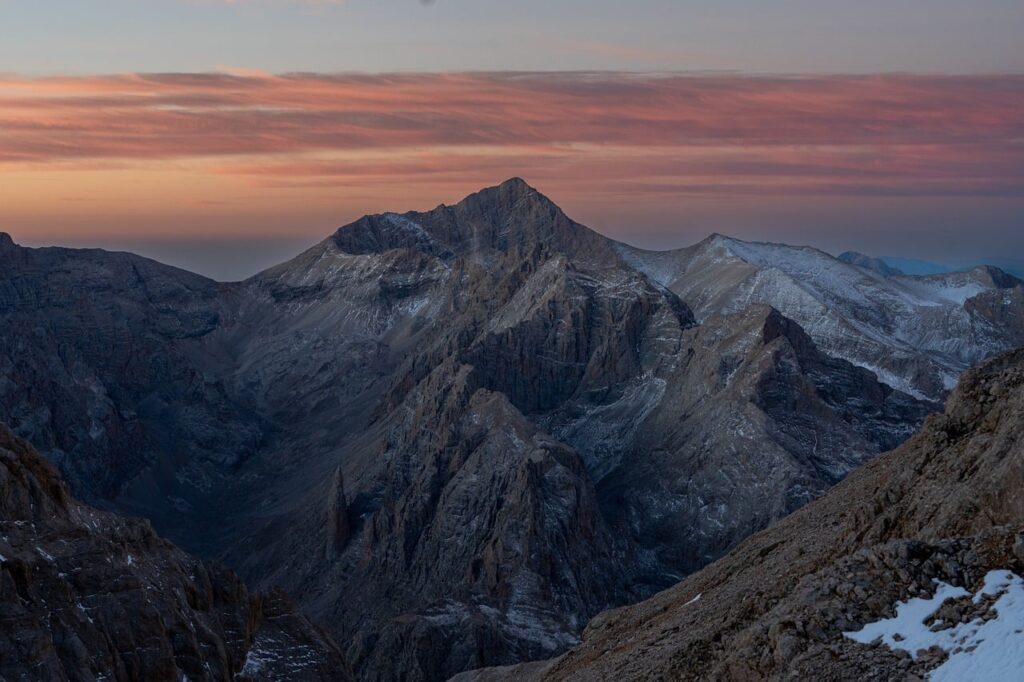
Hasankeyf is one of the most dramatic sites in Turkey: an ancient town wrapped around a bend of the Tigris, with a citadel on a cliff, a great stone bridge in ruins, and cave dwellings carved into the river cliffs. The town has been inhabited for thousands of years, and its history runs from the ancient kingdoms to the Ottomans.
The site is changing. A major dam project has raised the river’s waters, and parts of the old town have been relocated to a new settlement above. The citadel and the cliffside sites remain, and the new town preserves the spirit of the old, but the landscape of the gorge has been transformed.
Hasankeyf lies roughly two hours east of Diyarbakir. The visit combines the ruins, the cliffs, and the river views, and the story of the town’s relocation adds a contemporary layer to the history. It is a full day, and it is among the most memorable trips in the region.
Midyat and the Stone Villages
Midyat is the historic heart of the Syriac Christian community of the southeast, and its old town is built from the same honey-colored stone as Mardin. The lanes are lined with the carved houses and churches of a community that has lived here since the early centuries of Christianity.
The region around Midyat is dotted with abandoned stone villages, some of them ghost towns with a haunting beauty, and with the monasteries of the Syriac tradition. The most celebrated of these, a monastery complex of great age, sits in the countryside to the east of Midyat and is one of the most significant Christian sites in Turkey.
Midyat is about two hours from Diyarbakir, and the trip combines the town with the villages and the monastery sites. The road crosses beautiful country, and the visit rewards travelers with an interest in the deep religious history of the region.

The Karacadag Volcano Region
Karacadag is the great extinct volcano that rises to the west of Diyarbakir, a dark mountain that dominates the horizon on clear days. Its slopes are covered in basalt, the same stone that built the city walls, and the region around it is a landscape of black rock and open sky.
The volcanic highlands are also of extraordinary archaeological interest. This is the region where the earliest cultivation of wheat has been traced, and the ancient sites of the area are part of the story of how farming began in the Fertile Crescent. The museums of the region tell that story well.
The trip up the volcano requires a vehicle and a clear day, and the reward is the view across the plain, with Diyarbakir and the Tigris valley spread below. The basalt landscape is otherworldly, and the region is one of the least visited corners of the southeast.
Egil and the Roman Bridge
Egil is a small town on the upper Tigris, roughly an hour from Diyarbakir, and it is the gateway to a genuinely surprising site: a Roman-period bridge that spans the river gorge, its arches still standing after nearly two thousand years. The bridge is one of the most impressive Roman survivals in the region.
The town itself is pleasant, with its riverside setting and its castle ruins on the hill, and the lake formed by the river has become a focus of local leisure. The boat trips on the lake offer views of the cliffs and the ancient remains from the water.
Egil is an easy half-day or full-day trip, depending on how long you linger at the water. It combines archaeology, landscape, and a very local feel, and it is the kind of place that stays in the memory out of proportion to its fame.

The Cehennem Deresi Gorge
The Cehennem Deresi, the valley of hell, is a deep gorge carved by a small river into the limestone to the south of Diyarbakir. The walls of the gorge rise sheer on either side, and the water runs green through the shadows below. It is a wild, beautiful landscape, far from any itinerary.
The gorge is best known for the ancient rock-cut tombs and caves that line its walls, a reminder of the civilizations that used the valley over the millennia. The walk along the gorge floor is the heart of the visit, and the natural amphitheaters and springs add to the drama.
The gorge lies within reach of a half-day trip from Diyarbakir, and it suits travelers who like their sightseeing off the beaten path. A guide or a local driver is recommended, because the gorge is not signposted for visitors.
Zerzevan Castle
Zerzevan Castle is a Roman frontier fortress perched on a ridge south of Diyarbakir, and it is one of the most atmospheric sites in the region. The walls and buildings of the fortress stand above the plain, and the excavations have revealed barracks, a palace, and most remarkably, an underground temple of the mystery cult of Mithras.
The temple, carved and built below the surface, is the site’s great treasure, and it is the only structure of its kind found in the eastern provinces of the Roman Empire. The views from the castle walls across the plain are superb, and the site is only lightly visited.
Zerzevan is an easy hour from Diyarbakir by road, and it combines easily with other stops in the area. The castle, the temple, and the landscape make it one of the best archaeological day trips in the region.

Practical Tips for Day Trippers
Plan each trip the night before. Confirm the transport, the road conditions, and the destination’s opening hours, and carry cash, because the small sites and village restaurants do not take cards. Water and sun protection are essential in the warm months.
The region’s distances are real, so build in buffer time and keep the itinerary to one main destination per day. The road between the towns is part of the experience, and the tea stops along the way are part of the culture.
Finally, be flexible. The southeast is a region where plans change with the weather, the roadworks, and the local rhythms. The traveler who treats the day trip as an adventure rather than a schedule will come home with the best stories.
Combining Trips: The Two-Day Extension
The day trips above each work as a single day, but the region rewards travelers who link two destinations into an overnight circuit. The classic combination is Mardin and Midyat, which lie on the same road and share the golden-stone architecture and the Syriac heritage; a night in Mardin turns a rushed day into a relaxed two-day loop.
Hasankeyf also combines naturally with the countryside to its east, and Zerzevan fits into a longer itinerary with the towns of the plain. The hotels of Mardin are the obvious overnight base, and the guesthouses of Midyat offer a quieter alternative.
An overnight extension is also a practical answer to the region’s distances. The two-hour roads become comfortable rather than tiring, the early morning light at each site is yours, and the evenings in the old towns, with their terraces and their tea, are among the best the southeast offers.
Frequently asked questions
What is the best day trip from Diyarbakir?
Mardin is the most rewarding day trip, with its golden old town, its views over the Mesopotamian plain, and its rich religious history. Hasankeyf on the Tigris is the most dramatic, and Midyat and its monasteries appeal to travelers interested in the Syriac heritage.
Are day trips from Diyarbakir easy to organize?
Yes, with planning. The closer towns have minibus connections, and shared taxis or hired cars with drivers cover the more distant sites. Arrange transport the day before, start early, and check the current situation on the road, and the trips run smoothly.
Is it safe to do day trips in the region?
The main tourist destinations in the region are safe for visitors, with the normal precautions. The situation can change locally, so it is wise to check current travel advice and ask locally before setting out. The tourism office and your hotel are the best sources of up-to-date information.

All Over Information
The All Over Information editorial team researches and writes practical English-language guides to Turkey. Facts are checked against official and local sources before publication, prices are published as dated ranges rather than quotes, and guides are revised when things change. We accept no sponsored posts, paid placements or paid links.
More guides like this
Diyarbakir on a Budget: Money-Saving Travel Tips
Diyarbakir is one of the best-value destinations in Turkey, and a traveler with a tight budget can do very well here.

History and Culture of Diyarbakir
Diyarbakir is one of the oldest continuously inhabited cities in the world, a settlement on the banks of the Tigris that has…
Best Time of Year to Visit Diyarbakir
Diyarbakir is a city of four distinct seasons, and each one changes the character of the visit.

Diyarbakir Airport and Transport Guide
Diyarbakir is a compact city, and the transport picture is refreshingly simple: a small, efficient airport close to the center, a walkable…

Diyarbakir in Summer: A Complete Travel Guide
Summer in Diyarbakir is a study in extremes. The heat of the Tigris valley is serious, with daytime temperatures that climb into…

Diyarbakir in Winter: What to Expect
Winter is Diyarbakir's quiet season, and for the right traveler it is the best time to come.