Each spring, the cherry orchards of Turkey burst into flower, and the hillsides of the west and the valleys of the interior turn white and pink in a brief, brilliant display. The season is more than a natural spectacle: it is woven into the history, the agriculture, and the culture of the regions where the cherry has been grown for centuries. Turkey is one of the world’s great cherry lands, and the blossom time carries meanings that reach from the orchard to the table. This guide explores the history of the cherry in Anatolia and the meaning of its spring flowering.
The Cherry in Anatolian History
The cherry has a long history in Anatolia, the region that is now Turkey. The lands of the eastern Mediterranean and the Black Sea are considered among the original homes of the wild cherry, and the fruit has been gathered here since ancient times.
The cultivation of the cherry spread from these regions across the ancient world, and the fruit was known and valued in the civilisations of Anatolia, from the Hittites onward. The orchards of the region have a pedigree measured in millennia.
The Roman world knew the cherry well, and its spread across Europe is traditionally linked to the campaigns of the Roman armies, which carried the trees from the east. Anatolia was the source of this great journey.
For the people of the region, the cherry has been a constant companion through the centuries, and the spring flowering has always marked the turning of the year in the orchard country.
The Cherry Lands of Turkey
Turkey’s cherry orchards lie in the regions where the climate and the soil suit the fruit best. The western lands of the Aegean, with their mild winters and fertile valleys, are among the principal cherry country.
The high valleys of the interior, where the cool nights suit the fruit, produce cherries of particular quality, and these regions have built their identity around the crop. The fruit of the highlands is prized across the country.
The coastal districts and the regions along the sea also grow cherries, and the fruit travels from the orchards to the markets of the whole country. Turkey is among the largest producers of cherries in the world.
Each region has its own varieties, its own timing, and its own traditions, and the diversity is part of the fruit’s richness. The cherry is a thread that runs through the whole country.
The arrival of the blossom also shapes the practical life of the orchard country. Beekeepers move their hives to the flowering orchards, the farmers prepare the ground for the season, and the markets begin to fill with the produce of the spring. The whole economy of the region turns with the flowering of the trees.

The Blossom and the Season
The blossom marks the beginning of the cherry’s yearly cycle, the moment when the trees flower before the fruit sets. In the orchard country, the flowering is watched with an attention that spans the season.
The timing of the blossom is a matter of great practical importance. The flowering is the first sign of the crop, and the farmers read the season in the blossoms, the bees, and the weather.
The blossom is also the great spectacle of the orchard year, and the brief flowering draws the people of the region into the countryside. The hillsides in flower are a sight the whole country knows.
The season has its own rhythm, moving from the first flowers of the coast to the late blossoms of the high valleys. The spring belongs to the cherry.
The Cherry in the Kitchen
The cherry has a central place in the Turkish kitchen, and the fruit appears in countless forms across the seasons. The fresh cherries of the early summer are eaten by the handful from the markets.
The fruit is also preserved and transformed. Cherries are dried, jammed, and bottled, and the sour varieties are used in sauces and dishes that balance the sweetness of the region’s cooking.
The sour cherry is a particular favourite, used in drinks, desserts, and the delicate dishes of the Ottoman tradition. The kitchens of the cherry country know a hundred ways with the fruit.
The food of the spring season, from the first vegetables to the first fruits, is celebrated in the markets and the homes of the region, and the cherry holds a special place in it.
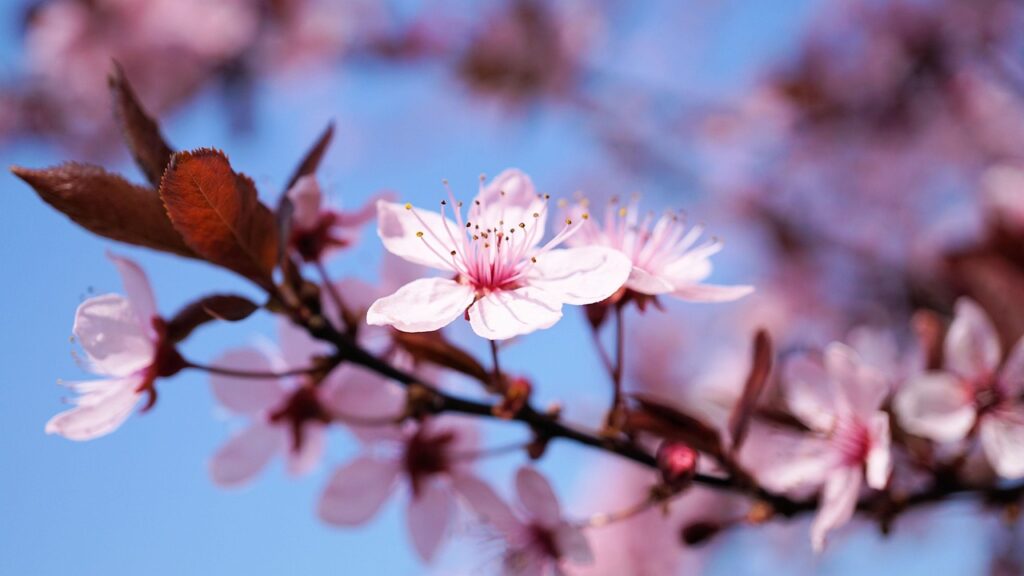
The meaning of the season also belongs to the wider landscape of Anatolian spring, when the whole country is waking from the winter. The cherry blossom joins the almonds and the plums in the great flowering of the orchards, and together they paint the countryside in the colours of the season.
The Festivals of the Cherry
The cherry regions hold festivals through the spring and summer, and these are among the most cherished local celebrations of the Turkish countryside. The festivals mark the stages of the cherry year.
The most famous is the cherry festival of the Manisa region, held to celebrate the harvest of the fruit. The festival brings together music, dancing, local food, and the fruit itself, and it draws crowds from across the country.
The festivals are community occasions, and they carry the meaning of the season: the gratitude for the harvest, the pride of the region, and the joy of the spring. They are the public face of the orchard country.
For the regions that host them, the festivals are also an opportunity to share the fruit and the culture with visitors, and the welcome is generous.
The Meaning of the Blossom
The blossom carries meanings that go beyond the agricultural. In the orchard country, the flowering is a symbol of renewal, the proof that the winter is truly over and the year has turned.
The briefness of the blossom gives it a particular poignancy. The flowers last only days, and their passing is a reminder of the swiftness of the seasons, and of the pleasures that must be seized.
For the farmers, the blossom is a time of hope and of vigilance, the moment when the promise of the harvest is made. The beauty of the trees and the anxiety of the season go hand in hand.
The blossom is also a social season, a time when the countryside draws its people out, and the hillsides in flower are shared by the whole community.
The Cherry in Poetry and Memory
The cherry has a place in the poetry and the memory of the region. The blossom is a recurring image in Turkish verse, standing for spring, for youth, and for the passing of time.
The orchards are part of the memory of childhood for generations of Turks, and the first cherries of the season carry a charge of nostalgia. The taste of the fruit is the taste of the spring.
The cherry also appears in the sayings and the proverbs of the countryside, and the fruit is woven into the everyday speech of the region. The tree is part of the language itself.
For the visitor, this cultural depth adds a layer to the beauty of the blossom. The hillsides in flower carry the memories and the meanings of the people who have lived among them.
The Modern Cherry Country
The cherry industry of modern Turkey is large and growing, and the fruit is a significant part of the country’s agriculture. The orchards are productive, and the export of Turkish cherries has spread the fruit around the world.
The modern orchards stand alongside the old ones, and the traditions of the countryside persist beside the new methods. The cherry country is a place where the old and the new grow side by side.
The festivals and the markets continue, and the spring season still draws the people into the orchards. The modern world has not diminished the meaning of the blossom.
For the regions that grow the fruit, the cherry remains a source of identity and pride, and the spring flowering is still the great moment of the year.
The Season as Shared Experience
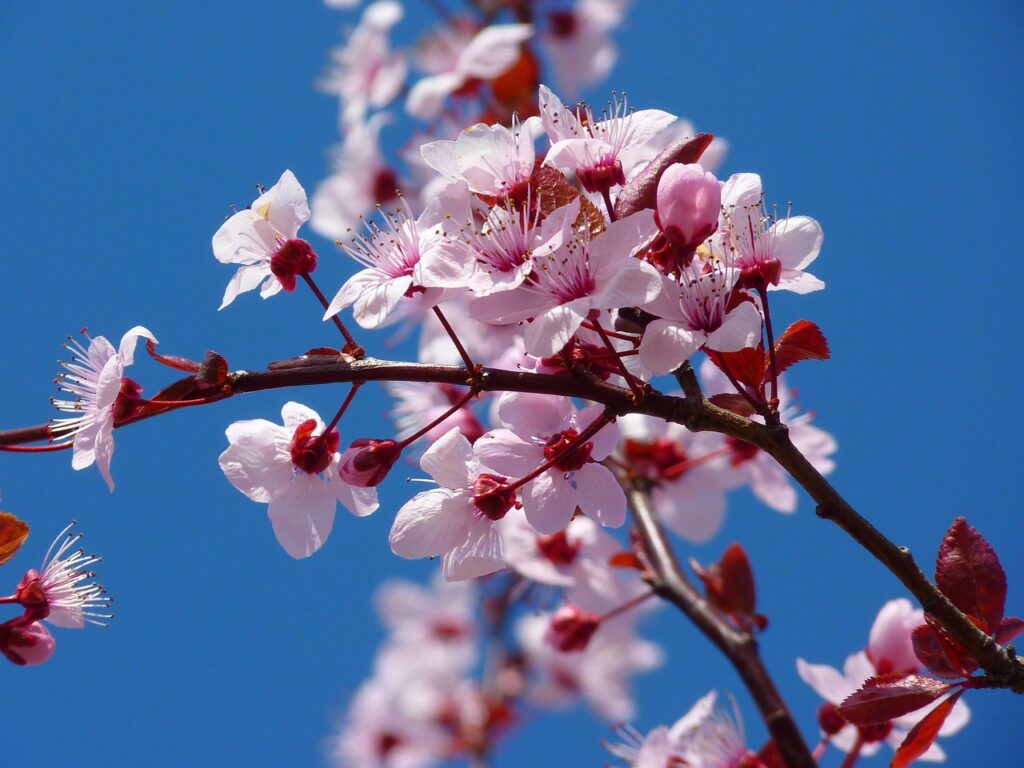
The blossom season is above all a shared experience. The flowering lasts only days, and the whole region comes out to see it, to walk among the trees, and to mark the turn of the year.
The season is also shared between the country and its visitors. The travellers who come for the blossom join the local people in the orchards, and the encounter is part of the season’s meaning.
The shared experience extends to the table. The first cherries, the festival meals, and the hospitality of the orchard country all belong to the season, and the visitor shares in them.
The blossom season, in the end, is a celebration of a tree and a fruit that have been part of Anatolian life for thousands of years, and the celebration is open to all who come.
Frequently asked questions
How old is the cherry tradition in Anatolia?
The cherry has grown in Anatolia since ancient times, and the region is considered one of the original homes of the wild cherry. The fruit was cultivated by the ancient civilisations of the land, and the orchards of the region have a history measured in millennia.
Why is the blossom important to the cherry regions?
The blossom marks the beginning of the cherry year and is the first sign of the coming harvest, so farmers read the season in the flowering. It is also the great spectacle of the orchard country and a symbol of spring and renewal for the whole community.
What role do festivals play in the season?
The cherry festivals of the region celebrate the harvest and bring together music, food, and the fruit itself. They are community occasions that express the gratitude and pride of the orchard country, and they are open to visitors.

All Over Information
The All Over Information editorial team researches and writes practical English-language guides to Turkey. Facts are checked against official and local sources before publication, prices are published as dated ranges rather than quotes, and guides are revised when things change. We accept no sponsored posts, paid placements or paid links.
More guides like this

The History and Meaning of the Istanbul Film Festival
The Istanbul Film Festival has grown from a small cinematic gathering into one of the most important cultural events in Turkey and…

Experiencing Nowruz in Eastern Turkey as a Foreign Visitor
Every spring, as the snows begin to melt in the mountains of eastern Turkey, the region comes alive with the oldest celebration…

When and Where to See the International Izmir Festival
The International Izmir Festival offers a summer of music on the Aegean coast, and seeing it is a matter of good planning.

The History and Meaning of Nowruz in Eastern Turkey
Nowruz is one of the oldest living festivals in the world, a celebration of the spring equinox that has been observed for…
The History and Meaning of the Istanbul Biennial
The Istanbul Biennial is one of the most significant contemporary art events in the world, a vast exhibition that transforms the city…

The History and Meaning of Ramadan in Turkey
Ramadan is the holiest month of the Islamic year, and in Turkey it carries a history as deep as the country itself.