Borek is the dish that answers what Turks eat when they want comfort, celebration, and a full table all at once. It is a family of baked pastries built from impossibly thin layers of dough wrapped around cheese, spinach, potato, or spiced meat, and it appears at breakfast, lunch, dinner, and every gathering in between. Learning borek means learning a whole genre rather than a single recipe. This guide gives you the full map: the doughs, the fillings, the famous regional styles, and the best places in Turkey to taste them all.
What Is Borek
Borek (börek in Turkish) is a baked pastry made from yufka, the paper-thin Turkish sheet dough, layered or rolled around a savory filling and cooked until deep golden. The name covers an enormous family: flat layered pies, coiled spirals, cigar-shaped rolls, and small triangular pastries all qualify.
The word comes from a Turkic root meaning to fold or twist, and that motion is the heart of the craft. Wherever Turkish cooks traveled, the folded pastry traveled with them, and today similar pastries appear across the Balkans, the Middle East, and Central Asia.
What makes borek unmistakably Turkish is the balance of textures: a crackling crisp exterior, a soft and slightly chewy interior, and a filling that is generous without overwhelming the pastry. It is savory comfort food with a technical side, and every region defends its own version.
The Essential Ingredients
At its simplest, borek needs just three things: dough, fat, and a filling. Yufka is the classic base, though many home cooks and bakeries use commercial phyllo, and some regional styles start from a soft, slightly leavened dough instead.
The fat is crucial. Melted butter, or a butter-and-oil blend, is brushed between every layer. This is what produces the flaky crust and keeps the layers separate as the borek bakes. Skip this step and the pastry turns dense and dry.
The filling is where the variety lives. Beyaz peynir, the salty white cheese of Turkey, is the most classic choice, often mixed with chopped parsley. Spinach, potato, and minced meat complete the big four, while zucchini, eggplant, and mushrooms appear in modern kitchens.
Eggs, milk, and yogurt also play supporting roles, either in a soaking liquid poured over certain styles or brushed on top for a glossy finish. A pinch of black pepper, red pepper flakes, or sumac lifts most savory fillings.

The Dough: Yufka and Phyllo
Yufka is the traditional Turkish sheet dough, rolled so thin that the worktop shows through it. Skilled makers stretch a ball of flour-and-water dough into a sheet large enough to cover a table, using only a long rolling pin and years of practice.
Phyllo, sold in paper-thin commercial sheets, is found in every Turkish supermarket. Store-bought phyllo makes borek achievable at home, and most everyday borek is made with it.
The distinction matters for texture. Hand-rolled yufka is slightly thicker and more rustic, giving a chewier bite. Commercial phyllo is finer and crisper, which is why pastry shops favor it for delicate shapes.
Either way, the sheets must stay covered with a damp cloth while you work, because they dry out in minutes. The moment the edges begin to crack, the layers will tear during assembly.
How Borek Is Made
The assembly follows a simple rhythm: prepare the filling, brush a sheet of dough with melted butter, add the filling, and build the shape you want.
For a tray borek, the sheets are layered in a baking pan with filling spread between them, topped with a last buttered sheet, and scored into portions before baking. Many recipes pour a mixture of eggs, milk, and yogurt over the top and let it soak in.
For rolled shapes like kol boregi, the filling is spread along one edge of a long sheet, which is rolled into a rope and coiled into a spiral, ensuring even baking and a beautiful presentation.
Baking temperatures vary, but the goal is always the same: a deep golden crust with visible separate layers. Some boreks are baked, some are fried, and a few are cooked on a griddle. All should rest a few minutes before cutting so the layers set.
The Classic Fillings: Cheese, Spinach, Potato, Meat
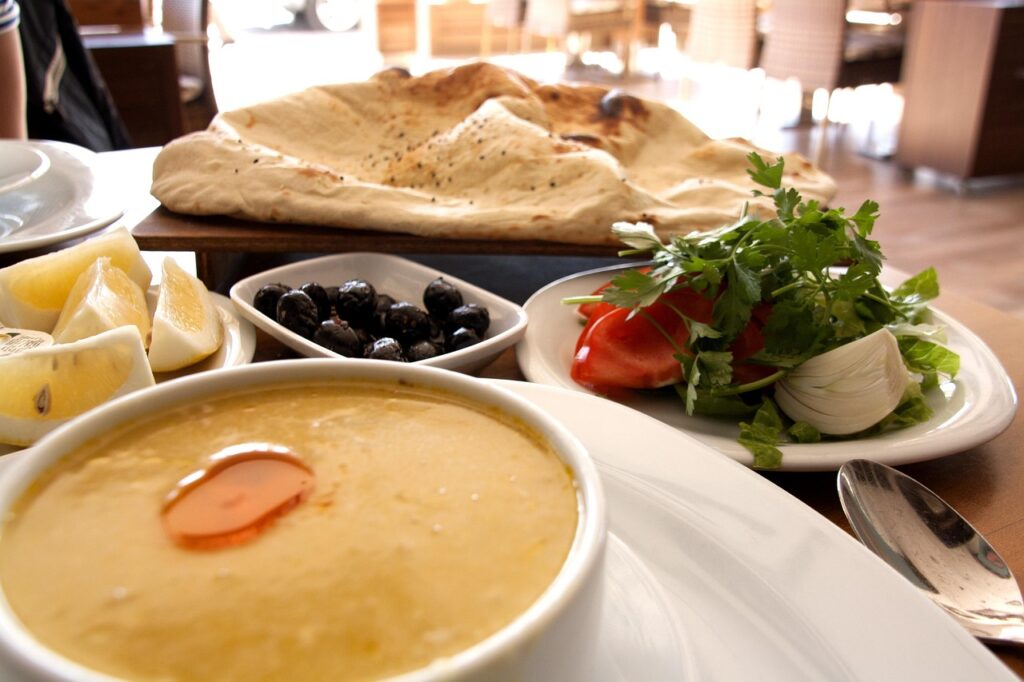
The cheese filling is the benchmark. Crumbled beyaz peynir, sometimes mixed with a handful of chopped parsley or a little grated kasar cheese, gives the creamy, salty heart most Turks picture when they hear the word borek.
Spinach borek, ispanakli borek, is the vegetarian favorite, made by wilting spinach, draining it well, and combining it with cheese or onion. The trick is squeezing out the moisture so the pastry stays crisp.
Potato borek, patatesli borek, seasons mashed potato with onion, pepper, and spices, and is the comforting, filling version popular at breakfast and snack time.
Meat borek, kiymali borek, uses seasoned minced beef or lamb, cooked with onion and spices before being wrapped. The meat is always pre-cooked, so the pastry bakes through without drying.
Su Boregi: The Water Borek
Su boregi is the most labor-intensive and most beloved member of the family. Its name means water borek, and it refers to the boiling step that sets it apart from every other style.
The dough is rolled into large thin sheets, boiled briefly in salted water, drained, and then layered in a pan with butter, cheese, and sometimes minced meat or parsley. The boiled sheets turn tender and almost silky, while the edges become delightfully crisp in the oven.
Making su boregi at home is a morning-long project, which is why it is reserved for special occasions and for the börekçi, the specialist shops that make it fresh daily.
When you taste a well-made su boregi, you understand the devotion: the layers separate with a gentle pull, the filling is molten and salty, and the top crackles. It is widely considered the crown of Turkish pastry.

Sigara Boregi and the Snack Classics
Sigara boregi, or cigarette borek, is the fried cousin: thin sheets of phyllo rolled around cheese into slim cylinders and deep-fried until golden. The name comes from the shape, and the result is the essential meze-house snack.
At the meyhane, sigara boregi arrives hot with a squeeze of lemon, the crisp shell giving way to molten white cheese. It is also a staple of street food and breakfast tables.
Other classics include muska boregi, folded into small triangles, and kol boregi, the arm-shaped coiled roll. Both use the same principle: buttered phyllo around a filling, baked or fried until shatteringly crisp.
These small formats are the ones that travel well, which is why they dominate bakery display cases. Ordering a few with a glass of tea is one of the great small pleasures of a Turkish afternoon.
Regional Variations Across Turkey
Every region brings something of its own to the borek table. In Istanbul, the börekçi tradition rules, with su boregi and cheese borek sold fresh from morning until night in specialist shops.
The Black Sea coast favors a richer, more rustic style, often baked in large trays with generous butter and served as a full meal. The eastern provinces lean toward meatier fillings and spicier seasoning.
In the western regions shaped by Balkan influence, borek often arrives as a long rolled loaf, cut into rounds to reveal the spiral of filling inside. The southern provinces add local cheeses and herbs.
Even the names change from place to place, but the idea is always recognizable: thin dough, savory filling, golden crust.

Where to Eat Borek in Turkey
The börekçi is the specialist shop devoted entirely to borek, and every Turkish city has at least one. Look for the shops with trays of golden pastry in the window and a line of locals at the counter.
In Istanbul, the historic districts are dense with pastry shops, and morning is the right time to go, when the trays are still warm from the oven. Ask for a portion of cheese borek or su boregi with a glass of tea, and eat it standing at the counter if there is no seat.
Smaller towns often do it even better, because the borek is made in small batches by families who have baked for generations. Bakeries across Turkey also sell borek by weight, wrapped in paper to take away.
The rule that serves travelers best is simple: follow the locals. If a pastry shop has a queue at breakfast time, the borek is fresh, and fresh is the entire game.
How to Serve and Enjoy Borek
Borek is served hot or warm, never straight from the fridge. At breakfast it sits beside olives, cheese, tomatoes, and tea; at lunch it can be the whole meal with a simple salad; and at dinner it often appears as a side.
A squeeze of lemon brightens the fried versions, while tray boreks need nothing more than a fork. Many Turks add a spoonful of yogurt, and some sprinkle red pepper flakes for heat.
Leftovers are rare, but if you have them, reheat in the oven, not the microwave; a few minutes at moderate heat brings back the crispness.
The drink of choice is always Turkish tea, strong and served in a tulip glass. The combination of salty pastry and astringent tea is a pairing Turks have perfected over centuries, and it is the closest thing the cuisine has to a national snack ritual.
Frequently asked questions
How is borek different from phyllo pastry?
Borek is the finished dish, while phyllo is the thin dough used to make it. Borek is always filled and baked or fried, whereas phyllo is a raw ingredient used in many pastries, both sweet and savory. Think of borek as the destination and phyllo as the road: one is the assembled, cooked meal, and the other is the sheet of dough that makes it possible.
Can I make borek with store-bought phyllo?
Absolutely. Most home cooks in Turkey use commercial phyllo sheets for everyday borek. Keep the sheets covered with a damp cloth while you work, brush each layer generously with melted butter, and do not overfill. The results will be crisp and flaky, close to what the pastry shops produce, at a fraction of the work of rolling your own dough.
What is the most popular borek filling in Turkey?
The white cheese filling is the most popular overall, appearing in tray boreks, sigara boregi, and su boregi alike. Spinach and potato are close behind as everyday favorites, while minced meat is the special-occasion choice. Regional preferences shift things a little, but a cheese borek is the safe, beloved order anywhere in the country.

All Over Information
The All Over Information editorial team researches and writes practical English-language guides to Turkey. Facts are checked against official and local sources before publication, prices are published as dated ranges rather than quotes, and guides are revised when things change. We accept no sponsored posts, paid placements or paid links.
More guides like this

Turkish Breakfast Culture: Why It Takes Hours
If you sit down to a Turkish breakfast expecting a quick bowl of cereal, you are in for a surprise.

How to Make Authentic Gozleme at Home
Gozleme is the stuffed flatbread that follows you all over Turkey, from village breakfast tables to seaside teahouses where cooks roll, fill,…
Seasonal Fruits and Vegetables in Turkish Cuisine
Turkish cooking is defined by the seasons. The country's markets, kitchens, and tables all follow the rhythm of the harvest, and the…

Turkish Cheese Varieties You Should Try
Turkey has a cheese culture that most visitors barely discover.

How to Make Authentic Manti (Turkish Dumplings) at Home
Making manti at home is one of the most rewarding projects in Turkish cooking.
Kebab: A Taste of Turkish Culture
Few foods say more about Turkey than kebab. It is the smoke that rises from a hundred thousand grills, the warmth of…