In Turkey, borek is not merely food. It is a language of hospitality, a marker of morning, a memory of grandmothers, and a thread that ties the whole country together. From the pastry shops of Istanbul to the village ovens of Anatolia, the folded layers of thin dough speak of patience, generosity, and a culture that believes a guest should never leave hungry. To understand borek is to understand how Turks express care, and this article walks you through the cultural life of the dish.
More Than a Snack
Borek occupies a special place in the Turkish kitchen because it straddles every meal. It is light enough for breakfast, substantial enough for lunch, and welcome at dinner. It is served when guests arrive and packed for journeys. It appears in school lunches and at wedding tables.
The dish carries no formality of its own, which is exactly its genius. You do not need a special occasion to eat borek, but a tray of borek instantly makes any occasion feel special. It is the food that never needs an excuse.
This flexibility has made borek a shared language across regions and generations. A cheese borek in one home resembles a cheese borek in another, yet every cook adds a personal twist, so the dish stays familiar without ever becoming identical.
The Morning Ritual
For millions of Turks, the day begins with the börekçi, the pastry shop that opens before sunrise and sells borek warm from the oven. The morning queue is a social ritual in itself, with regulars greeted by name and orders shouted across the counter.
Breakfast borek is most often filled with cheese or potato, served with a glass of strong black tea. It is the quick breakfast for people heading to work, and the slow breakfast for those who linger over the paper.
The börekçi anchors neighborhood life. It is where neighbors exchange news, where children stop on the way to school, and where visitors are sent for a taste of local life. In many towns, the pastry shop matters as much as the mosque and the market.

The Family Table
At home, borek belongs to the hands of the women of the house, passed down through generations. Grandmothers teach daughters, and daughters teach granddaughters, with measurements learned by eye and texture judged by touch.
A tray borek at home is rarely made for the family alone. It is made for the guest who is coming, for the neighbor who has helped, or for the relative who has traveled far. The effort of rolling and layering is itself a statement of welcome.
The kitchen smells on borek day are among the most nostalgic in Turkish memory: butter melting, dough toasting, and cheese warming. Many adults describe the smell of borek as the smell of their childhood homes.
Borek and Hospitality
Turkish hospitality has one golden rule: a guest must be fed. Borek is one of the first foods to appear when the rule is invoked, because it is beloved, filling, and can be prepared in advance.
When you visit a Turkish home, the tray of borek may arrive within minutes of your arrival, still warm, cut into generous squares. Refusing is difficult and often unsuccessful, because the offering is as much about respect as about food.
The custom extends beyond homes. In workplaces, a borek tray marks a promotion or a farewell. In villages, fresh borek is sent to new neighbors and new mothers. The pastry has become the standard currency of kindness.
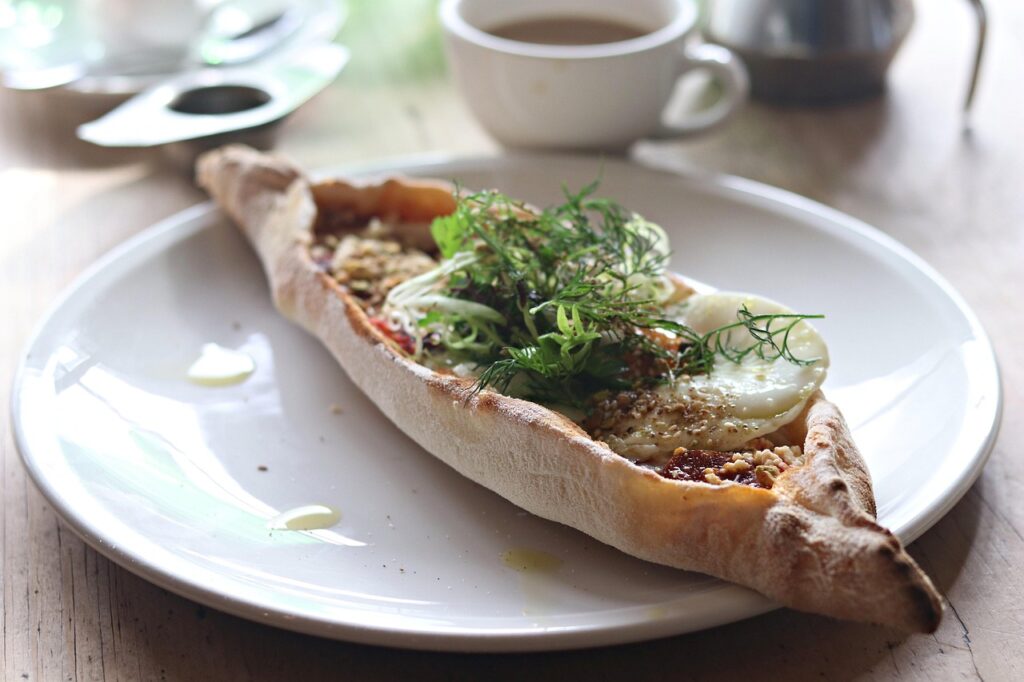
The Street and the Bakery
Beyond the börekçi, borek lives on the street and in the ordinary bakery. The firin, the neighborhood bakery, bakes trays of borek alongside its bread and sells them by weight, wrapped in paper.
Street vendors sell sigara boregi from small carts, and ferry terminals have pastry counters where commuters grab a cheese roll with their morning tea. The portability of small borek shapes has made them the perfect travel food.
Every Turkish bus station, every market day, and every roadside stop seems to sell borek in some form. It is the food of movement, of people on their way somewhere, sustaining them until they arrive.
Celebrations and Special Days
While borek is everyday food, certain occasions demand it. Su boregi, the water borek, is reserved for the important moments: engagement visits, bayram mornings, and the gatherings that call for the finest the kitchen can offer.
During the month of Ramadan, borek appears at iftar tables across the country, filling the hunger of the day with buttery layers. At bayram, trays of borek circulate between houses alongside the sweets.
Wedding preparations often involve hours of borek making, with women of the family and neighborhood gathering to roll and fill. The shared labor turns the pastry into a symbol of community as much as a meal.

Regional Identity
Borek also carries regional identity. In Istanbul, the refined su boregi of the pastry shops represents the city’s Ottoman inheritance. On the Black Sea coast, the butter-heavy tray boreks reflect a cuisine built on dairy.
The western provinces, shaped by Balkan exchange, favor long rolled boreks that are sliced into spirals. The east leans toward meat and spice. Ask any Turk about the best borek and you will hear about the style of their home region.
These variations are a point of pride and friendly argument. The debate over the correct borek is really a debate about identity, about whose grandmother’s method deserves the crown.
In Memory and Literature
Borek has a place in Turkish memory and letters. Travel writers describe the pastry shops of the old city, and memoirists recall the borek of their childhoods with a tenderness reserved for few foods.
The dish appears in sayings and everyday expressions. To do something easily is to do it like borek, and the phrase for taking a share is wrapped up in the image of the pastry being divided at the table.
This presence in language shows how deeply the food is woven into daily thought. Borek is not an occasional dish mentioned now and then; it is part of the vocabulary of Turkish life itself.

The Art Passed On
The survival of borek depends on hands, not machines. While commercial phyllo has made the dish easier, the craft of rolling yufka by hand is still taught and honored, and the finest su boregi remains a handmade thing.
Young cooks learn the rhythm: the damp cloth over the sheets, the butter brush, the gentle roll. The patience required is itself a lesson in Turkish attitudes toward food, where haste is the enemy of quality.
Cooking schools and pastry courses now teach borek to a new generation, and families still gather for borek days. The art passes on, changing a little with each pair of hands, but never losing its essential character.
A Slice of Daily Life
Ultimately, borek is a slice of Turkish daily life, folded and baked. It is in the morning rush, the afternoon tea, the guest visit, and the celebration. It is the food of continuity in a country of rapid change.
For the visitor, sharing borek is the quickest route into that daily life. Sitting in a pastry shop with a warm slice and a glass of tea, you are not just eating; you are taking part in a ritual that has connected Turkish people for centuries.
That is the true taste of borek: not just flour, butter, and cheese, but the whole culture that folds them together.
No account of borek culture is complete without its constant companion: Turkish tea. The pairing is so automatic that ordering borek without tea feels incomplete, and tea without borek feels like a missed opportunity.
The ritual goes like this: a tray of warm pastry, a tulip glass of deep amber cay, and time to talk. The saltiness of the cheese and the butter of the layers meet the slight bitterness of the tea, and the two balance each other perfectly.
This partnership runs through every setting where borek appears. In the pastry shop, the tea urn is never far from the counter. In homes, the caydanlik starts bubbling the moment the borek goes into the oven. In tea gardens, the borek tray makes the visit a meal.
Visitors quickly learn the rhythm. Order borek, order tea, and the afternoon arranges itself. The pairing is so central to the experience that many Turks consider the food and the drink two halves of a single pleasure.
For travelers, the best way to understand borek culture is to join it. Start the day at a local börekçi, order whatever looks freshest, and watch how regulars order their tea. Do not rush; the morning queue is part of the experience.
Accept every borek that is offered to you, because the offering is hospitality itself. In homes, eat with your hands if your hosts do, and take a second piece when pressed, because pressing is part of the ritual too.
Buying borek to take home is another tradition. Bakeries wrap portions in paper, and they travel well in a day bag, making them the perfect picnic food for parks, ferry rides, and long bus journeys.
Learn a few words of the language of the counter. Ask for peynirli for cheese, ispanakli for spinach, and kiyamali for meat. The effort is appreciated, and the reward is a warm slice and a seat at the culture’s most welcoming table.
Frequently asked questions
Why is borek so important in Turkish culture?
Borek is important because it is both everyday and ceremonial. It feeds the family at breakfast, welcomes guests at any hour, and appears at engagements, bayrams, and weddings. Because it is made with care and shared generously, it has become the standard expression of Turkish hospitality, a food that says welcome without needing words.
What makes the pastry shop special in Turkish towns?
The börekçi anchors daily life the way a market does. It opens early, sells borek warm from the oven, and becomes a meeting point for the neighborhood. Regulars are known by name, news is exchanged at the counter, and the shop supplies the community’s breakfasts, gifts, and celebrations all at once.
Is borek served on special occasions only?
No, borek is an everyday food, but certain versions are saved for special occasions. Su boregi, the water borek, is the elaborate one, made for engagement visits and bayram. Ordinary cheese, potato, and spinach boreks appear daily, which is exactly why the dish can carry both the routine and the celebration of Turkish life.

All Over Information
The All Over Information editorial team researches and writes practical English-language guides to Turkey. Facts are checked against official and local sources before publication, prices are published as dated ranges rather than quotes, and guides are revised when things change. We accept no sponsored posts, paid placements or paid links.
More guides like this

The History Behind Lahmacun
Lahmacun is a dish with a name that speaks of distant origins. The word comes from the Arabic for dough and meat,…

Turkish Breakfast Culture: Why It Takes Hours
If you sit down to a Turkish breakfast expecting a quick bowl of cereal, you are in for a surprise.
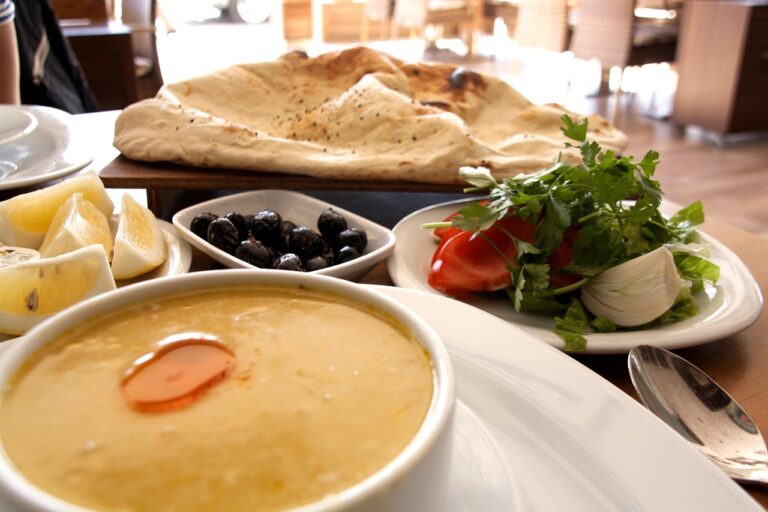
How to Make Authentic Turkish Pastries at Home
You do not need a wood-fired oven or a pastry shop's decades of experience to make good Turkish pastries at home.
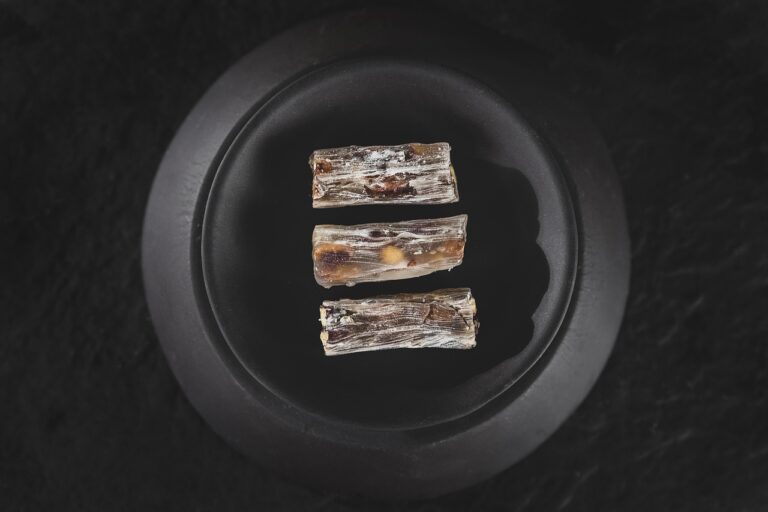
Where to Find the Best Turkish Delight (Lokum) in Turkey
Turkey is the homeland of lokum, and the country is full of sweet shops where the craft is practiced with devotion.
Where to Find the Best Kunefe in Turkey
Kunefe is made all over Turkey, but it is not made equally well everywhere. The dish belongs to the southeast, and the…
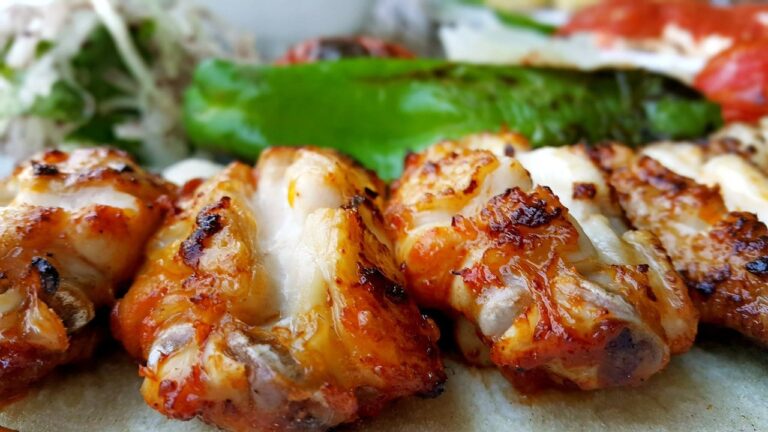
Urfa Kebab: A Taste of Turkish Culture
Food is the quickest way into a culture, and in Şanlıurfa no dish opens more doors than the kebab that bears the…