Buyukada, the largest of the Princes’ Islands, packs an extraordinary amount into a car-free landscape of pine hills and sea. Whether you have a single day or a long weekend, the island rewards a well-chosen list of experiences. This countdown covers the essential Buyukada, from the hilltop monastery to the quiet coves, and it is ordered so that each entry builds on the last. Use it as your planning checklist, adjust the order to the weather, and leave room for the spontaneous detours that make island days memorable.
Climb to the Monastery of St George
The monastery of St George is the island’s most iconic destination, perched on one of the highest hills and reached by a winding path through pine forest. The walk from town takes about an hour and climbs steadily, but the reward is a courtyard, a chapel, and one of the great viewpoints of the Marmara.
On a clear day the view takes in the whole chain of the Princes’ Islands, the Asian shore of Istanbul, and far-off city towers. Visitors tie ribbons to the fence around the chapel, a local tradition of making wishes that gives the summit a colorful, hopeful character.
The path is lined with small stalls offering tea, snacks, and souvenirs, so you can rest on the way up. Go early in the morning for cooler air and quiet, or late in the afternoon for golden light over the sea.
Ride a Horse-Drawn Phaeton
The phaeton is the island’s traditional carriage, a horse-drawn vehicle that has carried visitors up these hills for generations. The carriages wait in a line at the harbor, and the classic journey takes you through the pine forest to the monastery or around the scenic routes of the island.
The ride is slow and musical, the hooves keeping time on the cobbles, and it gives you the island’s atmosphere from the inside. Set routes and published fares mean no negotiation; you simply agree on the destination and enjoy.
Many visitors choose the phaeton for at least one leg of their trip, especially with children or tired feet. Others prefer to walk or cycle and leave the carriages for the return downhill, which is a fine compromise.

Cycle the Island Circuit
The ring road around Buyukada is roughly eleven kilometers, and cycling it is the best way to understand the island’s scale. Flat along much of the coast and gentle through the forest, the circuit takes about an hour of easy riding, with endless reasons to stop.
Bicycle rental shops cluster near the harbor, and the bikes are simple, sturdy machines suited to the terrain. Ride clockwise or counterclockwise; the views are splendid in both directions, and the sea appears and disappears through the pines.
The southern shore is the wildest and most beautiful stretch, with open Marmara views and few buildings. Plan at least one stop for swimming, because the coves along the way are among the island’s best-kept secrets.
Swim at the Beaches
Swimming is central to the Buyukada experience, and the island offers a fine range of places to take the plunge. Organized beaches with cafes and changing rooms sit alongside simple rocky coves where you simply find a spot and jump in.
The water is clearest and warmest from late June through September, and the eastern and southern shores hold most of the beaches. Weekdays are peaceful even in high season, while summer weekends bring families from the city.
Bring water shoes, since most access is over stones, and a towel that dries quickly. The combination of pine forest behind you and open sea ahead makes even a short swim feel like a small holiday.
Lifeguards are present at the organized beaches in high season, but the wild coves are entirely on your own, so swim within your limits. The water deepens quickly off some rocks, and the currents around the island are generally gentle, yet common sense remains the best safety equipment.

Wander the Wooden Mansion Streets
The nineteenth-century wooden mansions of Nizam and Maden are Buyukada’s architectural heart. Built as summer homes for wealthy Istanbul families, they stand in rows of painted wood with bay windows, carved balconies, and gardens spilling over with fig trees and flowers.
Walk slowly and look upward, because the craftsmanship lives in the details: door frames, trim, and the proportions of a century ago. Many houses remain private homes; others have become guesthouses and restaurants that let you step inside the era.
The hillside streets reward early mornings and late afternoons, when the light catches the facades and the lanes are quiet. Every turn offers another facade worth a photograph.
Some of the grandest mansions now fly the flags of cultural associations, and on certain days their doors open for exhibitions and concerts. If you spot an open gate, step in with respect and curiosity; the interiors, with their high ceilings and painted panels, are as impressive as the facades.
Walk the Hiking Trails Through the Pines
Beyond the ring road, Buyukada’s interior is a network of footpaths through pine forest that covers much of the island. These trails connect the hilltops, the monastery, and the quiet neighborhoods, and they are the island at its most peaceful.
The paths are well worn and easy to follow, with shade for most of the route, and they reward the walker with views that the roads never show. The climb through the forest toward the monastery is the classic outing, but shorter loops from Maden are equally lovely.
Carry water and wear proper shoes, and you can spend a rewarding morning away from the crowds. The scent of the pines and the sound of the wind in the branches are the island’s oldest music.

Eat Fresh Fish at the Harbor
The harborfront is the island’s dining room, and fish is the star of the menu. Grilled or fried, served with meze, salad, and bread, the day’s catch is the standard evening meal, eaten with the water at your elbow.
The restaurants along the water have similar menus and similar views, so choose by atmosphere: busy and lively, or quiet and plain. Side streets off the harbor offer simpler kitchens where the islanders themselves eat, often at friendlier prices.
Breakfast is equally rewarding, with the classic spread of cheese, olives, eggs, tomatoes, and honey. And wherever you sit, the tea will be served in the traditional tulip glass.
Look for the small shops selling cheese, olives, and honey to take home, and the patisserie windows stacked with pastries. A mid-afternoon tea with a view of the harbor is a Buyukada ritual that needs no occasion, only time.
Visit the Churches and the Synagogue
Buyukada’s layered history is written in its places of worship. The island’s Greek Orthodox churches, with their domed silhouettes and painted interiors, recall the community that built the mansions, while the synagogue in the center of town remembers the Jewish families who summered here.
The churches are generally open for visits, and visitors are welcome as long as they are respectful. Each has its own character, from the grander structures in town to the tiny chapels hidden in the forest.
A quiet circuit of the religious buildings gives you a different map of the island, one drawn in faith and memory. It is history you can feel on the cobblestones.

Watch the Sunset from the Hills
As the day cools, the hills above the harbor become the best seats in the house. From the upper streets of Maden or the paths below the monastery, the sunset spreads across the Marmara, and the lights of Istanbul begin to flicker on the far shore.
The evening ferry schedule adds its own rhythm, with boats crossing the golden water like toys. It is a quiet, unhurried spectacle, and it costs nothing at all.
Find your spot early, bring a jacket for the breeze, and stay until the first stars appear. Few images of Istanbul will stay with you longer.
Take the Ferry Around the Islands
Finally, give the ferry itself a starring role. The boat from Istanbul threads its way between the Princes’ Islands, and sitting on deck is a sightseeing experience in its own right, with each island showing its distinct character before Buyukada.
On the return trip, choose the slower sailing that calls at the other islands, and watch Heybeliada, Burgazada, and Kinaliada slip past. The towers of Istanbul rise at the journey’s end like a return to the modern world.
It is a fitting finale: the water that made the island is also the water that lets you leave it, and the crossing is part of the memory.
In winter, the same routes run with fewer sailings, and the deck is too cold for lingering, but the islands seen from a warm window seat lose none of their melancholy beauty. Whichever season you travel, the crossing frames your whole visit.
Frequently asked questions
How much time do I need for these top ten experiences?
With a full day you can comfortably climb to the monastery, cycle the circuit, swim, and eat at the harbor. Two days allow you to add the walking trails, the churches, and the sunset without rushing. The list works as a menu, not a timetable, so choose according to your energy and the weather.
Do I need to book the phaeton in advance?
No. Phaetons wait at the harbor rank and depart as they fill, following set routes with published fares. In high summer there can be a short wait at peak times, but the carriages run regularly through the day. You can also hire one for a private tour at the rank.
What should I do first when I arrive?
Buy a map if you want one, then decide your order: the monastery is best climbed in the morning before the heat, while the beaches and the cycle circuit suit the afternoon. Whatever you choose, start with a slow look around the harbor, because the island’s pace is set from the moment you step off the ferry.

All Over Information
The All Over Information editorial team researches and writes practical English-language guides to Turkey. Facts are checked against official and local sources before publication, prices are published as dated ranges rather than quotes, and guides are revised when things change. We accept no sponsored posts, paid placements or paid links.
More guides like this
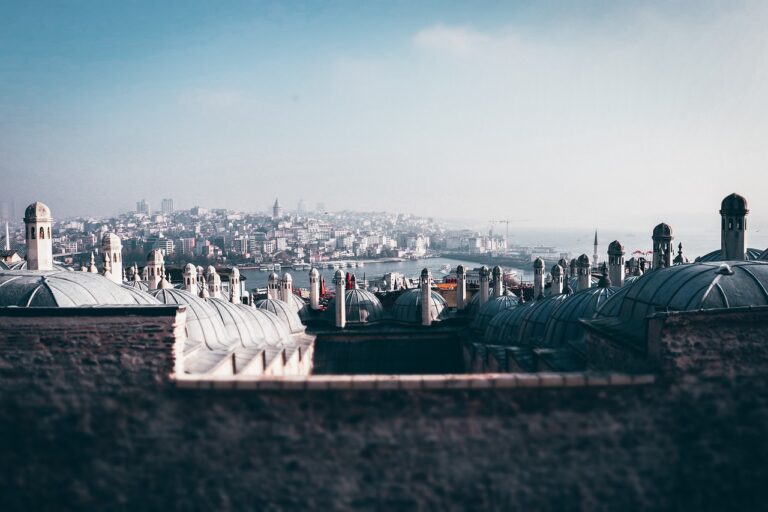
Best Time of Year to Visit Buyukada
Buyukada is an island of four distinct seasons, and each one changes the experience completely.
A Foodie’s Guide to Buyukada
For the traveler who plans trips around tables, Buyukada is a compact treasure chest.

How to Get to Buyukada from Istanbul
Reaching Buyukada is half the pleasure of visiting it, because the only way to arrive is by sea, and the crossing through…

48 Hours in Buyukada: The Perfect Itinerary
Two days on Buyukada is the ideal amount of time to experience the largest of the Princes' Islands properly.

Photography Spots in Buyukada You Can’t Miss
Buyukada is a photographer's island, and it cooperates with any lens and any level of skill.
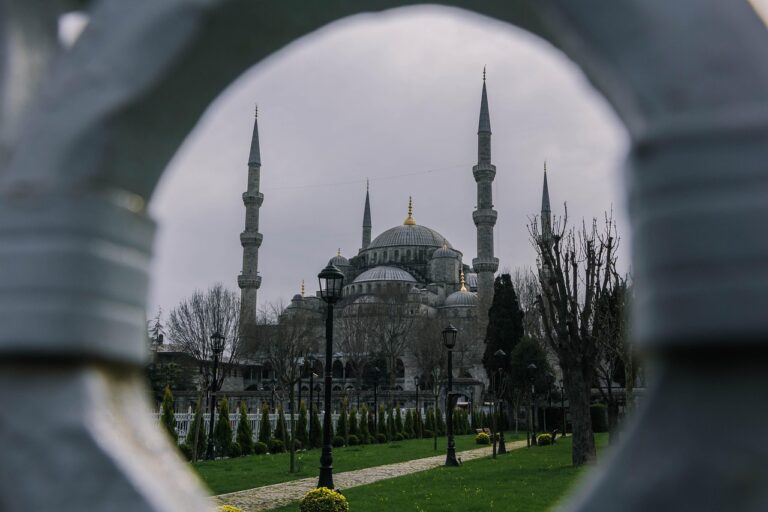
Buyukada in Summer: A Complete Travel Guide
Summer is Buyukada's season of full bloom.